Electric ferry won't fix Morocco markets' customs friction

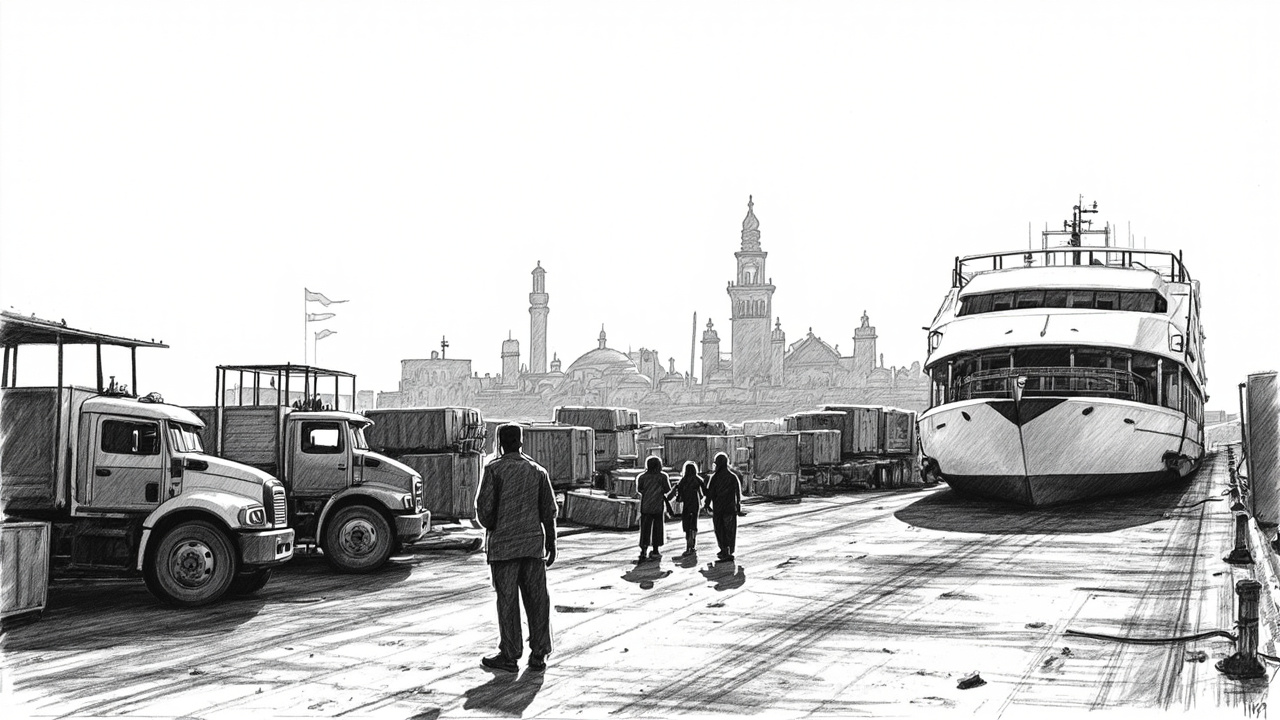
Balearia put its first fully electric fast ferry in the water on Sunday. From summer 2027 the Spanish operator plans to run it between Tangier and Tarifa, part of what it calls the first green maritime corridor between Europe and Africa. The engineering is the easy part. For anyone with Morocco markets exposure, the real question is whether the quay at either end can keep pace with a vessel that turns around faster than the paperwork does.
A Europe-Africa corridor, not an African one
Read the direction of the route. This links Spain to Morocco, two markets that already trade heavily. It does nothing for the friction that slows intra-African commerce: rules of origin enforcement, customs clearance delays, and payment settlement between African institutions. Morocco's exporters sell into Europe first. A cleaner Strait crossing consolidates an existing corridor rather than opening a new one.
This suggests a capital tilt. Green shipping finance is European, and it rewards routes with European endpoints. Expect decarbonization money to keep flowing to northbound links while intra-African corridors wait for comparable backing. The risk is that the continent's most visible green maritime project sits on the leg that needed it least.
Friction lives on shore
The binding constraint on the Tangier-Tarifa crossing is clearance, not horsepower. Declarations, certificates for perishable cargo, and bonded transit documents decide whether a consignment makes a sailing. A fast ferry runs a tight timetable by design. Miss the document window and the freight waits for the next crossing. The shipper absorbs that cost, not the shipping line.
Second-order effect: forwarders that pre-clear electronically and hold bonded space gain share from small road hauliers without back-office systems. Expect the green label to arrive with a rate premium. Electrification costs money and someone pays for it. Low-margin exporters will struggle to pass that premium to buyers in a way that premium perishables will not.
What to check before the first sailing
Does the charging infrastructure at both terminals arrive with the vessel, or after it? A ferry is only as green as the electricity behind it, and shore-side power projects slip.
Do customs working hours match the sailing schedule? Tight vessel turnaround makes every administrative delay visible, and a corridor that advertises speed will be judged on the queue behind the ramp.
Is this a passenger and car service or a freight one? Fast ferries tend to prioritize people over unaccompanied trailers. If that holds here, the cargo bottleneck goes untouched and the green corridor badge covers a passenger product.
Watch also whether the corridor is independently audited or just announced. Ports and carriers have a habit of declaring green links before the fuel, the grid, or the paperwork exists.
Morocco's export competitiveness will be decided by clearance speed, not battery chemistry. The trade for investors is not in the hull. It is in whoever sells clearance software and bonded capacity to the forwarders who cannot afford to miss a sailing, and in the port operators forced to digitize because a fast ship now sets the clock.