Morocco Fuel Prices Jump MAD 2 as Energy Policy Gaps Exposed

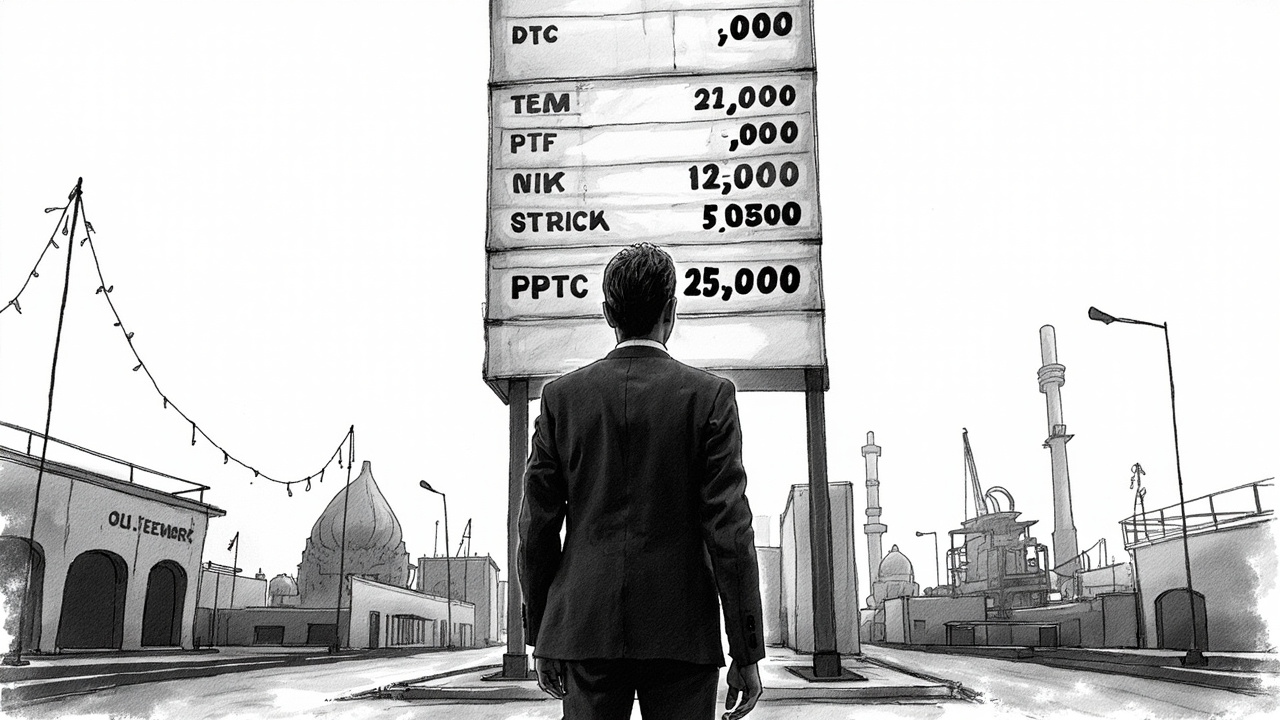
Morocco markets face fresh inflation pressure as fuel costs surge
Moroccan drivers woke up to a MAD 2 per liter fuel price increase on March 16, 2026, eight times larger than the 0.25 dirham bump seen earlier this month. The jump exposes Morocco's continued vulnerability to global oil shocks despite years of energy transition rhetoric from Rabat.
The timing is brutal. Middle East tensions are driving global oil volatility, hitting Morocco just as the kingdom tries to position itself as a stable North African investment hub. Semi-monthly price adjustments mean consumers get no breathing room between increases.
Here's what the official narrative misses: Morocco's energy regulators, the Office of Hydrocarbons and Mining (ONHYM) and Ministry of Energy Transition, have spent years promising diversification but delivered little insulation from external price shocks. The kingdom remains dangerously exposed to geopolitical events it cannot control.
Regulatory framework shows cracks under pressure
The speed of this price adjustment reveals how little buffer Morocco has built into its fuel pricing mechanism. Global oil price volatility translates almost directly to pump prices, suggesting ONHYM lacks the policy tools, or political will, to smooth out market volatility.
This matters for investors eyeing Morocco's manufacturing and logistics sectors. Transportation costs feed directly into supply chain expenses. A MAD 2 per liter increase hits trucking companies, delivery services, and any business dependent on road transport. Expect margin compression across sectors that cannot immediately pass costs to consumers.
The regulatory response has been reactive, not proactive. Morocco's energy transition strategy talks about renewable capacity but ignores the immediate need for strategic petroleum reserves or hedging mechanisms that could buffer domestic prices from external shocks.
Investment implications beyond the pump
The fuel price surge creates winners and losers across Morocco's economy. Public transport operators and ride-hailing services face immediate cost pressures. Tourism, already sensitive to economic headwinds, gets hit twice: higher operational costs for hotels and transport providers, plus reduced disposable income for domestic travelers.
Manufacturing exporters face a competitiveness squeeze. Higher logistics costs erode margins just as Morocco tries to attract supply chain diversification from Asia. The kingdom's pitch as a low-cost production base for European markets becomes harder to sell when energy costs spike unpredictably.
The real risk is policy paralysis. Morocco's government faces a classic emerging market dilemma: subsidize fuel to protect consumers and damage fiscal health, or let prices rise and trigger social unrest. Neither option attracts long-term investment.
Expect this fuel price volatility to accelerate corporate interest in renewable energy projects, not from environmental concerns, but from basic cost control. Companies that can reduce transportation dependencies or hedge energy costs will outperform those caught flat-footed by the next price shock.