Morocco Markets Face Energy Shock as Qatar LNG Halt Hits Supply

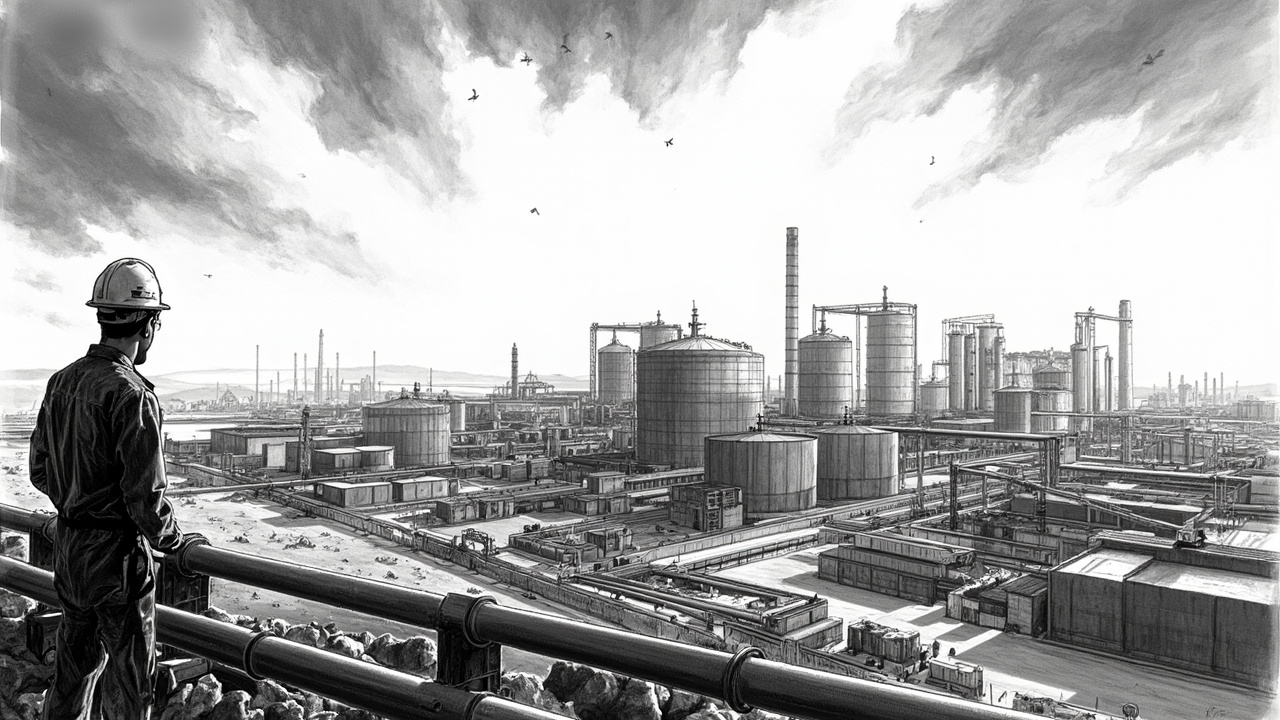
Morocco's energy import dependency exposed
Morocco markets are bracing for energy cost pressures after QatarEnergy, the world's largest LNG firm, halted production following Iranian drone attacks on facilities in Ras Laffan and Mesaieed industrial cities. European gas prices surged over 50% Monday, creating immediate ripple effects across North African energy markets.
The production halt disrupts global LNG trade flows, creating immediate supply chain risks for Morocco's energy-intensive industries. The kingdom maintains heavy reliance on energy imports, making it particularly vulnerable to Middle Eastern supply shocks and volatile pricing dynamics.
Morocco's Office National de l'Électricité et de l'Eau Potable (ONEE) has been advancing natural gas projects to reduce coal dependency. But this crisis exposes potential regulatory gaps in strategic reserve requirements for LNG imports, unlike some European counterparts who maintain buffer stocks.
The timing coincides with Morocco's broader industrial development strategy, where energy security plays a critical role in maintaining competitive manufacturing costs and attracting foreign investment in key sectors.
Industrial impact hits key sectors
Phosphate giant OCP Group faces immediate margin pressure from the energy price volatility. The company's ammonia production relies heavily on natural gas feedstock, and energy costs represent a substantial portion of fertilizer production expenses. With European spot prices spiking, OCP's integrated supply chain advantage could narrow against competitors with more stable energy procurement arrangements.
Textile manufacturers in Tangier and Casablanca industrial zones are equally exposed to energy cost fluctuations. These export-oriented facilities compete on thin margins with Turkish and Egyptian producers who may benefit from different energy supply arrangements. Energy cost spikes could potentially force production adjustments or contract renegotiations with European buyers.
The timing presents challenges for Morocco's industrial positioning strategy. The kingdom has been developing itself as a nearshoring destination for European manufacturers seeking to diversify supply chains. Energy price volatility could complicate this value proposition and affect investment decisions.
Manufacturing sectors across the kingdom face similar pressures, as energy-intensive processes become more expensive when global LNG markets experience supply disruptions. This creates cascading effects through industrial supply chains.
Regulatory framework faces pressure test
Morocco's energy regulatory environment faces scrutiny regarding supply diversification requirements and strategic planning mechanisms. The current framework may lack some enforcement mechanisms seen in other emerging markets that have implemented binding targets for energy supply source diversification.
Government ministries have discussed strategic partnerships with regional neighbors like Algeria and Egypt for pipeline gas alternatives, but progress has been limited due to various political and technical challenges. Meanwhile, private sector players operate within existing regulatory frameworks that may not incentivize strategic reserve building.
Investors should expect ONEE to potentially accelerate renewable energy procurement as a hedge against fossil fuel volatility. However, grid integration challenges and intermittency issues mean natural gas will likely remain important for baseload power generation in the medium term.
The regulatory response to this crisis could shape Morocco's energy security framework going forward. Enhanced supply diversification requirements, strategic reserve mandates, or accelerated renewable energy targets could emerge as policy responses.
Market implications and outlook
The Qatar production halt reveals energy security as a critical factor in Morocco's industrial competitiveness. Supply shock risks could affect the kingdom's manufacturing ambitions and investor confidence in energy-intensive sectors.
Industrial companies may need to reassess energy procurement strategies and consider hedging mechanisms against future supply disruptions. The crisis highlights the interconnected nature of global energy markets and their impact on North African industrial operations.
Longer-term implications include potential acceleration of renewable energy projects, enhanced focus on energy storage solutions, and possible regulatory reforms to strengthen supply security frameworks. These developments could reshape Morocco's energy landscape and industrial strategy in coming years.