DISROCK Rock-i Tests Morocco's Subsidy-Dependent Mobility Market

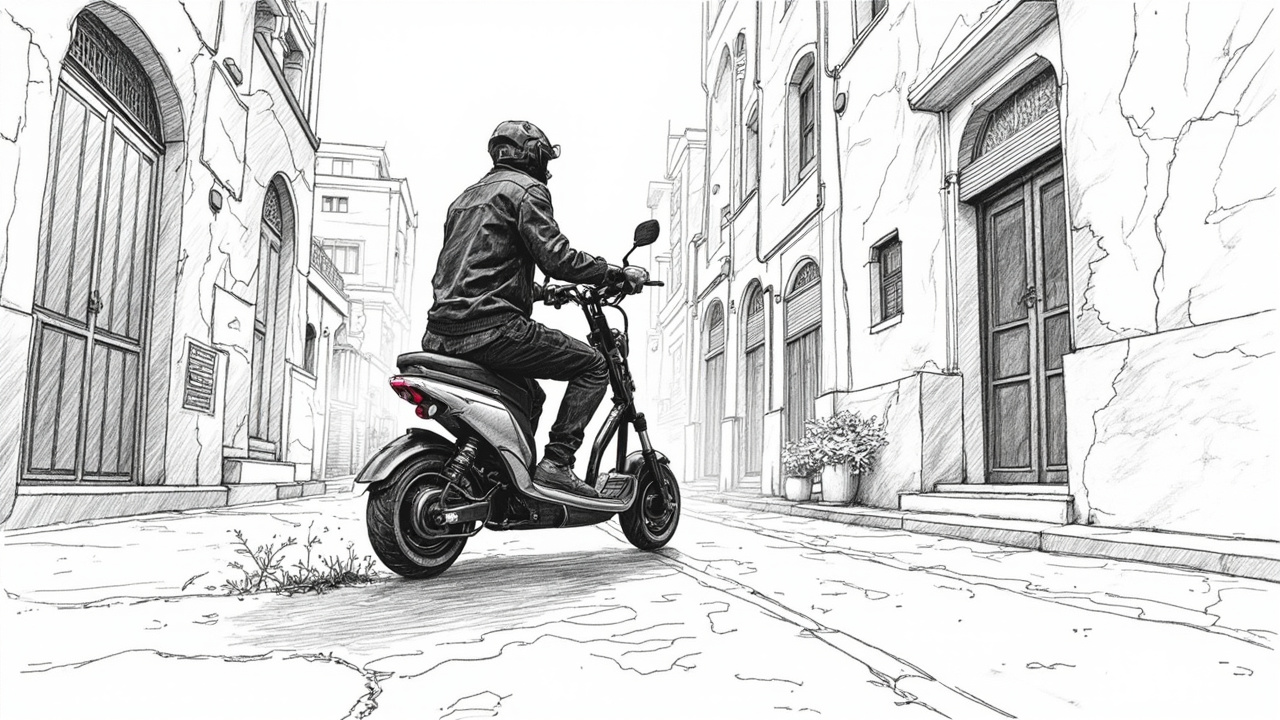
DISROCK's electric scooter launch tests whether low-margin hardware can survive without state support in Morocco. The Rock-i line, unveiled at GITEX Africa Morocco 2026, offers modest specs: a top model hitting 25 km/h with 15 km range according to Mega Gadgets. Its key feature is integrated insurance. For investors, this probes urban mobility economics where customer creditworthiness is thin and regulatory tolerance untested.
Product economics miss the mark
A 250-watt motor and 15-kilometer range works for a student commute, not a transport solution. Selling on Jumia signals a direct-to-consumer, low-volume play. I question the unit economics. These are not vehicles for last-mile delivery fleets with predictable offtake. They are consumer discretionary items in a market where disposable income faces pressure. Without purchase subsidies or clear tax incentives from the Moroccan government, the addressable market shrinks to a niche. The integrated insurance adds complexity. Who underwrites the risk? What is the claims process? This introduces a regulatory partner, likely a national insurer, creating another potential failure point.
Regulatory fragmentation will strand assets
At the same GITEX event, panelists warned that Africa's fragmented digital rules cost the continent per Morocco World News. For micro-mobility, this is acute. Moroccan cities like Casablanca and Rabat have their own traffic bylaws. A scooter legal in one district may be banned in another. DISROCK launches a national product into a patchwork of municipal rules. This benefits local distributors who can navigate city halls, but adds direct cost for a scaling operator. Expect rollout to be slow and patchy. The 'AI gateway' narrative promoted at GITEX feels disconnected from the gritty reality of hardware and municipal permits.
What should an investor do? Watch for partnerships with logistics or ride-hail platforms that guarantee fleet purchases. Look for announcements of state-backed consumer financing schemes. Without either, the Rock-i is a lifestyle product, not a mobility investment. The second-order effect touches grid integration. Thousands of low-wattage scooters charging at peak times strain local transformers, a hidden cost municipalities will eventually pass on. The loser is the standalone hardware seller. The quiet winner is the integrated utility or telecom looking to bundle energy and connectivity with vehicle leases. DISROCK's launch is a market test. The results will show how much Morocco's mobility shift depends on subsidies it hasn't promised.