Best Agri-Fintech Platforms in Kenya 2026: Twiga vs Apollo vs DigiFarm

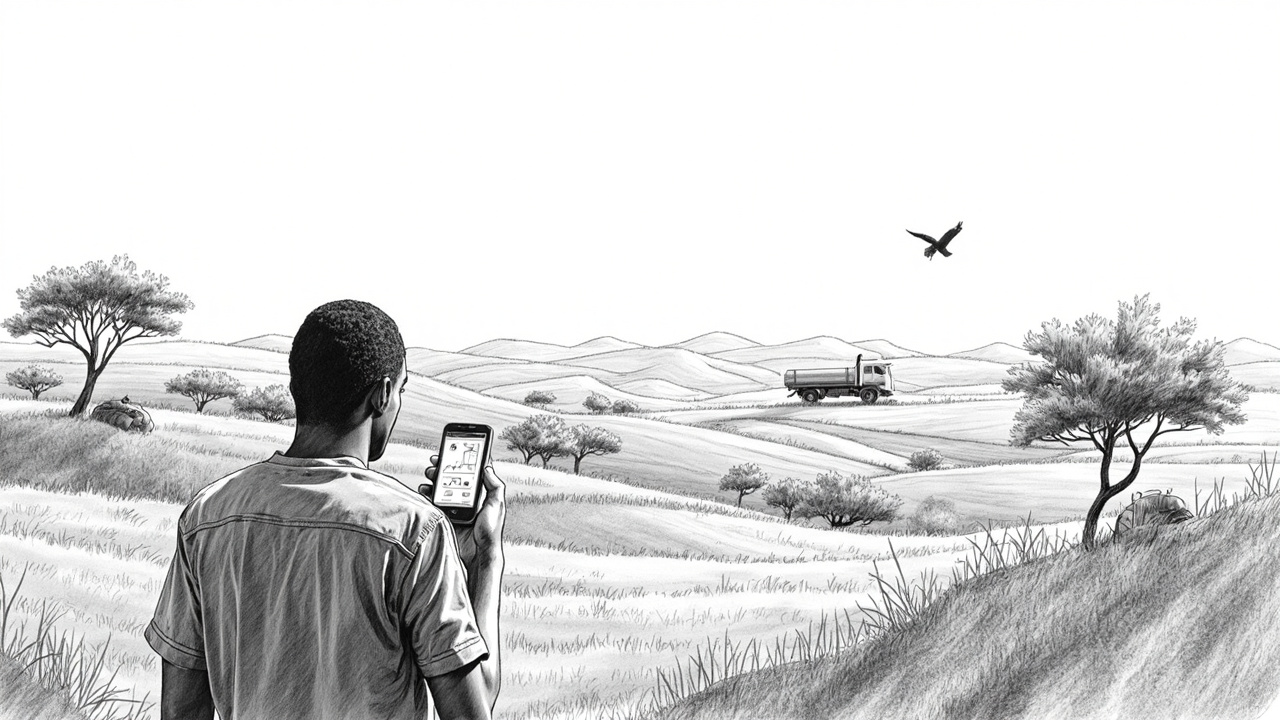
Farmers in Kenya face a persistent challenge. They need capital for seeds and fertilizer. They need reliable buyers for their harvest. They need fair prices and timely payments. Traditional systems often fail them. Agri-fintech platforms now bridge these gaps. They connect smallholder farmers directly to markets and finance. This guide compares three major players in Kenya's 2026 sector. We examine Twiga Foods, Apollo Agriculture, and Safaricom's DigiFarm. You will learn which platform suits different business needs. We provide specific costs, requirements, and actionable steps.
What Agri-Fintech Solves for Kenyan Farmers
Kenya's agricultural sector is transforming. Over 70% of the rural workforce depends on farming. Access to credit remains a major barrier. Banks see smallholders as high-risk. Agri-fintech uses data to change this. Platforms analyze satellite imagery and mobile phone data. They assess farm viability for loans. They deliver inputs directly to farmers. They also guarantee a market for produce. This integrated approach reduces risk for everyone. It increases yields and farmer incomes. For investors and entrepreneurs, these platforms represent a scalable model. They combine financial inclusion with food security.
Twiga Foods: Connecting Farmers to Urban Markets
Twiga Foods operates a business-to-business platform. It links smallholder farmers directly to vendors in cities like Nairobi and Mombasa. Farmers receive orders via SMS. They deliver produce to Twiga's collection centers. Payment arrives through mobile money within 24 hours. Twiga then aggregates, packages, and distributes the produce. This model cuts out multiple middlemen. It ensures farmers get a larger share of the final price.
For a farmer to join Twiga, they need a consistent supply of quality produce. Common crops include tomatoes, onions, potatoes, and bananas. Twiga provides free sacks for delivery. The company does not typically offer input loans directly. Its core service is market access. Twiga makes money by taking a margin on the sales it facilitates. In 2026, Twiga serves tens of thousands of farmers and vendors. Its technology predicts demand to guide planting schedules.
Apollo Agriculture: Full-Service Input Financing
Apollo Agriculture takes a different approach. It focuses on the start of the farming cycle. The platform provides a complete package to maize farmers. This package includes high-quality seeds, fertilizer, and insurance. Farmers also receive agronomic advice via SMS. Apollo uses satellite data to customize input recommendations for each plot.
Farmers repay the loan after harvest. Repayment happens through mobile money. Apollo often partners with local aggregators to buy the harvest. This gives farmers a ready market. The cost for a farmer is bundled into the loan. A typical package for one acre of maize might cost KES 15,000 to KES 20,000. This includes everything needed for the season. Apollo's model is credit-led. It proves that financing inputs with data works. Default rates remain low due to the integrated model.
Safaricom DigiFarm: The Telco-Powered network
DigiFarm is a product from Safaricom, Kenya's largest telecom. It lives on the M-Pesa menu. This gives it instant reach to over 15 million M-Pesa users. DigiFarm is not a single company but a platform. It aggregates services from multiple partners. Farmers can access input loans, veterinary products, and advisory content. They can also sell produce through the platform.
The process is simple. A farmer dials 151# and selects DigiFarm. They register their farm details. They can then apply for an input loan called DigiFarm M-Kulima. Approved loans are disbursed as digital credit. Farmers use a virtual voucher to buy inputs from approved agro-dealers. Repayment is automatic at harvest. DigiFarm's strength is its vast network and simplicity. Its challenge can be less personalized service compared to dedicated platforms.
Side-by-Side Platform Comparison for 2026
Choosing a platform depends on your primary need. Here is a direct comparison based on 2026 data.
| Feature | Twiga Foods | Apollo Agriculture | Safaricom DigiFarm |
|---|---|---|---|
| :--- | :--- | :--- | :--- |
| **Primary Model** | Market Linkage & Logistics | Input Credit & Package | Aggregated Services Platform |
| **Key Service** | Guaranteed buyer, fast payment | Financed inputs, agronomy advice | One-stop shop via USSD/M-Pesa |
| **Main Crops** | Fruits & Vegetables (Tomatoes, Onions) | Primarily Maize | Multiple (Maize, Dairy, Poultry) |
| **Credit Offered** | Limited (mainly pay-after-sale) | Yes, bundled input loans | Yes (*M-Kulima* loan product) |
| **Tech Interface** | SMS, Agent Network | SMS, App, Field Agents | USSD (*151#), Basic App |
| **Geographic Reach** | Major farming counties, urban focus | Selected maize-growing regions | Nationwide (via Safaricom network) |
| **Best For** | Farmers with produce needing reliable urban buyers | Maize farmers needing start-up capital & inputs | Farmers seeking convenience & multiple services on one platform |
Step-by-Step: How to Engage with Each Platform
For Farmers Using Twiga:
- Contact a Twiga field agent or call their customer line.
- Register your details and the crops you grow.
- You will start receiving daily SMS orders with quantities and prices.
- Deliver the agreed produce to the nearest Twiga collection point.
- Receive payment via M-Pesa within 24 hours of delivery verification.
- Call Apollo or register via their website/app.
- A field officer visits to map your farm using a satellite app.
- You receive a customized input package offer on your phone.
- Accept the loan agreement via SMS or app.
- Collect your inputs from a designated agro-dealer or get delivery.
- Repay the loan after harvest, often through a connected buyer.
- Dial 151# on your Safaricom line and select 'DigiFarm'.
- Follow prompts to register your name and farm location.
- Browse services: select 'Get Input Loan' (M-Kulima).
- Accept the terms. Loan value is added as M-Pesa credit.
- Visit a participating agro-dealer, provide your number, and buy inputs.
- The loan plus a fee repays automatically at the set harvest date.
Costs, Risks, and Returns for Participants
Each model involves different costs. Twiga's cost is implicit. Their margin is deducted from the sale price paid to the farmer. This can range from 10% to 20%. The benefit is price certainty and immediate payment.
Apollo and DigiFarm charge interest on loans. Apollo's package cost includes financing. The total repayment might be 20-30% more than the cash price of inputs. This is still often lower than informal lender rates. DigiFarm's M-Kulima loan has a flat facilitation fee. It might add KES 500 to KES 1,000 per KES 10,000 borrowed.
The main risk for farmers is crop failure. Apollo and DigiFarm bundle insurance to cover this. For Twiga, the risk is rejected produce if quality standards are not met. For investors, platform risks include high operational costs and scaling challenges. Yet, the market potential is vast. The African agri-fintech sector could be worth billions by 2027.
Investment and Partnership Opportunities in 2026
These platforms need capital to grow. Twiga has raised over $150 million from international investors. Apollo has secured tens of millions in venture funding. DigiFarm is funded by Safaricom but partners with banks and insurers.
Direct investment in these private companies is limited to institutional investors. Local business owners can partner with them. You could operate as an aggregation center for Twiga. You could become an authorized agro-dealer for Apollo or DigiFarm. Expats and entrepreneurs can study these models for replication in other regions. The core technology, using data for credit scoring, has applications across Africa.
Future Trends in Kenyan Agri-Fintech
The sector will keep evolving in 2026 and 2027. Expect more integration of climate-smart practices. Platforms will offer loans for drip irrigation kits and solar pumps. Blockchain is being tested for transparent produce tracing from farm to shelf. Smaller, niche platforms are emerging for horticulture, dairy, and poultry. The government's push for digital land records will also help. It will allow farmers to use their titled land as collateral for larger loans.
Frequently Asked Questions for New Users
Which platform gives the highest price for my crops? Twiga often provides competitive, stable prices because it sells to bulk buyers. Apollo and DigiFarm focus on ensuring you have a buyer, but the price may vary with the market.
What happens if my crop fails with an Apollo or DigiFarm loan? Both platforms include insurance in their package. You must report the failure. The insurance should cover the loan repayment, so you are not left in debt.
I don't have a smartphone. Can I use these services? Yes. Twiga and DigiFarm work fully via SMS and USSD. Apollo can operate via SMS, though a smartphone app offers more features.
How quickly can I get inputs after applying for a loan? With DigiFarm, it's instant if approved. The credit is loaded to your line immediately. Apollo may take 24-48 hours for processing and delivery coordination.
Are these platforms only for small-scale farmers? They are designed for smallholders but are more serving medium-scale farmers. Twiga works with larger farmers who can supply consistent volumes.
Choosing the right agri-fintech platform in Kenya depends on your specific bottleneck. Need a buyer? Look at Twiga. Need startup capital for maize farming? Apollo is a strong choice. Want convenience and multiple services from your phone? DigiFarm is your platform. All three demonstrate the power of technology to transform agriculture. They make farming more predictable and profitable. For anyone watching African markets in 2026, these models are blueprints for inclusive growth. The next step is to contact these companies directly or visit their websites to see their current offers and coverage areas.