Teketeke's Rural EV Push Faces Market Realities

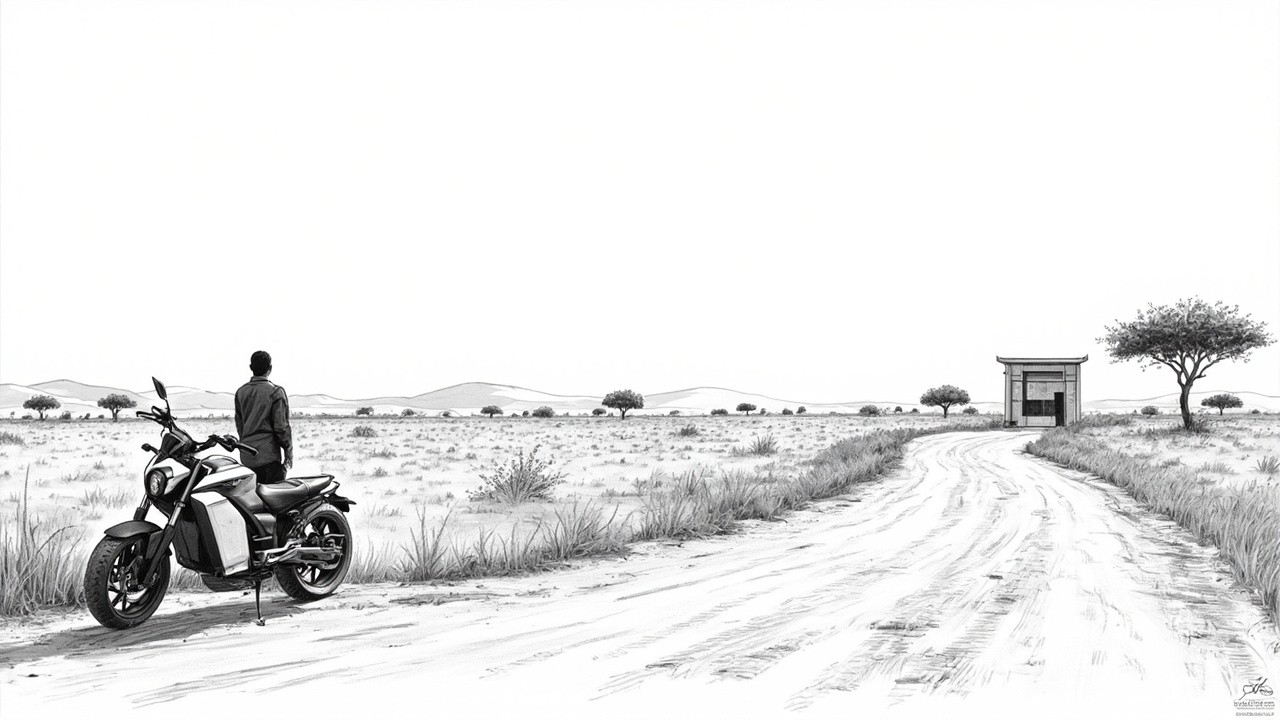
Teketeke is seeking significant funding to accelerate adoption of electric motorcycles and three-wheelers, particularly in underserved rural areas where access to fuel stations remains limited, according to the company. While the vision is compelling, the path to mass adoption in rural Kenya is fraught with challenges that go beyond the availability of capital.
The financing puzzle
Rural buyers often lack formal credit histories or bank accounts, relying instead on cash or mobile money for transactions. Teketeke’s model—leasing the battery and paying per swap—resembles a subscription approach familiar to fintech: low upfront cost with recurring revenue. However, the risk is churn. If a farmer misses a payment, the bike stops, and recovery costs can erode margins. This pattern mirrors earlier experiences with solar home systems in off-grid areas, where payment defaults and asset recovery posed persistent problems.
Battery swapping requires density to be viable. To make the model work, stations need to be placed at frequent intervals along key rural corridors. That demands substantial infrastructure investment before a customer base exists. The funding Teketeke is seeking might cover initial stock and a handful of swapping points in high-traffic routes, but scaling to reach hundreds of stations required for true coverage is a far larger undertaking. The company may need to partner with local petrol stations or agricultural cooperatives, adding coordination and operational complexity.
The real math
Electric motorcycles generally have a higher upfront cost compared to petrol equivalents, though fuel savings over time can offset the premium. However, this break-even depends on consistent daily use. Rural riders often travel short, irregular distances, which can stretch the payback period significantly. Maintenance is another hurdle. Electric bikes require specialized knowledge of controllers, chargers, and battery management systems. Rural Kenya has a vast network of mechanics skilled in fixing conventional internal combustion engines, but expertise in electric drivetrains is scarce. A single breakdown in a remote area could mean weeks of downtime, undermining trust in the technology.
What the official narrative misses
The company’s press release highlights underserved areas with limited fuel stations. Yet those same areas often have limited electricity supply, poor road conditions, and thin spare parts networks. Policy and regulatory frameworks for e-mobility are still evolving, with key guidelines—such as tariff structures for charging stations and import duty clarity for batteries—yet to be finalized. Regulatory uncertainty can freeze investment and slow adoption.
Despite these hurdles, the long-term case for electric two- and three-wheelers remains strong in certain contexts: urban delivery fleets, well-traveled highways, and corridors with predictable usage patterns. For deep rural areas, the unit economics are much more challenging. Teketeke is essentially asking investors to underwrite a future that may take years to materialize. The funding represents a substantial bet on a nascent market.
The risk is that the company burns through capital on hardware and infrastructure before adoption gains traction. Among the potential beneficiaries are battery manufacturers, solar microgrid operators who can supply power for swapping stations, and fintech platforms processing lease payments. But Teketeke itself carries the bulk of execution risk.
Verdict: This is a venture suited for patient capital, not growth equity. If rural uptake disappoints, a pivot to urban last-mile delivery within a short timeframe would not be surprising.