Namibia Cracks Down on Illegal Sand and Gravel Mining

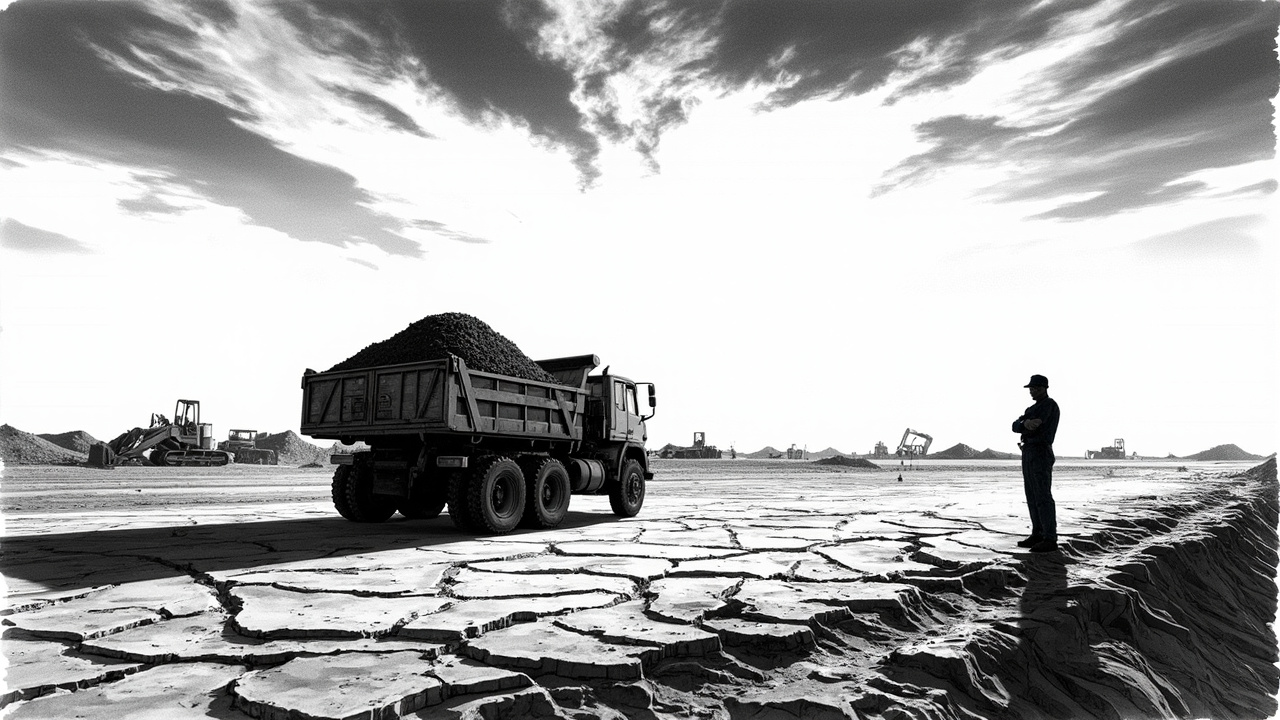
Namibia Urges End to Illegal Sand and Gravel Mining
Namibia's Minister of Environment, Forestry and Tourism Indileni Daniel issued a statement on Thursday calling for an immediate halt to illegal sand and gravel mining across the country. The minister warned that unregulated extraction activities are causing severe environmental damage. These activities also pose direct risks to human life, wildlife populations, and national food security.
Daniel emphasized that illegal mining operations often bypass environmental assessments and safety regulations. This creates dangerous working conditions and leads to land degradation. The ministry has observed increased illegal activity in several regions, including areas near vital water sources and agricultural land.
Environmental and Economic Consequences
Unregulated sand and gravel mining strips vegetation and destroys topsoil. This process accelerates desertification in a country where over 70% of the land is arid or semi-arid. The Namibian Chamber of Environment estimates that land rehabilitation costs for a single hectare of degraded mining land can exceed N$500,000 (approximately USD $27,000).
Illegal pits and excavations frequently collapse, causing injuries and fatalities. In 2023, at least 12 deaths were linked to unsafe mining practices in the Erongo and Khomas regions. These accidents often go unreported because many operations employ informal labor without proper oversight.
Wildlife habitats face disruption from machinery noise, water pollution, and habitat fragmentation. The Ministry of Environment notes particular concern for species like the Hartmann's mountain zebra and the critically endangered black rhino, whose ranges overlap with mining hotspots.
Food security suffers when mining damages arable land and contaminates water used for irrigation. Namibia already imports about 70% of its cereal requirements. Further loss of productive land could increase this dependency.
Government Response and Enforcement
The Ministry of Environment, Forestry and Tourism is coordinating with the Namibian Police Force and the Ministry of Mines and Energy to increase enforcement. Officials plan to conduct more frequent inspections in known problem areas. They will also use satellite imagery to detect new, unauthorized excavation sites.
Legal sand and gravel mining requires an Environmental Clearance Certificate from the Environmental Commissioner. Applicants must submit an Environmental Impact Assessment and a rehabilitation plan. The process typically takes 90 to 120 days and costs between N$20,000 and N$50,000 (USD $1,100 to $2,700) in fees, depending on the project scale.
Companies operating legally must post a rehabilitation bond with the Ministry of Mines and Energy. This bond ensures funds are available to restore the land after mining concludes. The bond amount is usually 10-15% of the total project cost.
Why It Matters
This crackdown matters for Namibia's sustainable development. The construction sector contributes about 4.5% to Namibia's GDP. It relies heavily on sand and gravel as primary building materials. A shift toward regulated, responsible mining could stabilize supply chains and reduce project delays caused by material shortages.
Environmental protection directly supports tourism, which accounts for roughly 14.7% of Namibia's employment. The country's dramatic landscapes, like the Namib Desert and Etosha National Park, are major tourist draws. Degradation from illegal mining could damage this vital economic sector.
Food security remains a pressing national issue. Protecting agricultural land and water resources is crucial for Namibia's goal of reducing cereal imports. The Namibian Agronomic Board reported in 2023 that local cereal production met only 30% of domestic demand.
What Businesses Should Watch
Construction and infrastructure companies should verify their material suppliers hold valid mining licenses and environmental permits. The Cement and Concrete Institute of Namibia recommends that members conduct quarterly audits of their aggregate supply chains. Companies like Ohorongo Cement and Whale Rock Cement have publicly committed to sourcing only from licensed operators.
Investors in mining ventures must budget for full compliance costs, including environmental assessments and rehabilitation bonds. The Namibian Chamber of Mines reports that proper licensing adds 15-25% to initial project costs but prevents costly legal penalties and operational shutdowns.
technology firms offering monitoring solutions may find new opportunities. The Ministry of Environment has expressed interest in drone surveillance and AI-powered image analysis to track mining activity. Startups like Namibia's TerraSense and South Africa's Aerobotics provide similar services in other African markets.
Insurance providers should review policies covering construction projects and mining operations. They might adjust premiums or require additional site safety certifications. The Insurance Institute of Namibia noted a 22% increase in claims related to construction site accidents in 2023, partly linked to unstable ground conditions.
The government's stance could influence regional policy. Neighboring countries like South Africa and Botswana face similar challenges with illegal sand mining. Namibia's regulatory approach might serve as a model, potentially harmonizing standards across the Southern African Development Community (SADC) region.
Businesses should monitor announcements from the Ministry of Mines and Energy regarding new licensing rounds or changes to mineral rights. The ministry typically publishes such notices in the Government Gazette and on its official website. Proactive engagement with industry associations, like the Construction Industries Federation of Namibia, can provide early insights into regulatory shifts.