Motorists Blame Road Design for Northern Corridor Crash Surge

Motorists Association Points to Infrastructure Flaws
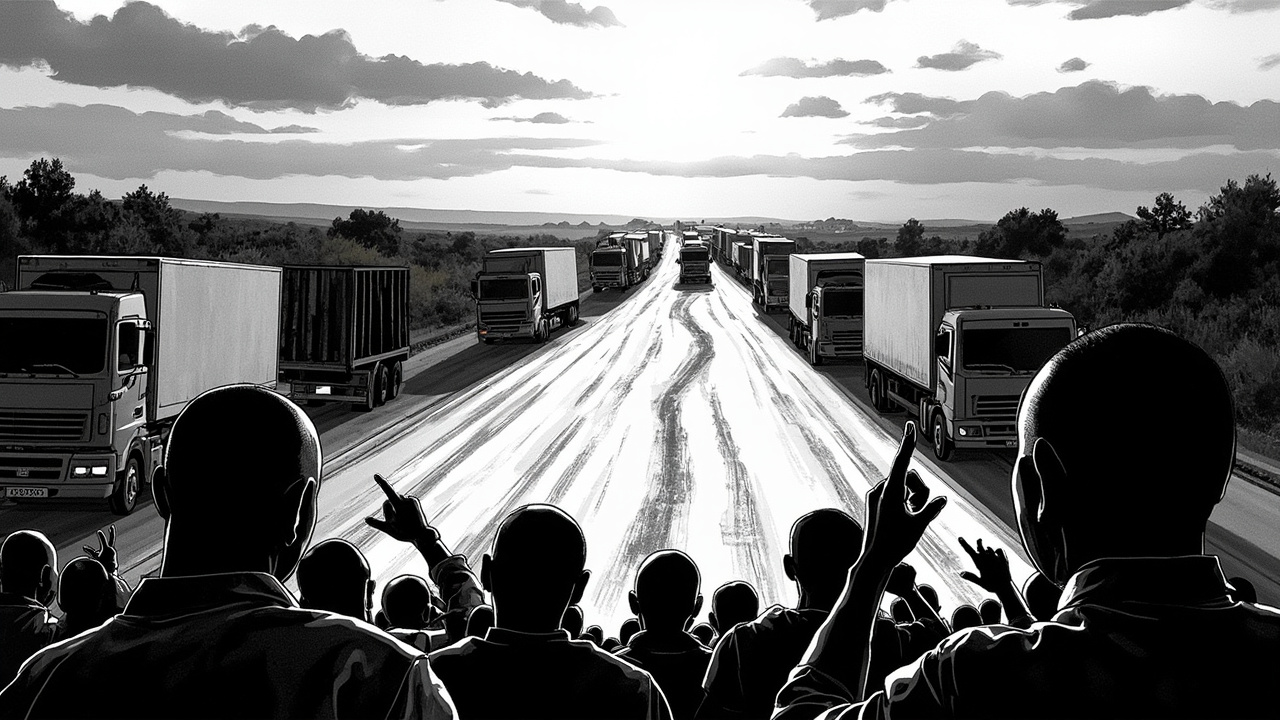
The Motorists Association of Kenya (MAK) has identified road design failures as the primary cause of a recent surge in fatal crashes along the Northern Corridor. In a statement dated January 5, 2026, the association argued that infrastructure problems and weak enforcement contribute more to accidents than driver behavior alone. The Northern Corridor stretches from Mombasa through Nairobi to the border with Uganda, serving as East Africa's busiest trade route.
MAK's analysis shows crashes follow a recurring pattern on specific sections. These sections lack proper signage, have inadequate lighting, and feature poorly designed intersections. The association noted that enforcement by the National Transport and Safety Authority (NTSA) remains inconsistent. MAK called for immediate design reviews and increased patrols.
Why It Matters
Road safety directly impacts Kenya's economy and business operations. The Northern Corridor handles over 70% of East Africa's cargo traffic, according to 2025 data from the Kenya Ports Authority. Fatal crashes disrupt supply chains and increase insurance costs. Logistics companies like Multiple Hauliers and Siginon Group face delays and higher premiums. The Kenya National Bureau of Statistics reported 4,500 road fatalities in 2025, a 15% increase from 2024. About 30% occurred on major highways like the Northern Corridor.
Poor road design affects transport efficiency. Businesses rely on timely deliveries for manufacturing and retail. The Kenya Association of Manufacturers estimates that transport delays cost the economy KES 50 billion (USD 400 million) annually. Improved infrastructure could reduce these losses. Safety investments also attract foreign companies. Firms like Bidco Africa and Brookside Dairy need reliable routes for distribution.
Specific Problem Areas
MAK highlighted several high-risk sections. The Mai Mahiu-Naivasha stretch has sharp curves without guardrails. The Salgaa area near Nakuru lacks proper drainage, causing flooding during rains. The Mlolongo toll station near Nairobi has confusing lane markings. These design flaws lead to frequent collisions. The association cited data showing 200 crashes on these sections in the last six months of 2025.
Enforcement gaps worsen the situation. The NTSA has only 500 traffic officers patrolling the entire corridor. This number is insufficient for a route spanning 1,600 kilometers. MAK proposed hiring 200 more officers and installing speed cameras. The estimated cost is KES 300 million (USD 2.4 million). The government has not yet approved this budget.
What Businesses Should Watch
Companies using the Northern Corridor should monitor infrastructure upgrades. The Kenya National Highways Authority (KeNHA) plans to redesign three sections in 2026. These include the Salgaa area and two intersections near Thika. KeNHA will spend KES 1.2 billion (USD 9.6 million) on these projects. Completion is expected by December 2026. Businesses should prepare for possible construction delays.
Insurance premiums may rise. Insurers like Britam and Jubilee Holdings have noted increased claims from Northern Corridor accidents. Some are considering higher rates for transport firms. Logistics companies should review their coverage. They might need to budget an extra 10-15% for insurance in 2026.
Supply chain managers should develop contingency plans. Alternative routes like the Nairobi-Nakuru highway could ease pressure. Companies should also track NTSA enforcement changes. Stricter checks could slow transit times initially but improve safety long-term. Firms like East African Breweries and Unilever Kenya already use GPS tracking to monitor fleet movements.
Government and Industry Response
The Ministry of Transport acknowledged MAK's concerns in a brief response. It promised to review design standards with KeNHA. No timeline was given. The NTSA stated it will increase patrols during peak travel seasons. It plans to deploy 50 additional officers by mid-2026. The agency also mentioned a new driver training program starting in March 2026.
Industry groups support MAK's call for action. The Kenya Transporters Association urged faster implementation of safety measures. It warned that continued crashes could deter investment. The Association of Kenya Insurers reported a 20% increase in motor claims in 2025. It linked this trend to Northern Corridor accidents.
Looking Ahead
Road design improvements require coordinated efforts. KeNHA must secure funding and hire engineers. The NTSA needs more resources for enforcement. Businesses should advocate for these changes through groups like the Kenya Private Sector Alliance. They can highlight the economic costs of inaction.
MAK will release a detailed report in February 2026. It will include specific design recommendations. The association plans to meet with KeNHA and the Ministry of Transport to discuss implementation. MAK's president emphasized that safer roads benefit all road users and boost economic growth.
Kenya's vision for a seamless transport corridor depends on addressing these flaws. The Northern Corridor is vital for regional trade. Fixing its design issues could reduce crashes by up to 40%, according to MAK estimates. This would save lives and cut business costs. The coming months will test the government's commitment to infrastructure safety.