Meta smart glasses: Strong sales, Kenya labor dispute looms

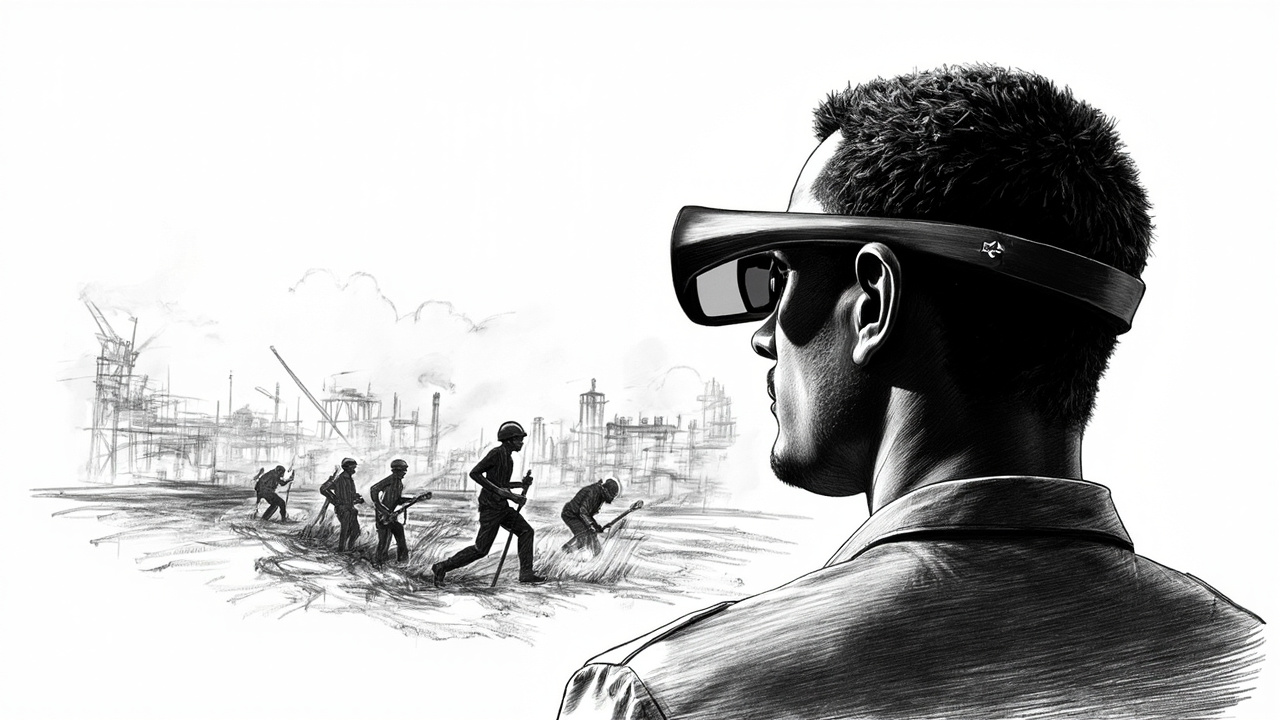
Meta's Ray-Ban AI glasses have seen significant growth and are now the most popular on the market, estimated to make up more than 80% of all AI or smart glasses sales, as the company was the first major tech player to launch such a product in recent years. For investors, that growth looks like a winner. But the privacy backlash is not a side story. It is a material risk, and Kenya sits at the centre of it.
Kenya's data labor problem
Meta subcontracts content moderation and data review to firms in Kenya. Those workers have been watching footage captured by the glasses, including people using the toilet or having sex, according to the BBC. An ongoing dispute over the fate of those workers after they raised concerns, per a separate BBC report from April 2026, is not just a labour grievance. It is a brand liability that regulators will notice.
Kenya has a Data Protection Act enforced by the Office of the Data Protection Commissioner. The law covers consent, purpose limitation, and data subject rights. If a Kenyan court or regulator decides that Meta's collection of bystanders' images without consent violates the Act, the company could face fines, injunctions, or restrictions on selling the glasses locally. Other African markets with similar laws, including South Africa, Nigeria and Ghana, would pay attention. A single adverse decision could ripple across the continent.
The 80% market share trap
Meta owns the category. That means any regulatory blow that limits the sale or use of smart glasses hits Meta hardest. Competitors like Google or Apple have not launched comparable products yet. If the Kenyan dispute leads to import bans or mandatory consent disclosures, Meta loses a growth market just as the glasses start to reach price points affordable to African consumers. The faster the category grows, the more exposed Meta becomes to privacy regulation.
Investors should watch the Office of the Data Protection Commissioner. The risk is not theoretical. The precedent exists for data protection enforcement in Kenya. The BBC coverage generated public awareness. The risk is not theoretical. The question is whether regulators will act.
What investors miss
The official narrative is about privacy invasion. The investment angle is about market access. Meta's smart glasses business depends on the ability to sell hardware in that 80% share of a growing market. If Kenya, one of Africa's most digitally connected economies, restricts the glasses, the message to other regulators is loud: this product is a problem for privacy law. Expect copycat actions in other African markets within a year.
For Meta, the cost of compliance is manageable. The cost of being locked out of emerging markets is not. The strong sales are concentrated in North America and Europe. Africa is still a tiny fraction of sales. But that fraction is where growth lives. Losing it would not break the company, but it would slow the adoption curve and signal to investors that the privacy risk is real.
The smart glasses are selling better than ever. So is the backlash. The question for anyone holding Meta stock: is the Kenya dispute already priced in? Probably not.