Kenya cargo tracking opens, but lock-in risk persists

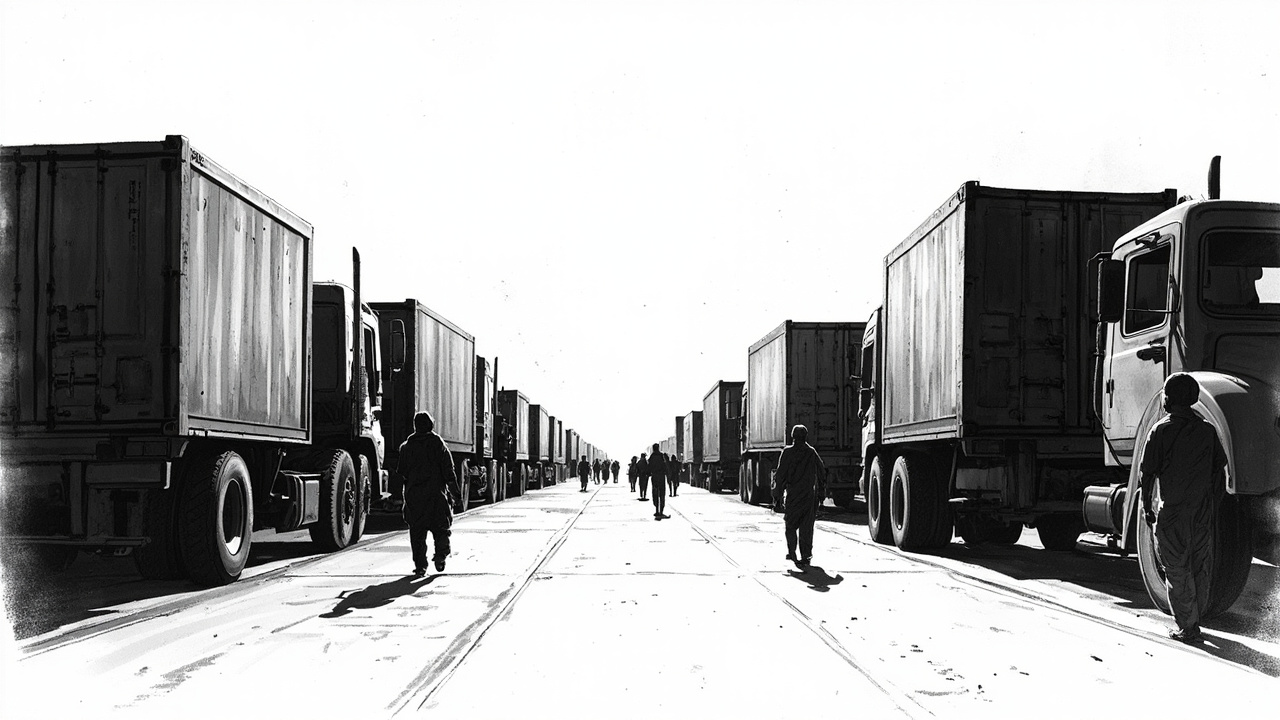
Kenya's e-seal market just got a second name on the door, and hauliers should read the fine print before celebrating. The Kenya Revenue Authority has opened its electronic cargo tracking system to multiple service providers, ending a single-vendor arrangement. Competition in principle. In practice, the result depends on one detail the announcement leaves out: who controls the data pipe.
The seal is not the product
E-seals are cheap hardware. The money sits in the software layer that logs a trip into KRA's customs systems, and in the subscription that keeps a fleet plugged in. Publish a vendor list without a full interface specification and you get a beauty parade, not a market. Any operator running Mombasa to Nairobi should ask one question during onboarding: what happens to my data if I leave?
The incumbent's advantage was never the device on the container. It was the integration nobody else had. If new entrants must reverse-engineer their way into KRA's systems, they will spend their first year on compliance instead of undercutting anyone.
Per-trip fees and lock-in decide whether this is a market
Watch how the new entrants price. A per-seal charge on top of device cost looks harmless until you multiply it across a year of trips. A flat monthly platform fee hits a two-truck operator hardest, which is the opposite of what a revenue authority chasing formalisation should want. The buyers with the least volume pay the highest unit cost.
Integration costs will travel down the chain. Vendors building the link to KRA will recover that spend from transporters. Expect small clearing agents and freight forwarders to rent access through larger intermediaries rather than buy direct.
Then ask for export rights before signing anything. If a transporter's trip history stays locked inside the vendor they walked away from, they cannot audit a detention penalty or compare seal failure rates across providers. Switching cost stays high, and the single-vendor problem returns as a two-vendor problem with a nicer invoice.
Reliability matters more than sticker price. A seal that fails in transit means an inspection at Malaba or Busia, and the delay costs more than a year of subscriptions. The risk is that price competition pushes vendors toward cheaper hardware and thinner support. Whoever holds the service contract carries that exposure, not the vendor.
The border is where it gets decided
Domestic tracking is half a system. The prize is the Northern Corridor into Uganda and onward, where trucks cross several jurisdictions. If KRA's platform cannot exchange data with other revenue authorities, a truck gets sealed twice and the saving evaporates. East African harmonisation and AfCFTA trade facilitation both point toward mutual recognition of e-seals. Recognition needs shared data standards, not goodwill.
KRA deserves credit for ending a monopoly on paper. The test is whether a haulier can switch providers mid-corridor without re-registering the truck or losing its history. Until that happens, this is a re-tender with better public relations. Expect a year of price undercutting, at least one vendor folding, and the quiet winners being insurers who finally get clean trip data for underwriting cargo risk.