KMPDC Shuts Unregistered Dental Clinic After Patient Harm

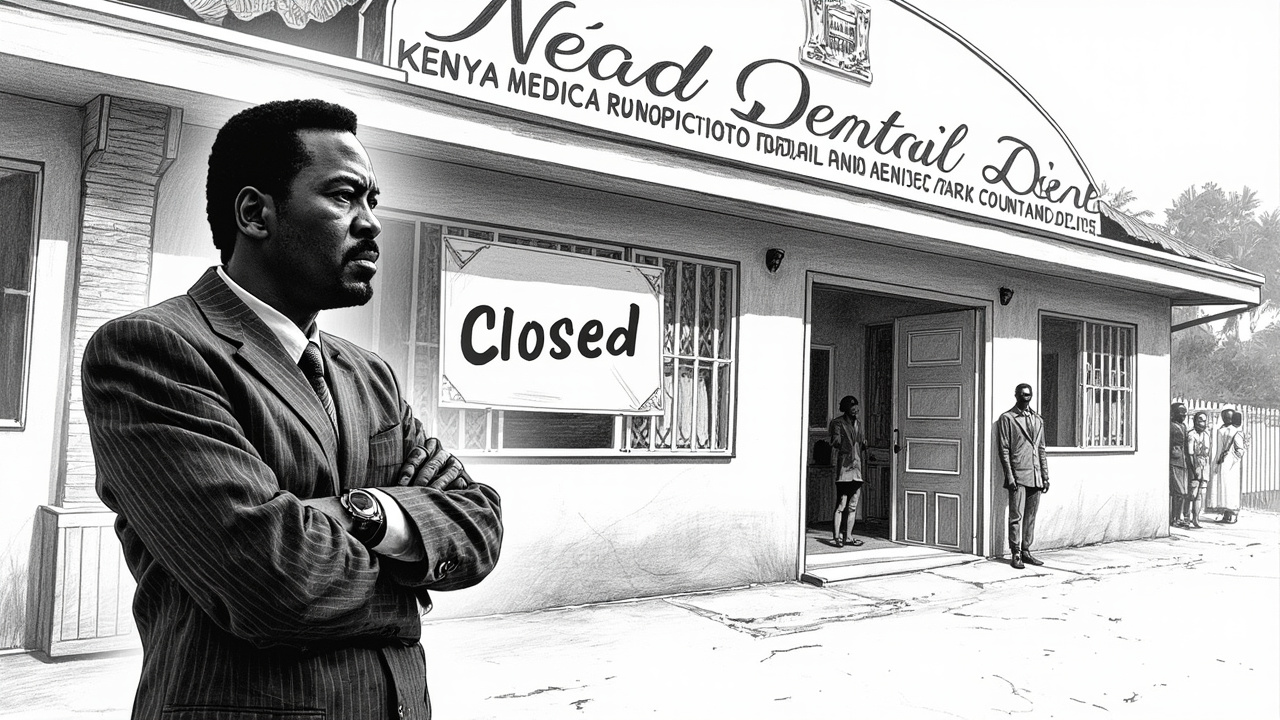
KMPDC Closes Illegal Dental Clinic in Nairobi
The Kenya Medical Practitioners and Dentists Council shut down an unregistered dental clinic in Nairobi's Kawangware area this week. The regulator acted after reports of adverse patient outcomes from an illegal procedure. The clinic operated as Life Clinic without proper registration. KMPDC inspectors found the facility lacked basic medical licenses. They also discovered substandard equipment and hygiene violations. The closure occurred on January 11. KMPDC officials confirmed the action in a public statement.
Regulatory Crackdown on Unlicensed Medical Facilities
KMPDC has intensified enforcement against unregistered medical facilities across Kenya. The council conducted 47 inspections in Nairobi County during the last quarter. They closed 12 clinics for operating without licenses. These actions follow a 2023 directive from the Ministry of Health. The ministry allocated KES 150 million (USD 1.2 million) for regulatory enforcement. Dr. David Kiptoo, KMPDC's head of compliance, leads these operations. He stated the council prioritizes patient safety above all else. The Kawangware case represents a growing pattern of illegal medical practices.
Patient Safety Risks in Unregulated Healthcare
Unregistered clinics pose serious health risks to Kenyan patients. The Kawangware incident involved dental procedures performed by unqualified personnel. Patients reported infections and improper treatments. Medical experts warn such facilities often reuse disposable equipment. They also frequently administer incorrect medications. The Kenya Dental Association estimates 30% of dental clinics in informal settlements operate illegally. These clinics typically charge KES 500-2,000 (USD 4-16) per procedure. Licensed facilities charge KES 3,000-10,000 (USD 24-80) for comparable services. The price difference attracts vulnerable patients seeking affordable care.
Why It Matters
This enforcement action signals stronger healthcare regulation in Kenya. The KMPDC closure affects medical service providers across the country. Licensed clinics may benefit from reduced unfair competition. Healthcare investors should note the regulatory environment is tightening. Patient safety concerns are driving policy changes. The government's increased funding for inspections suggests continued enforcement. Medical malpractice insurance providers should monitor these developments closely. The case highlights risks in Kenya's growing healthcare market.
What Businesses Should Watch
Healthcare providers must ensure full compliance with KMPDC regulations. The registration process requires KES 50,000 (USD 400) in fees and thorough facility inspections. Medical equipment suppliers should verify customer credentials before sales. Insurance companies might adjust premiums based on clinic certification status. Investors in healthcare real estate should confirm tenant compliance. The Pharmaceutical Society of Kenya reports increased scrutiny of drug distribution to unlicensed facilities. Businesses should expect more coordinated enforcement between KMPDC, county governments, and the National Police Service.
Market Implications for Kenya's Healthcare Sector
Kenya's healthcare market faces regulatory transformation. The private healthcare sector contributes approximately KES 450 billion (USD 3.6 billion) annually to Kenya's economy. Listed healthcare companies like Nairobi Securities Exchange-listed Kenya Medical Supplies Authority (KEMSA) monitor regulatory changes. The Medical Practitioners and Dentists Board reports 15% annual growth in licensed facilities since 2020. However, informal providers still capture significant market share in low-income areas. The KMPDC action may accelerate formalization. This could benefit established providers like Aga Khan University Hospital, Nairobi Hospital, and Gertrude's Children's Hospital. These institutions maintain full KMPDC accreditation and international quality standards.
Legal Consequences for Violators
Operating an unregistered medical facility carries serious penalties in Kenya. The Medical Practitioners and Dentists Act imposes fines up to KES 500,000 (USD 4,000) for first offenses. Repeat offenders face imprisonment up to three years. The law also allows patient compensation claims through the Health Professions Tribunal. KMPDC can pursue asset forfeiture against illegal operators. County governments may revoke business permits for non-compliant facilities. The Office of the Director of Public Prosecutions has prioritized healthcare fraud cases. Recent convictions resulted in average sentences of 18 months.
Future Regulatory Developments
KMPDC plans to expand its digital registration system in 2024. The online portal will streamline license applications and renewals. The council aims to reduce processing times from 90 to 30 days. They also intend to implement real-time facility monitoring. The Ministry of Health proposes mandatory malpractice insurance for all medical practitioners. This requirement would add approximately KES 20,000 (USD 160) to annual operating costs. Parliament considers amendments to strengthen the Medical Practitioners and Dentists Act. Proposed changes include higher penalties and whistleblower protections. These developments will shape Kenya's healthcare investment landscape.