Kenya Railway Levy Securitization Exposes Import Cost Spiral Risk

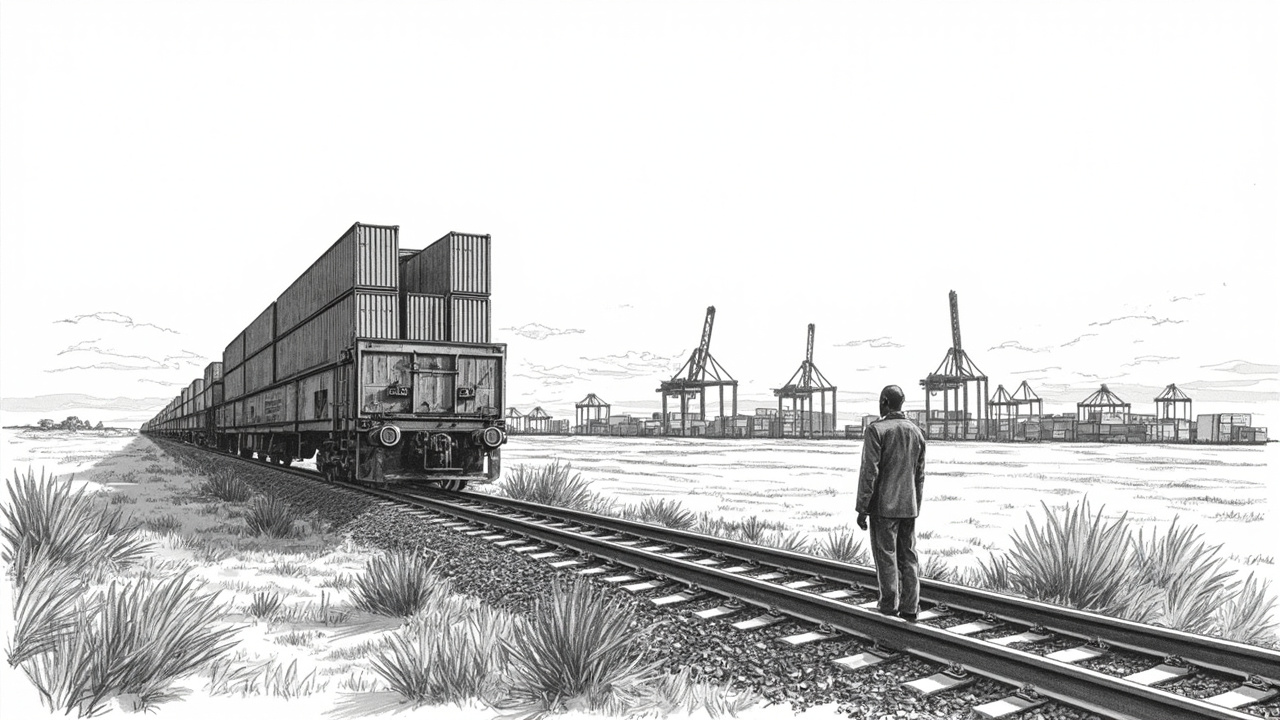
Import costs set to compound as levy becomes loan collateral
Kenya's plan to securitize 90% of Railway Development Levy funds as loan collateral creates a compounding cost trap for importers already facing elevated logistics expenses. The government raised the RDL from 1.5% to 2% under amended tax laws, then immediately proposed diverting nearly all collections to back Standard Gauge Railway bonds rather than fund actual railway operations.
This isn't just another tax increase. It's a subscription model where importers pay recurring fees for infrastructure they may never fully benefit from. The levy was supposed to fund railway development that would reduce logistics costs. Instead, 90% goes to service existing debt while import costs rise permanently.
Importers understand the math. Shippers have warned that extra costs will be passed to consumers, creating an inflationary spiral in a net importing economy. Every container, every manufactured input, every consumer good carries this embedded cost increase with no corresponding service improvement.
Platform lock-in emerges as revenue diversification fails
The securitization scheme reveals classic platform lock-in dynamics. Kenya committed to Chinese-financed SGR infrastructure, creating vendor dependency that now requires creative financing to sustain. The railway levy becomes a subscription payment to maintain access to infrastructure that doesn't generate sufficient user fees.
Manufacturers previously negotiated reduced Import Declaration Fees from 2% to 1.5% on intermediate goods and raw materials in exchange for accepting new levies. Now they face bait-and-switch economics where the negotiated levy gets redirected from promised infrastructure improvements to debt service.
This mirrors failed SaaS models where initial low pricing hooks customers, then feature restrictions and price increases extract maximum revenue from locked-in users. Kenya's importers have no alternative logistics infrastructure, making them captive subscribers to whatever cost structure the government imposes.
Liquidity constraints threaten service delivery
Diverting 90% of levy revenue as loan collateral creates immediate liquidity problems for actual railway operations. The Business Daily reports the funds will back SGR bonds, but existing railway infrastructure requires ongoing maintenance and operational funding.
This is the classic mistake of treating infrastructure as a one-time capital expense rather than an ongoing operational commitment. Railways need continuous investment in track maintenance, rolling stock, signaling systems, and operational staff. Securitizing the dedicated revenue stream leaves these requirements unfunded.
The risk is service degradation that forces importers back to road transport, negating any efficiency gains from railway investment while still paying the levy. Importers get locked into paying for infrastructure that becomes more unreliable due to underfunding.
Expect importers to pass through the full cost increase to consumers while exploring alternative trade routes through Tanzania and Uganda. Kenya's competitive position in regional trade weakens as embedded logistics costs rise without corresponding service improvements. The levy becomes a permanent tax on economic activity rather than investment in productivity enhancement.
The government's securitization proposal exposes the fundamental flaw in treating infrastructure financing like venture capital - promising future returns to justify current costs while users bear the risk of non-delivery.