Kenya's Ksh4bn Laikipia Road: Rural Growth or Political Bet?

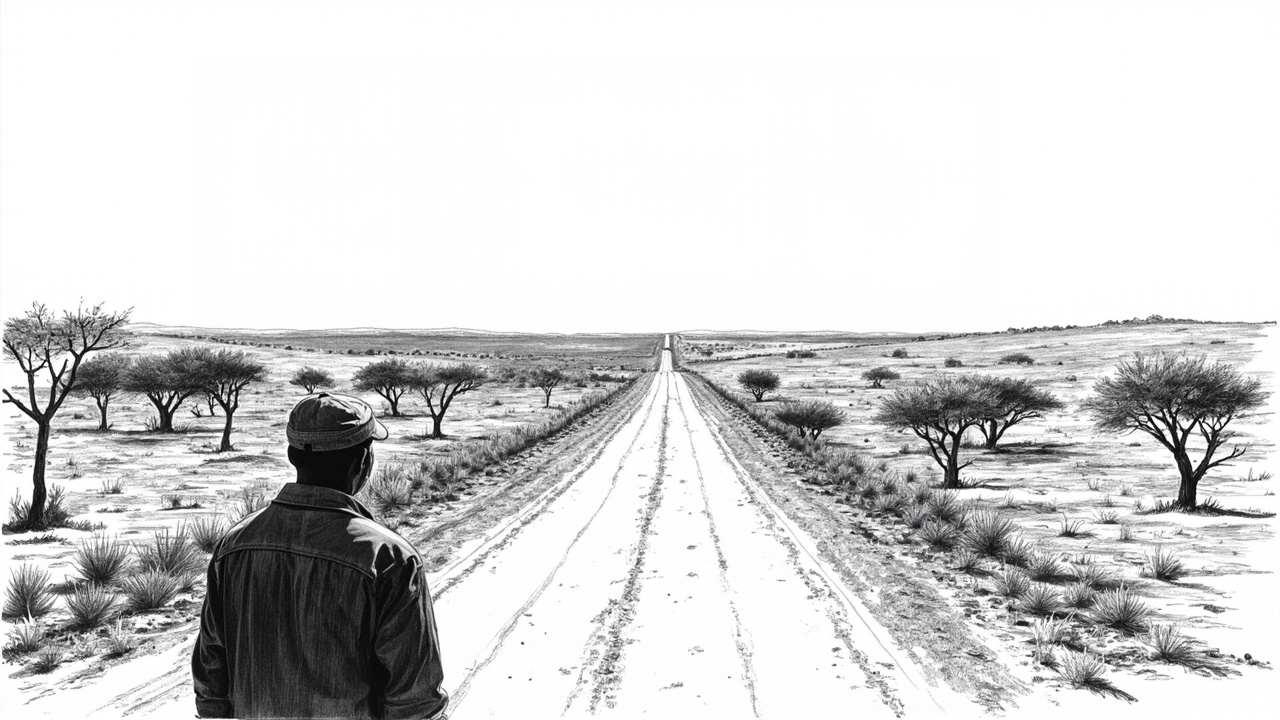
A 60-kilometer road in Laikipia North will not transform Kenya's economy by itself. The government allocated Ksh4 billion for the Nanyuki–Naibor–Doldol road, according to peopledaily.digital. The official narrative frames this as economic justice for a region where transport costs eat into farmers' margins. I'm not buying it.
The numbers behind the promise
Ksh4 billion for 60 kilometers is a substantial investment in rural infrastructure. But the government's track record on large road projects is poor. New projects often get announced and celebrated, while existing roads deteriorate from lack of maintenance. The real story is the gap between political announcements and delivery. Maintenance is a recurring challenge that is rarely accounted for in initial budgets. The Ksh4 billion covers construction, not upkeep, and without a maintenance plan, the road's benefits may be short-lived.
What the official narrative misses
Transport costs in Laikipia North are high, partly because of poor road quality. A paved road lowers fuel and wear costs, potentially reducing transportation expenses. However, whether these savings reach farmers depends on market dynamics and competition among transporters. The county government has not discussed market regulation or road tolls, which suggests the project may be more about political symbolism than structural reform. Without addressing the broader logistics chain, the road alone may not lower the prices farmers pay for inputs or receive for their livestock.
The broader context: Kenya's Vision 2030 targets major corridors like the Lamu Port-South Sudan-Ethiopia Transport (LAPSSET) corridor, intended to unlock cross-border trade under AfCFTA. But internal feeder roads like Nanyuki–Doldol are afterthoughts. Without them, the benefits of the corridor remain theoretical. The risk is that Kenya builds highways to the border while local roads stay impassable, leaving rural communities disconnected from the promised economic integration.
The second-order effect for investors
Who gains quietly? Landowners along the Nanyuki–Doldol route. Infrastructure improvements often lead to increased land values, and speculation is a common outcome. The government has not announced land compensation or community benefit-sharing mechanisms, which is a red flag for transparency. Investors in rural supply chains—such as milk processors, tomato exporters, or flower farms—may benefit from more reliable logistics, but only if the road is maintained and if transport competition exists.
Who loses? Smallholder farmers who miss the price benefit because transportation savings are not passed on. Also, taxpayers bear the risk if the project runs over budget. The Ksh4 billion allocation depends on central government transfers, and with limited government resources, money for roads competes with health and education. The project may be a political priority, but that does not guarantee economic returns for the community.
The bottom line: This is a politically useful project, not an economic panacea. Investors should watch the procurement process. Is it competitive or rigged? The real test is whether the road stays paved after the election cycle. If not, the Ksh4 billion is a sunk cost. For now, treat it as a signal of intent, not a guarantee of change.