Kenya gaming tax debate risks choking sector growth

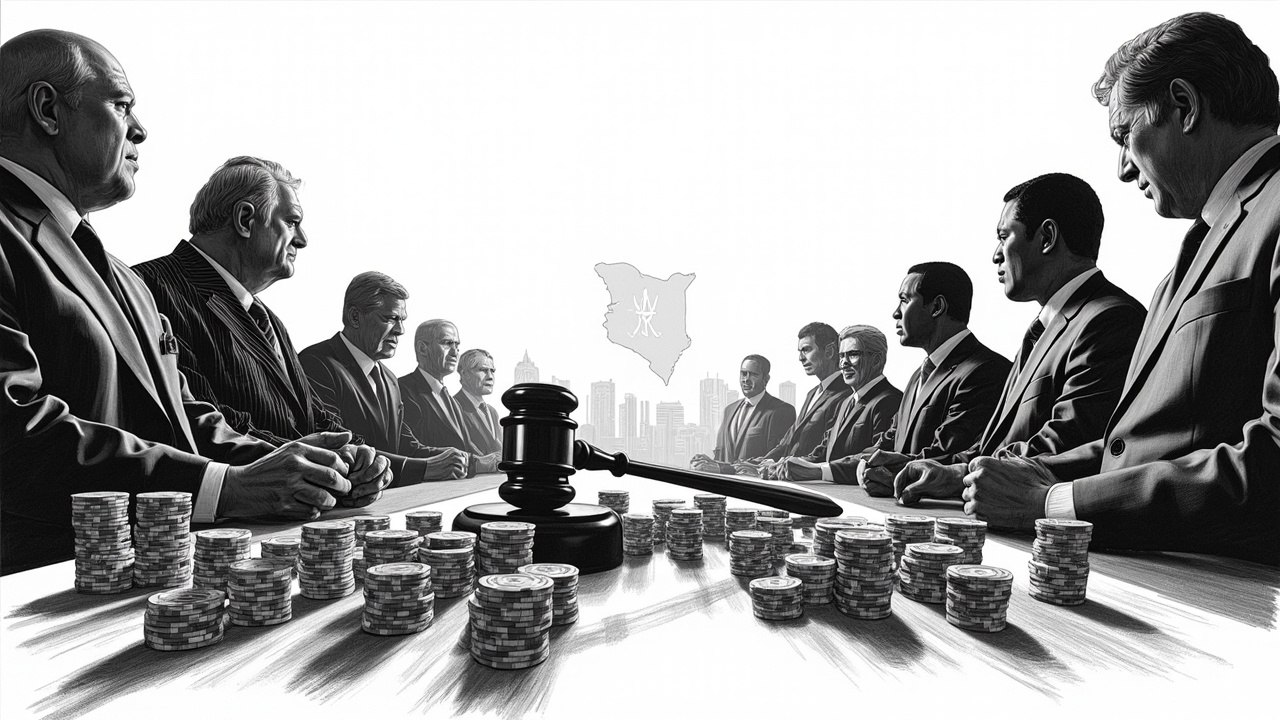
The inaugural iGaming AFRIKA Summit 2026 in Nairobi was meant to celebrate digital gaming's rise across Africa. Instead, regulators and investors spent the panels warning each other that tax policy might kill the goose before it lays many eggs. That tension, between revenue hungry governments and operators needing predictability, is the real story.
Kenya markets have seen this movie before. Mobile money got taxed into a slower growth curve. Now digital betting, already hammered by a 5% withholding tax on withdrawals, faces another round of fiscal scrutiny. The summit didn't produce a solution. It produced a warning: stakes are rising, and nobody is sure how high is too high.
Tax policy talks reveal deeper tensions
The conference's dominant theme was rising fiscal stakes as digital gaming expands. What it means is that governments from Kenya to Nigeria to South Africa see gaming as a cash cow. They are right to chase revenue. But they are wrong to assume the cow won't bolt.
Kenya's excise tax on betting stakes stands at 7.5%, plus the 5% withholding on winnings. That's high by any standard. The summit debates suggested more could come. But there is a point where tax becomes a disincentive, and the industry moves to unregulated platforms or offshore servers. Kenya's Betting Control and Licensing Board (BCLB) already struggles to enforce controls on informal operators. Higher taxes won't fix that.
I'm skeptical that a summit changes much. These events are where officials talk and operators lobby. The real test comes when the Finance Bill lands in parliament. If the 2026 bill includes another gaming tax hike, expect a repeat of 2024's gambler backlash and operator warnings.
The regulator's dilemma
Kenya's gaming regulators face a choice. They can squeeze the formal sector until it shrinks, pushing players to Telegram-based bookies and foreign sites that ignore local law. Or they can design a tax regime that balances revenue with growth, then actually enforce it.
The second option is harder. It requires coordination between the BCLB, the Kenya Revenue Authority (KRA), and the Ministry of Interior. That coordination is not visible today. Meanwhile, the informal market reportedly handles billions of shillings in bets yearly, untaxed.
Pan-African integration rhetoric, AfCFTA, harmonized digital regulations, sounds nice in Nairobi conference halls. But tax policy is the last thing any finance ministry will harmonize. Each country wants its cut. That fragmentation is a risk for any investor betting on cross-border gaming platforms.
What should investors watch
Three things. First, the 2026 Finance Bill. If it contains new gaming taxes, the sector's valuation math changes. Second, enforcement trends. If the BCLB starts prosecuting offshore operators, the formal sector gets a boost. If not, expect margin erosion. Third, consumer behavior. Kenyan bettors are price sensitive. A tax that turns a 100 shilling bet into 110 shillings doesn't kill demand. One that takes 20% off every withdrawal will drive them to alternatives.
The summit's message is that the sector is at a crossroads. Growth is real. But so is the government's appetite for a bigger slice. Investors should price in policy risk, not just the tax rate, but the unpredictability of it.