Kenya fuel subsidy stress test as oil prices plunge

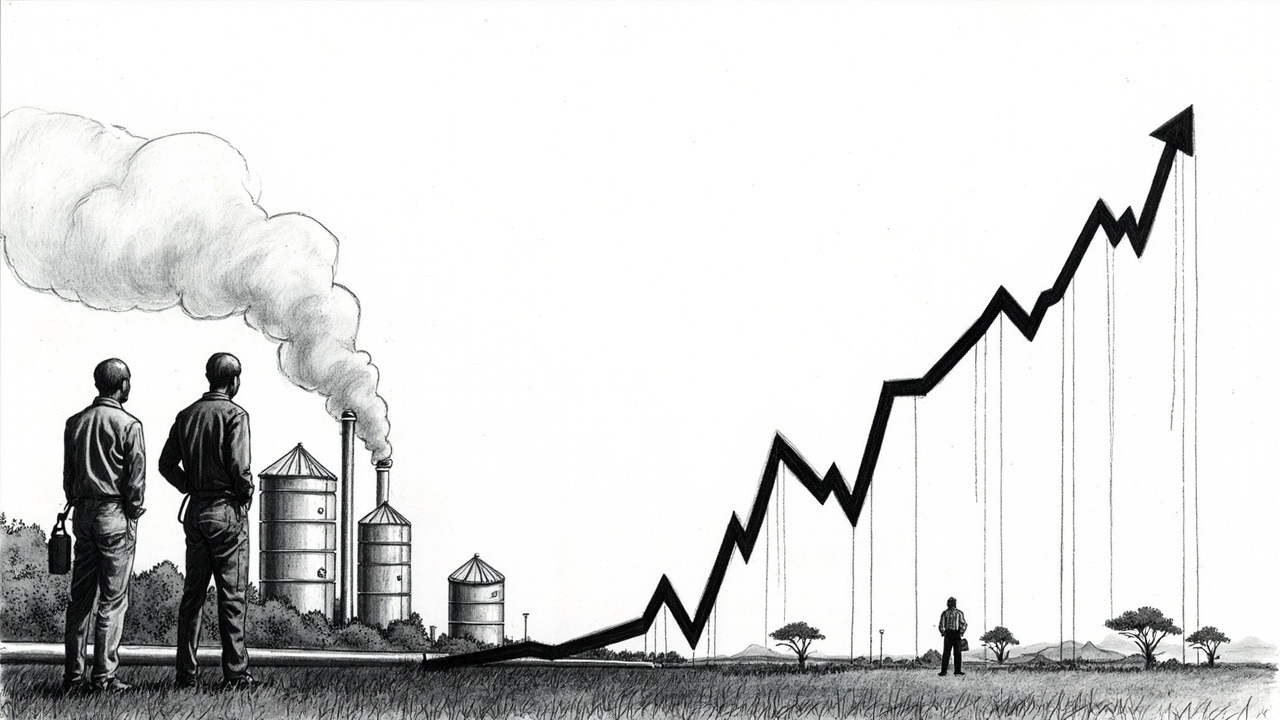
Brent crude fell to $88 a barrel on April 17, down 11% from over $98 earlier that day. The drop followed Iran's statement that the Strait of Hormuz would stay open during a conditional ceasefire. For Kenya, the swing exposes a flaw in its fuel pricing model.
The Energy and Petroleum Regulatory Authority (Epra) had just raised diesel prices by 40 shillings to 206 shillings per litre. Petrol went up by 28 shillings. These April 2026 adjustments, reported by Africanews, reflected earlier global price spikes from the US-Israel-Iran conflict. But Epra's monthly review system creates a lag. Kenyans now pay for last month's expensive shipments while cheaper oil arrives.
Subsidy math versus market timing
Kenya's fuel stabilization fund covers the gap between landed costs and set retail prices. When global prices rise, the government borrows to pay the difference. When they fall, the fund should recover. But Epra's monthly reviews don't match tanker arrivals.
This week's price drop means cheaper shipments will reach Kenya in May. Consumers won't see lower prices until June. Meanwhile, the government's subsidy debt grows.
The real risk is Nairobi's ability to manage this model through volatile cycles. One oil trader told Reuters, 'Do we actually get a prolonged ceasefire and a strait reopening? I don't know.' Epra must set prices assuming disruption could return before its next review.
Structural inefficiencies
Kenya's fuel market is fragmented. Importers, refiners, and retailers have different costs and limited price transparency. The price control system is too rigid to pass on spot market savings.
When global prices drop 11% in a day, potential savings are lost in the monthly review cycle. Small businesses and transport companies feel the pain. They must absorb Epra's monthly adjustments as fixed costs. They can't negotiate bulk discounts or switch providers when global prices fall.
Investors should watch Kenya's energy import bill and shilling stability, not just Brent prices. Epra's model shifts volatility from global markets to the government's balance sheet. When oil drops, the Treasury should recover stabilization funds. The lag means it misses the chance.
Expect continued pressure on Kenya's current account deficit, even when global oil moves in its favor. The system needs real-time pricing updates, not monthly reviews of old data.