Kenya Fuel Prices Drop in EPRA Monthly Review

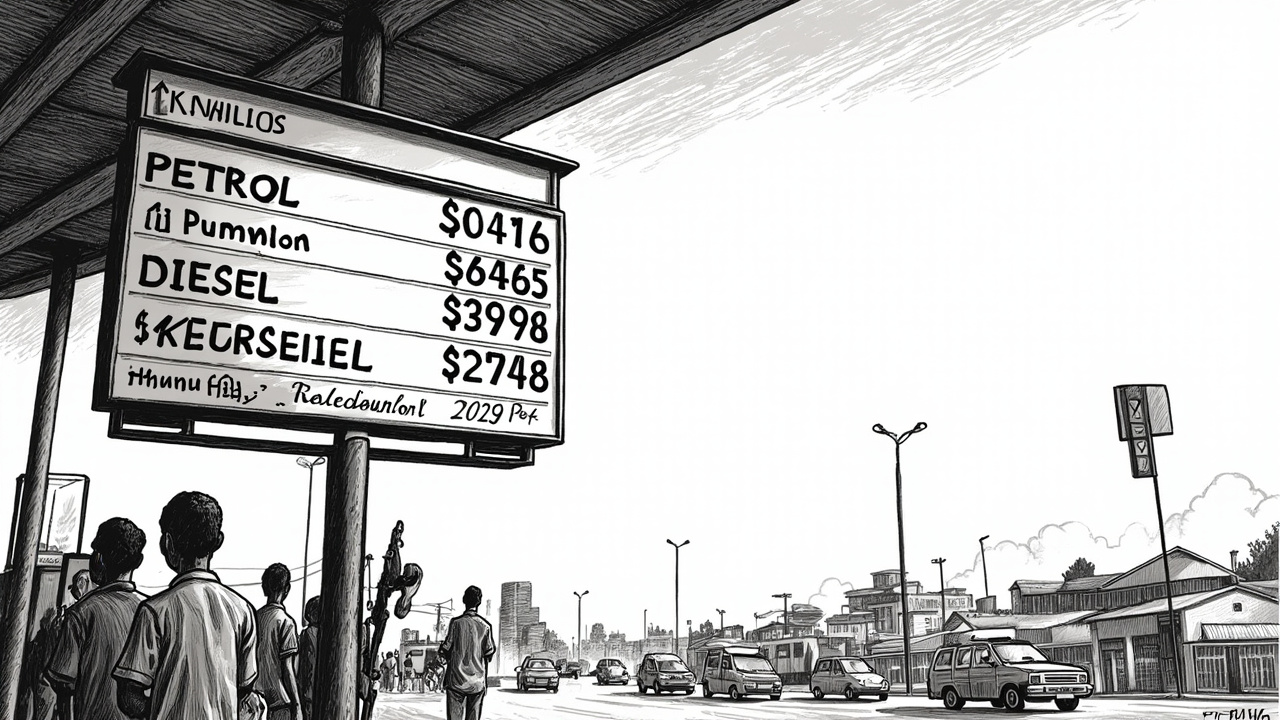
Fuel Prices Fall Across Kenya
Kenya's Energy and Petroleum Regulatory Authority (EPRA) cut petrol, diesel, and kerosene prices effective midnight on March 14, 2024. Super petrol now retails at Sh182.52 per litre. Diesel sells for Sh170.47 per litre. Kerosene costs Sh153.78 per litre. These prices will remain fixed for 30 days. EPRA announced the reductions in a public statement. The authority reviews fuel prices monthly under Kenya's Petroleum Pricing Regulations of 2010.
Why Prices Dropped
EPRA sets fuel prices using a formula. It considers international crude oil costs, shipping rates, and exchange rates. The Kenyan shilling strengthened against the US dollar in recent weeks. The shilling traded at Sh130 to the dollar in early March. That is up from Sh160 in January 2024. Global crude oil prices also moderated. Brent crude averaged $82 per barrel in March. That is down from $85 in February. Lower import costs allowed EPRA to pass savings to consumers.
Immediate Impact on Consumers
Motorists will save money immediately. A typical car with a 50-litre tank costs Sh9,126 to fill with petrol. That is Sh150 less than last month. Public transport fares may drop slightly. Matatu operators often adjust fares when fuel prices change. Households using kerosene for lighting and cooking will benefit most. Kerosene is crucial for low-income families. About 15% of Kenyan households rely on kerosene for lighting according to Kenya National Bureau of Statistics 2023 data. The price cut provides direct relief.
Business Sector Reactions
Transport and logistics companies welcome the reduction. Diesel powers most commercial vehicles. Kenya's transport sector consumes over 60% of diesel according to EPRA's 2022 Energy Report. Companies like Multiple Hauliers and Express Kenya Ltd face lower operating costs. Manufacturing firms also benefit. Many use diesel generators during power outages. The Kenya Association of Manufacturers reported in 2023 that 40% of members rely on backup generators. Lower diesel prices reduce production expenses.
Why It Matters
Fuel prices affect Kenya's entire economy. Transport costs influence food prices. Lower diesel costs can reduce inflation. Kenya's inflation rate was 6.3% in February 2024 according to the Kenya National Bureau of Statistics. Fuel comprises 8.5% of the Consumer Price Index basket. Cheaper kerosene helps poor households. It improves living standards and reduces energy poverty. The price drop also supports business competitiveness. Lower logistics costs make Kenyan exports more attractive. This matters for agricultural exports like tea and flowers.
Government Revenue Implications
Fuel taxes provide significant government income. Kenya charges excise duty, VAT, and the Petroleum Development Levy on fuel. The Petroleum Development Levy funds road maintenance and strategic reserves. EPRA's pricing includes these taxes. Lower base prices might reduce tax collection if consumption does not increase. The Kenya Revenue Authority collected Sh145 billion from fuel taxes in the first half of the 2023/2024 fiscal year. That was 18% of total tax revenue. The National Treasury monitors these figures closely.
What Businesses Should Watch
Companies should track global oil markets. Prices could rise again next month. The OPEC+ group meets in April 2024. Production decisions will affect costs. Businesses should also watch the Kenyan shilling. Its stability against the dollar matters for import pricing. The Central Bank of Kenya holds its Monetary Policy Committee meeting on April 3, 2024. Interest rate decisions influence exchange rates. Logistics firms should plan for potential fare adjustments. They must balance customer expectations with cost savings.
Long-Term Energy Trends
Kenya is shifting toward renewable energy. The government aims for 100% clean energy by 2030. Solar and wind power are expanding. Geothermal already provides 40% of electricity according to Kenya Power's 2023 report. Electric vehicles are gaining traction. Companies like BasiGo and Roam Electric are deploying electric buses. These trends may reduce fossil fuel dependence over time. But petrol and diesel will remain important for years. EPRA's monthly reviews will continue affecting daily life and business.
Next Steps for Stakeholders
Consumers should budget carefully. Fuel prices change monthly. Businesses should review their energy contracts. Some companies lock in prices through bulk purchasing. The Petroleum Institute of East Africa offers guidance on fuel management. Investors should monitor oil marketing companies. Firms like TotalEnergies Marketing Kenya and Vivo Energy Kenya operate many stations. Their sales volumes may increase with lower prices. The government must maintain strategic petroleum reserves. EPRA manages a 90-day reserve under the Energy Act of 2019. This buffer protects against supply shocks.