Kenya Fuel Price Surge Tests Ruto's G2G Strategy, Risks Unrest

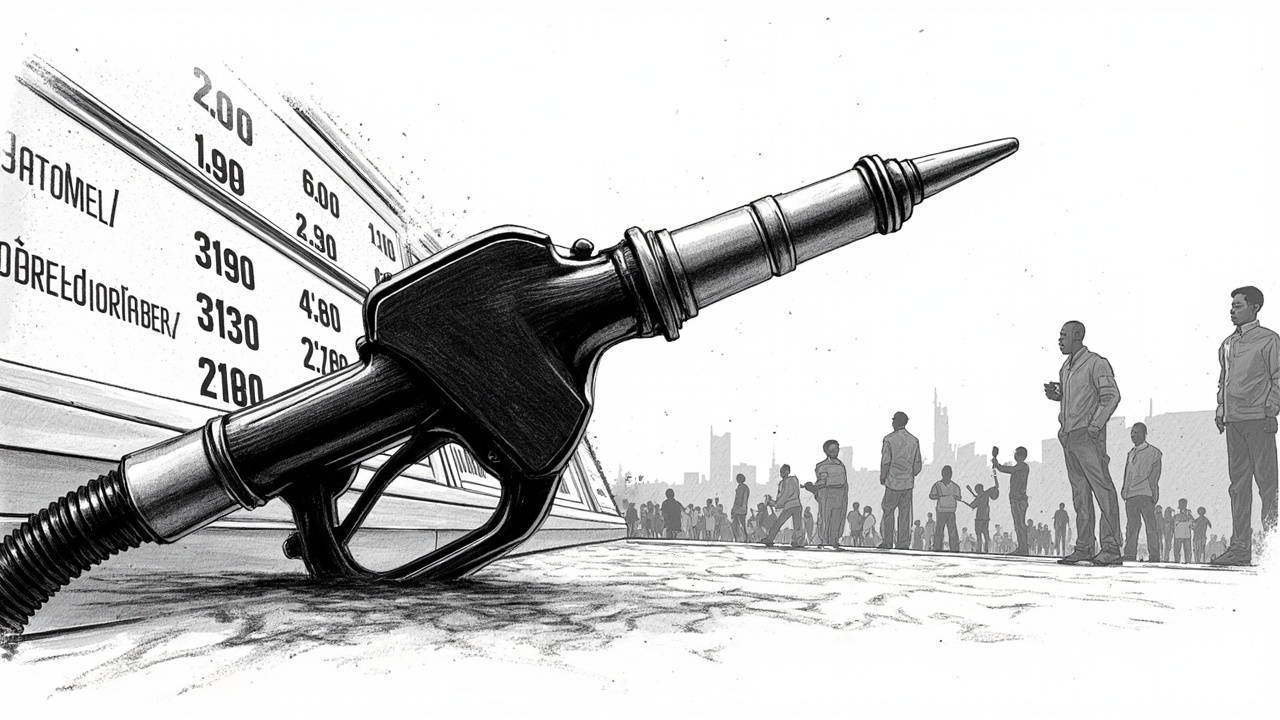
Kenya's fuel prices have broken the Sh200 per litre mark, according to Eastleigh Voice. President William Ruto defends his Government-to-Government import framework. He claims it cushions Kenyans and stabilizes supply, per Capital FM. The political opposition demands an emergency parliamentary sitting. This is a direct test of economic policy and political stability. Investors must watch three things: the G2G deal's real terms, the threat of renewed street protests, and the strain on household spending that hits corporate revenues.
the g2g gamble and political risk
President Ruto's G2G fuel import scheme is the centerpiece of his response. The program replaced open tenders with direct state-backed deals, primarily with Gulf suppliers. The government says it secured longer credit periods and stabilized foreign exchange demand. Critics argue it removed transparency and competition, potentially locking in higher costs. The opposition is now forcing the issue into Parliament, according to Capital FM. This creates legislative risk. Any inquiry could expose the deal's financial terms, pressure the shilling, or force a policy reversal. The political noise alone may deter near-term investment in energy-dependent sectors. I see this as a fragile compromise. It trades short-term supply reliability for long-term fiscal opacity.economic spillover and investor calculus
Every shilling added to the pump price lifts transport, manufacturing, and agriculture costs. Consumers will cut discretionary spending. The Standard reports this crisis threatens to revive the cost-of-living pressures that powered the 2024 Gen Z demonstrations. That protest wave nearly crippled the administration. The risk of renewed social unrest is a direct threat to operations and supply chains. Companies with thin margins and high logistics exposure, like retailers and fast-moving consumer goods firms, will feel the pinch first. Expect downward revisions to GDP growth forecasts if this persists beyond one quarter. The secondary effect is on Kenya's regional trade ambitions under the AfCFTA. How can Nairobi champion integrated markets when a basic commodity like fuel triggers domestic instability? It exposes the gap between pan-African rhetoric and local governance reality.The G2G model is now a political and economic fault line. Ruto bets that supply stability outweighs price pain. The opposition and street sentiment disagree. For investors, the immediate play is defensive. Watch companies with strong pricing power and low fuel dependency. The broader lesson is about policy credibility. Ad-hoc interventions like the G2G deal can solve one crisis but plant the seeds for the next. Kenya's business environment remains hostage to global oil prices and a volatile political consensus. The next few parliamentary sessions will signal whether this administration bends or breaks.