Markets
Kenya markets face fuel price spillover from Tanzania hike

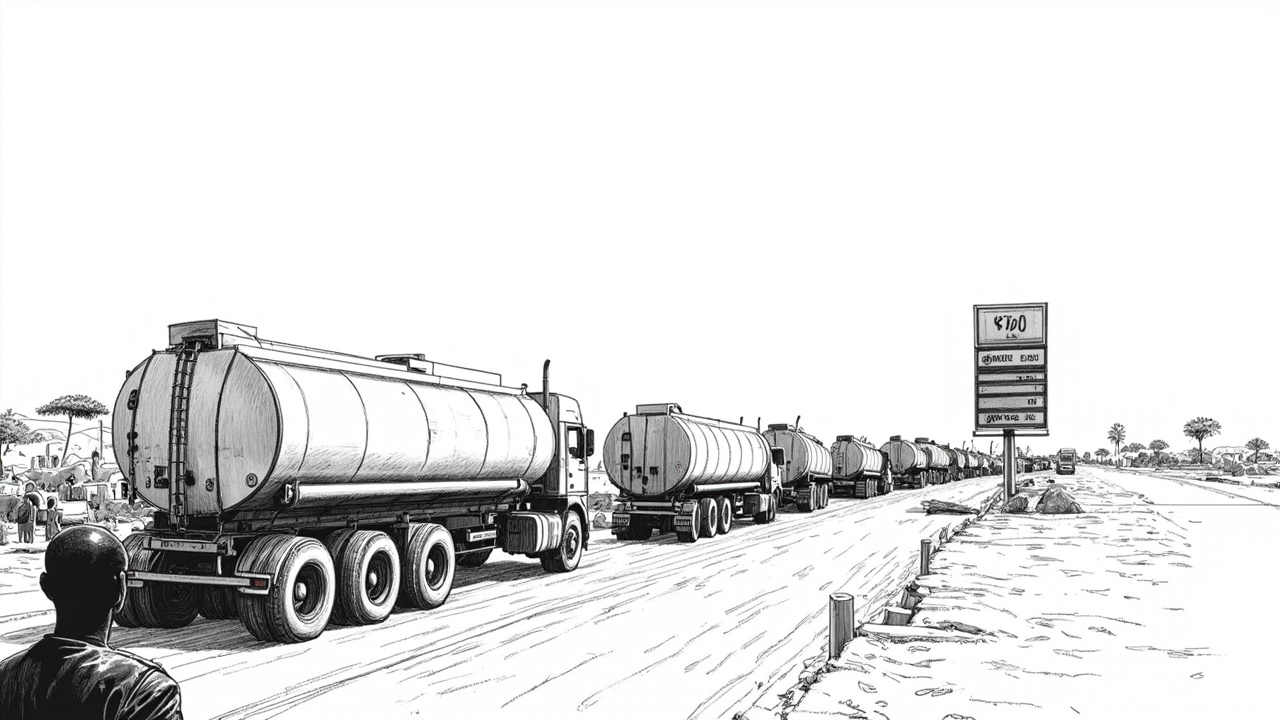
Tanzania's fuel price adjustment pressures Kenya's own subsidy calculus. The Energy and Water Utilities Regulatory Authority (EWURA) raised its price caps on April 1, 2026, blaming global supply chain fractures according to Capital Business. Attacks on oil infrastructure and a closed Strait of Hormuz are the stated causes. For Nairobi, the move is a direct test of regional market integration. Tanzania's price signal will leak across the border, complicating Kenya's own price stabilization efforts. Expect Kenya's Energy and Petroleum Regulatory Authority (EPRA) to face tougher decisions in its next monthly review.
price controls and regional dissonance
EWURA's directive to retailers underscores a reactive regulatory stance common across East Africa per Africa Press. Tanzania cites a shortage of cargo ships and spiking insurance costs. Kenya's EPRA uses a similar formula, but with a more aggressive subsidy element. The risk is a subsidy arbitrage where cross-border fuel smuggling increases, draining Kenyan public coffers. This exposes the shallow harmonization of the East African Community's common market protocol. When external shocks hit, national interest trumps regional policy. Investors in logistics and retail must now price in higher inter-country differentials and regulatory unpredictability.investor implications and quiet beneficiaries
Transport and manufacturing sectors in Kenya's industrial corridors will absorb the hit. The second-order effect is broader inflationary pressure, threatening the Central Bank of Kenya's disinflation path. The quiet beneficiaries are firms with strategic fuel reserves or those investing in alternative energy infrastructure. The situation suggests that pan-African supply chain resilience is a myth. A conflict in the Gulf still strangles energy costs in Dar es Salaam and Nairobi. For portfolio managers, this is a call to underweight consumer discretionary stocks in the region. It is also a reason to scrutinize government balance sheets for escalating subsidy burdens. The AfCFTA's promise of integrated markets falters when core commodities like fuel remain subject to unilateral state controls.TOPICS
EPRAfuel subsidyenergy inflationEast Africa communitysupply chain disruptiongeopolitical riskregulatory arbitrage