Kenya fuel price freeze tests market as supply shortages bite

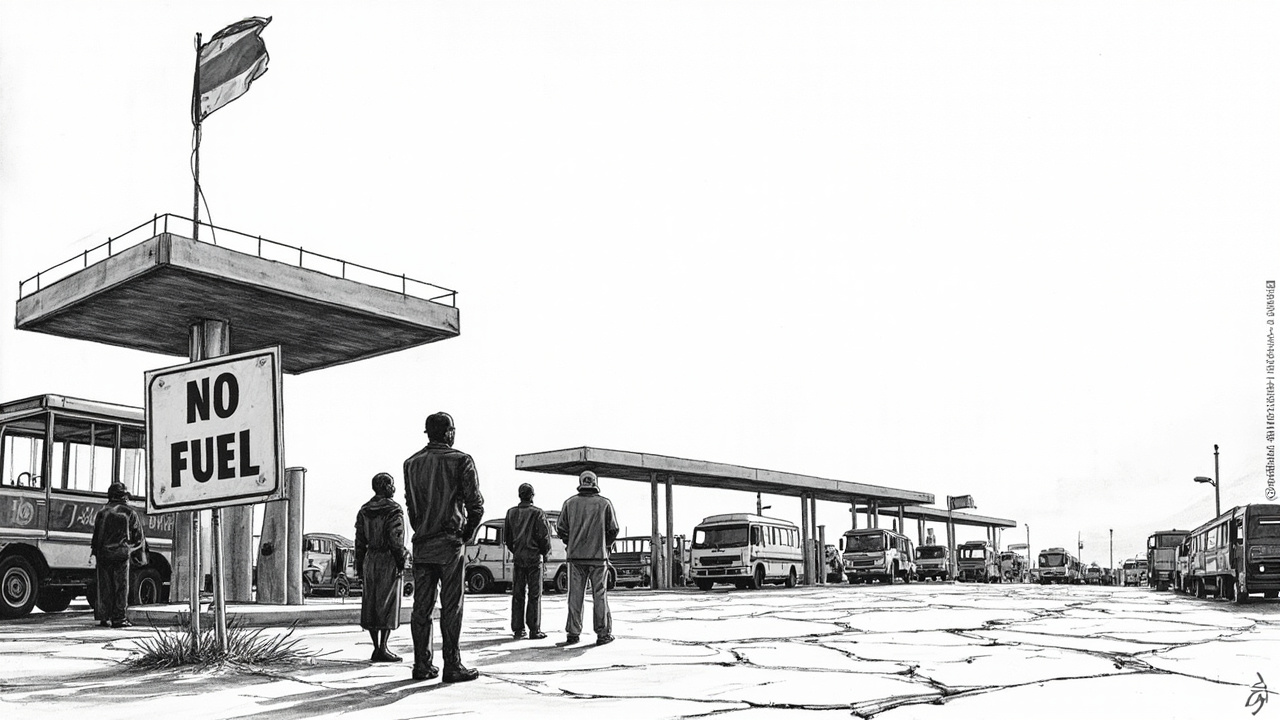
About 20% of independent fuel stations in Kenya have no petrol to sell as of March 24, 2026. This is a policy-made crisis. The Energy and Petroleum Regulatory Authority (EPRA) froze pump prices while global oil costs climbed. Retailers now sell at a loss. The immediate pain for investors in downstream energy is clear.
The price control mechanism backfires
EPRA's monthly price cap creates a direct loss for importers. According to Reuters, the supply issue started when the regulator held prices steady even as international benchmarks rose. Independent retailers, who run on thin margins, cannot absorb the gap. Their trade group warned of shortages last week. The government's public statements about stability ignore this math. I expect EPRA to adjust prices within weeks, or we will see more stations close.
Winners, losers, and quiet consolidation
Independent dealers lose money first. Major oil marketers with deeper cash reserves and longer credit lines can wait it out. They are already operating with limited stocks, per Standard Media. The real risk is a market shakeout. Smaller players exit, and larger firms gain their market share. This is not about Iran's maritime stance. It is about a Kenyan policy that distorts competition. Investors should watch which major marketers quietly add more service stations to their networks.
A regional integration stress test
Kenya fuels landlocked neighbors like Uganda and Rwanda. Shortages in Nairobi disrupt East African Community trade corridors. The Africa Continental Free Trade Area (AfCFTA) promises seamless movement of goods, but one regulator's price freeze can stop fuel trucks at the border. This episode shows how national policy beats regional harmony. It makes me question whether AfCFTA's energy protocols are enforceable. For investors, cross-border supply chain bets in East Africa now have higher regulatory risk.
EPRA must choose between political price stability and market reality. Its next move signals Kenya's commitment to a predictable investment climate. Watch for a price adjustment by April 2026. If it does not happen, expect more station closures and imported inflation from a weaker shilling. The Iran war is just the backdrop; the real fight is in Nairobi's regulatory offices.