Kenya Fuel Supply Risk Rises as South Korea Shields Economy

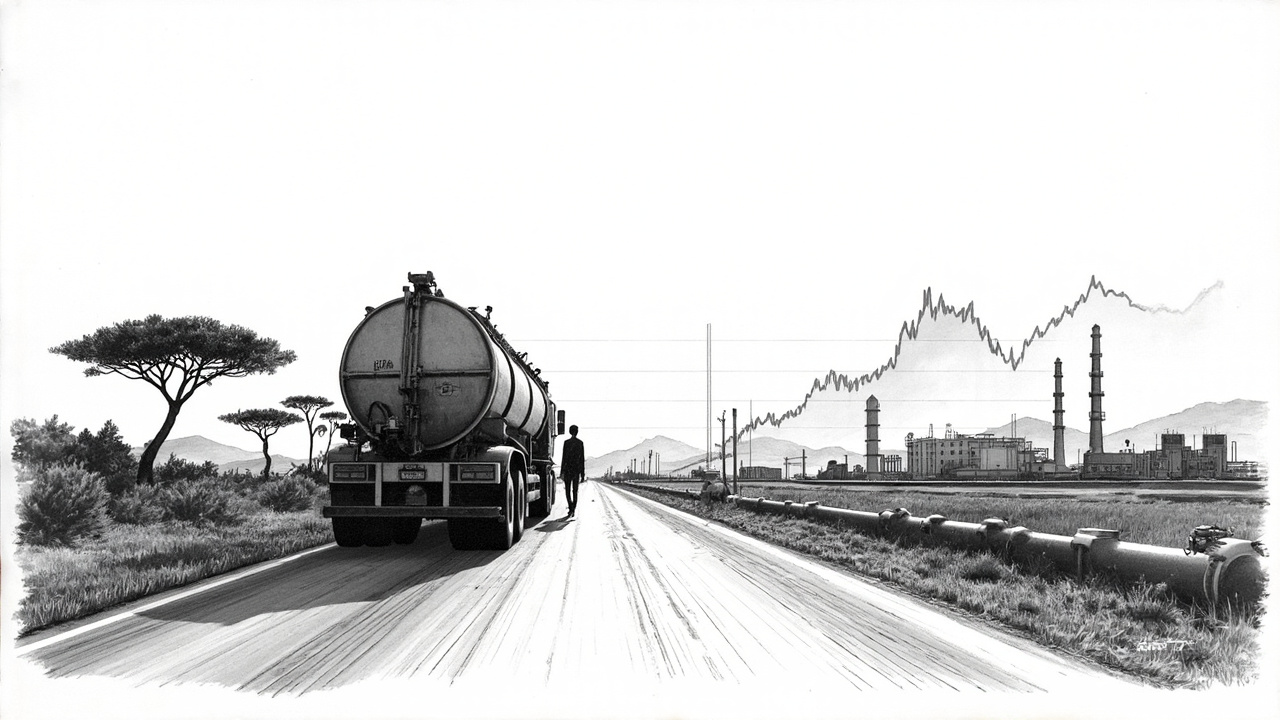
South Korea's decision to slash fuel taxes this Friday shields its domestic economy. For Kenya, the move flashes a warning sign. When a major importer uses fiscal weight to insulate itself from Middle East conflict, it distorts the market for everyone else. Kenya's complete fuel import dependence is its core weakness, sourcing all its fuel from the Middle East through government-to-government deals according to Reuters. Retailers there already report constrained supply from the same conflict.
Import reliance meets fragile distribution
Kenya's fuel market is a fragile system. Independent retailers and transporters, represented by an association whose spokesperson is named Chomba, serve 68% of the national market per Reuters. These players are most vulnerable to supply shocks. They lack the balance sheets of multinational majors to hedge or absorb delays. The Kenya Energy Petroleum Regulatory Authority (EPRA) sets prices, but it cannot conjure physical barrels. Its next pricing review tests political will against economic reality.
From pump prices to GDP impact
The danger extends beyond higher pump prices. It threatens operational failure for a critical chunk of the distribution network. If independent stations run dry, their 68% market share becomes a national logistics crisis. Transport, agriculture, and manufacturing would seize up. This scenario hits GDP growth forecasts for 2026 directly. Investors in Kenyan consumer and industrial stocks must scrutinize quarterly guidance for freight and input cost warnings. A second-order effect is inflationary pressure that could force the Central Bank of Kenya's hand on rates, tightening conditions across the board.
A structural flaw no formula fixes
South Korea's tax cut expansion, to 15% for gasoline and 25% for diesel according to Reuters, is a temporary fix. Kenya's problem is permanent. This episode shreds the narrative of pan-African energy integration under AfCFTA. The absence of refined product pipelines from Angola or Nigeria and a strategic regional stockpile makes the union's energy goals hollow. Kenya's total import dependence is a structural weakness no single pricing formula can fix. Expect margin compression for fuel marketers and upward pressure on Kenya's import bill. Until Kenya develops alternate supply corridors, its GDP growth remains hostage to Persian Gulf geopolitics.