Kenya's EV fleet bet: cost-saving move or political optics?

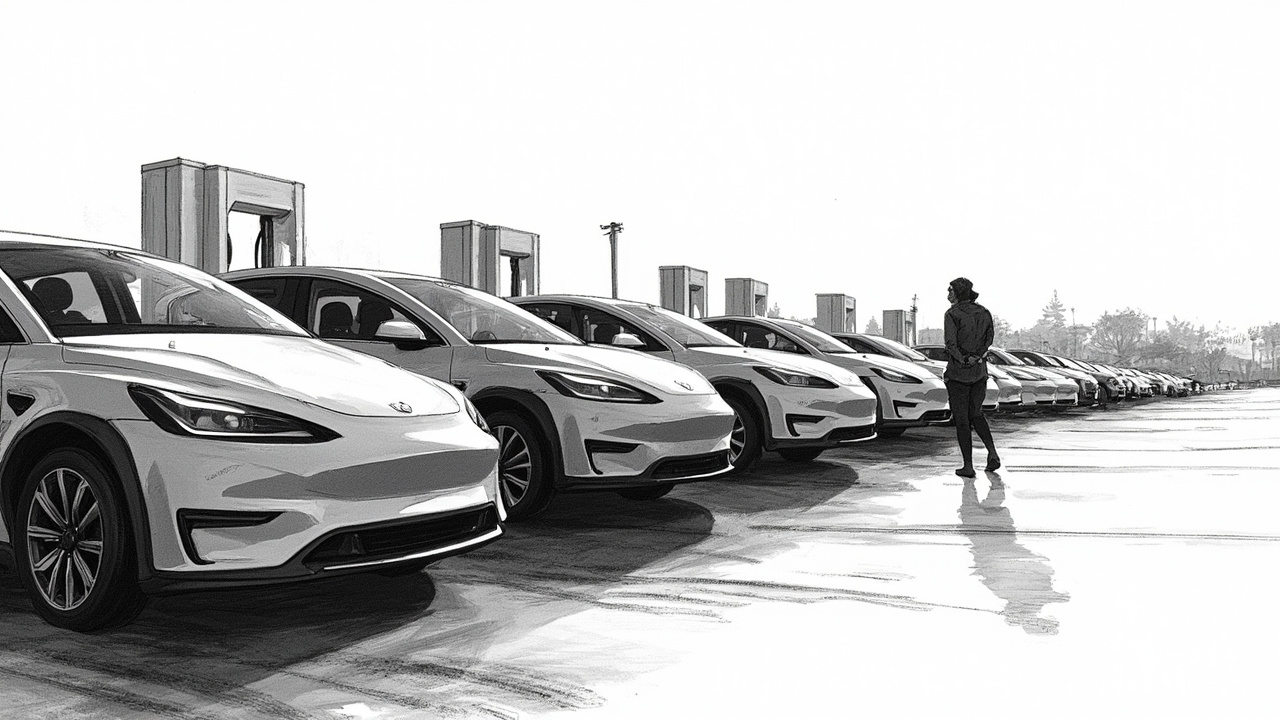
Kenya's Treasury wants to lease 600 electric vehicles and install 70 fast chargers. The stated reason: escape high fuel prices that are crushing citizens. The unstated question: does this actually save taxpayer money, or is it a political distraction?
Let me be blunt. The government is one of Kenya's largest fuel consumers. Shifting its own fleet to electric cuts its petrol bill. That's a direct budget win for the Treasury. But the savings evaporate if the lease costs more than the fuel being replaced.
The real cost of leasing vs. fuel savings
The plan, reported by The Standard, comes as millions of Kenyans struggle with pump prices that President Ruto defends as a consequence of middle-income status. The economics of this fleet swap depend on two numbers nobody has released: the lease per vehicle and the projected fuel savings.
A typical DC fast charger costs between KSh 2 million and KSh 5 million installed. Multiply by 70, and you're looking at KSh 140-350 million in charging infrastructure alone. That's before leasing 600 EVs, each likely running KSh 100,000-200,000 per month. The total bill could exceed KSh 1 billion annually.
The government says it will save on fuel. But diesel imports already eat a chunk of foreign exchange. Switching to electricity shifts the cost from imported fuel to domestic electricity generation, which still relies on thermal plants during dry seasons. The net foreign exchange impact may be neutral or even negative if charging demand forces more diesel-fired power.
Kenya's National Electric Mobility (e-Mobility) Policy was launched by the Ministry of Roads and Transport on February 3, 2026, according to Down To Earth. That policy signals long-term commitment to electric transport, but this fleet lease looks like a rushed procurement to show action. Fast chargers are expensive, and if the vehicles are leased from a single vendor, taxpayers could be locked into a costly contract.
Who wins, who loses in Kenya's shift to electric
The obvious winners are EV leasing companies and charging infrastructure suppliers. Expect a competitive tender, but the contract size, 600 vehicles, is large enough to attract international EV makers like BYD or local assemblers like Associated Vehicle Assemblers. The losers? Petrol station owners in Nairobi who rely on government fuel purchases. Also diesel suppliers to the current fleet.
But the bigger loser may be the average Kenyan. The government is spending millions on its own EV transition while fuel taxes remain high. Pump prices stay elevated partly because of the fuel levy that funds road maintenance. The Treasury hasn't said whether the EV fleet will pay a road usage charge. If not, other road users will keep subsidizing government vehicles.
I see a second-order risk. If the lease payments are structured as a public-private partnership, the government could end up paying high capital costs plus interest over five to seven years. That's exactly the kind of opaque fiscal commitment that Kenya's Auditor General flags in procurement reports. Transparent tender terms are essential, and investors should watch for disclosures in the next budget.
Also worth asking: how will the government charge these 600 vehicles? 70 DC chargers across Nairobi and a few other cities is thin. Each charger can serve maybe 10-15 vehicles per day if fast enough. That's 700-1,050 vehicle charges daily, barely covering the fleet. Expect range anxiety for government drivers, or overtime claims when they wait to charge.
The e-mobility policy is a sensible long-term framework. But this specific fleet lease feels like optics over substance. If the Treasury wanted real fuel cost relief, it would cut the fuel levy rather than spend millions on EVs. It did neither, so both taxpayers and the state remain squeezed.
Bottom line: The EV fleet saves fuel but costs money, the question is whether the net is positive. Investors should watch the tender documents for leasing rates and fuel savings projections. If those numbers don't add up, this is a political bet, not a fiscal one.