Kenya's EUDR Coffee Pivot Tests Smallholder Tech Margins

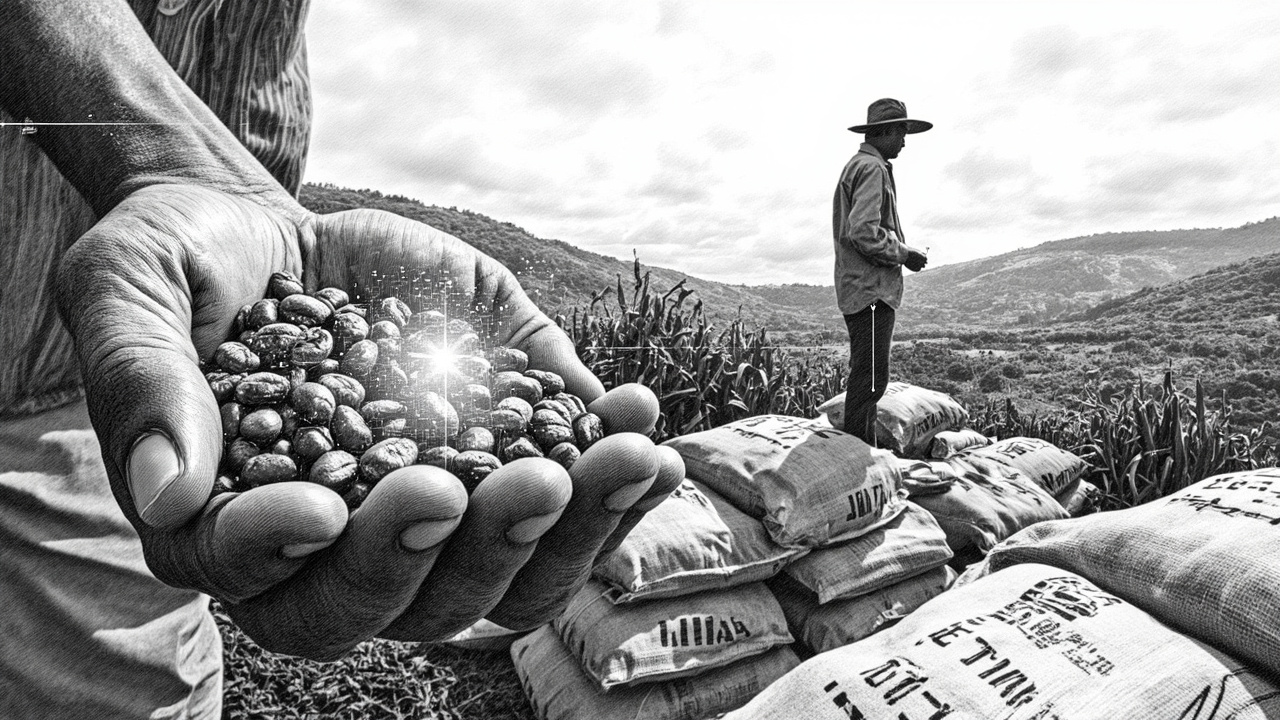
Kenya's first direct, deforestation-compliant coffee shipment to Poland is a tiny deal with a large invoice. The 320-bag consignment, worth Sh25 million, meets new EU rules but tests a costly tech stack built for smallholder farmers. This pivot from indirect to direct trade asks if Kenya's farmers can afford the compliance bill, or if the sector will consolidate around large estates and SaaS providers.
The compliance stack is a new cost center
EUDR compliance runs on digital traceability and geolocation mapping. For the exporter, this means automated due diligence systems that track beans from farm to port. According to a guide for Kenyan exporters, this tech stack is now mandatory for EU market access. The immediate question isn't capability but cost. Smallholder cooperatives, which produce a large share of Kenya's coffee, now face a new operational expense layered on old logistics headaches. This creates a classic SaaS adoption problem: the software is necessary, but the per-unit cost can erase thin margins. The real beneficiary here is the agri-tech provider, not necessarily the farmer. The initial shipment to Poland demonstrates technical feasibility, but the recurring expense of maintaining digital ledgers, verifying geolocation data, and conducting risk assessments represents a sustained financial burden. For smallholder collectives operating on narrow margins, this could mean the difference between profitability and loss, forcing a reevaluation of their participation in the premium EU market.
Direct trade exposes a fragile supply chain
Shifting from indirect auctions in Mombasa to direct sales cuts out intermediaries, but it doesn't eliminate friction. Direct contracts require farmers or their cooperatives to manage compliance data, shipping logistics, and buyer relationships directly. That's a capability gap. Most smallholders lack the administrative bandwidth and technical expertise to handle these complex requirements autonomously. The risk is a two-tier market: large, tech-savvy estates locking in premium EU buyers, while smallholders get relegated to lower-value, non-EU markets. This first shipment to Poland is a pilot. Scaling it across thousands of small farms is a different challenge. Expect consolidation pressure as compliance costs rise. The move to direct trade, while potentially increasing the share of the final price reaching farmers, simultaneously demands significant upfront investment in skills and systems—a paradox that could leave the most vulnerable producers behind. The logistical chain, from collection centers to international ports, must now be digitally mirrored, a task that exposes every manual or paper-based link as a point of failure.
Investor implications: follow the tech money
The investment angle here isn't in coffee futures, but in the compliance infrastructure. Firms providing traceability software, geolocation services, and automated reporting for EUDR are the quiet winners. These platforms, similar to the digital marketplace models of companies like Twiga Foods, represent the real value capture in this regulatory shift. For coffee producers, the calculus changes. Their operational viability now depends on managing a digital paper trail. One bad data upload could block an entire shipment. This introduces a new operational risk factor that lenders and investors must price in. I'm skeptical of blanket bullishness on Kenyan coffee exports. The premium paid for EUDR-compliant coffee must first cover the tech tax, and that math doesn't work for everyone. Watch for churn, not of customers, but of small farmers exiting the EU supply chain because the recurring cost of compliance software and services is too high.
The 320-bag shipment is a signal, not a shift. It shows Kenya can technically comply. The unanswered question is whether its fragmented smallholder system can economically comply. Other major African coffee exporters to the EU, including Uganda and Ethiopia, now face the same tech cost dilemma. The second-order effect could be accelerated land consolidation, as economies of scale in compliance favor bigger players who can amortize fixed technology costs over larger volumes. Alternatively, we may see the rise of new service models where tech providers or exporters manage compliance on behalf of farmer groups for a fee, further squeezing margins. That's the real trade brewing: not just bags of coffee, but the fundamental structure of the industry, rewired by a digital compliance mandate from Brussels.