Kenya Diesel Spike Squeezes Transport, Hits Inflation Target

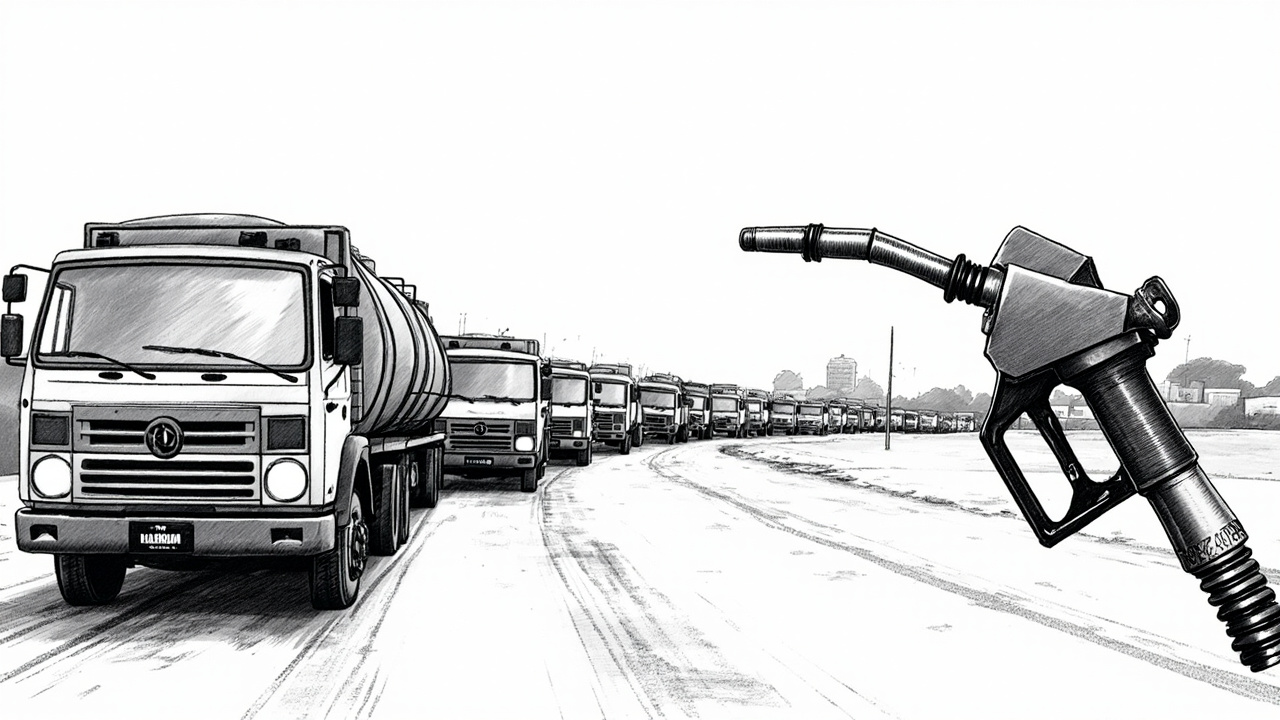
EPRA pushed diesel up by Sh46.29 per litre for the May-June cycle, a jump three times the petrol increase. Kerosene stayed flat, a sign of political pressure points. Diesel powers trucks, buses, generators, and farm machinery. This is a structural cost shift onto every business that depends on road transport.
The landed cost of imported super petrol rose 6% over the previous cycle, per EPRA. That explains the official rationale. But it does not explain the asymmetry: petrol increased by Sh16.65 per litre, diesel more than doubled. The difference suggests EPRA either expects diesel demand to be less price-sensitive, or is protecting kerosene consumers at the expense of the commercial sector. Either way, freight operators pay.
Transport costs ripple through supply chains
Every shilling added to diesel flows straight into the price of food, cement, electronics, and retail goods. Kenya's consumer price index has been under pressure since late 2025, and the central bank has held rates steady. A 46-shilling diesel rise undoes some of that stability. Expect logistics firms to pass through costs within two weeks. Expect supermarket shelves to reflect it by June. The risk is not just higher headline CPI. It is the chilling effect on SME margins that cannot absorb a sudden 5% input cost jump.
Kenya's alternative fuel routes are limited. The Mombasa-Nairobi pipeline handles most bulk diesel, and retail margins are tight. EPRA's pricing formula includes a stabilisation mechanism, but the sheer size of this adjustment suggests the buffer has run dry. Second-order effect: businesses will shift ordering patterns to reduce just-in-time reliance, holding larger inventories to buffer price swings. That ties up working capital.
Who benefits? The taxman, and alternative energy
Higher diesel prices improve the arithmetic for electric mobility and biodiesel blending. Kenya's electric boda boda pilots and bus fleet conversions look cheaper every time diesel jumps. The government's long-term energy transition plan gains policy tailwind, though the immediate pressure is all on cost of living. Also, the Treasury collects VAT and excise duty on every litre. If consumption holds, fuel levy revenue rises, giving the fiscal side some breathing room.
The real loser: the informal transport sector. Matatu owners and long-haul truckers operate on razor-thin margins. A 46-shilling diesel hike can push a daily route from profitable to loss-making. Expect fare increases, route cancellations, and possibly protests. Kenya has seen fuel-related unrest before. The government may need to deploy temporary subsidies on public transport, which would offset some of the fiscal gain.
Cross-border spillovers into East Africa
Kenya is a fuel transit hub for Uganda, Rwanda, South Sudan, and eastern DRC. Higher pump prices in Kenya mean higher transport costs across the Northern Corridor. Ugandan retailers already face their own price pressures; this adds another layer. The AfCFTA promise of seamless goods movement hits a practical wall when fuel costs vary by 30% between Mombasa and Kampala. Harmonising cross-border fuel pricing is still a political fantasy, but the divergence hurts trade volumes.
Expect EPRA to face renewed scrutiny over its pricing formula. The regulator has defended the pass-through mechanism as necessary to keep supply stable. But the optics of a 46-shilling diesel increase while kerosene stays unchanged will fuel accusations of political calculation. Investors should watch for social disruption indicators over the next month. If protests escalate, the government may temporarily cap fuel prices, a move that would disrupt supply chains and create arbitrage opportunities.
The bottom line: Kenya just made its businesses pay for global crude volatility. The diesel spike shows that the country's fuel subsidy exit was never complete; it just moved from the government's books to the consumer's wallet. Expect higher CPI, thinner margins, and new pressure on the shilling as import costs rise.