Kenya's China trade deal: gift or trap?

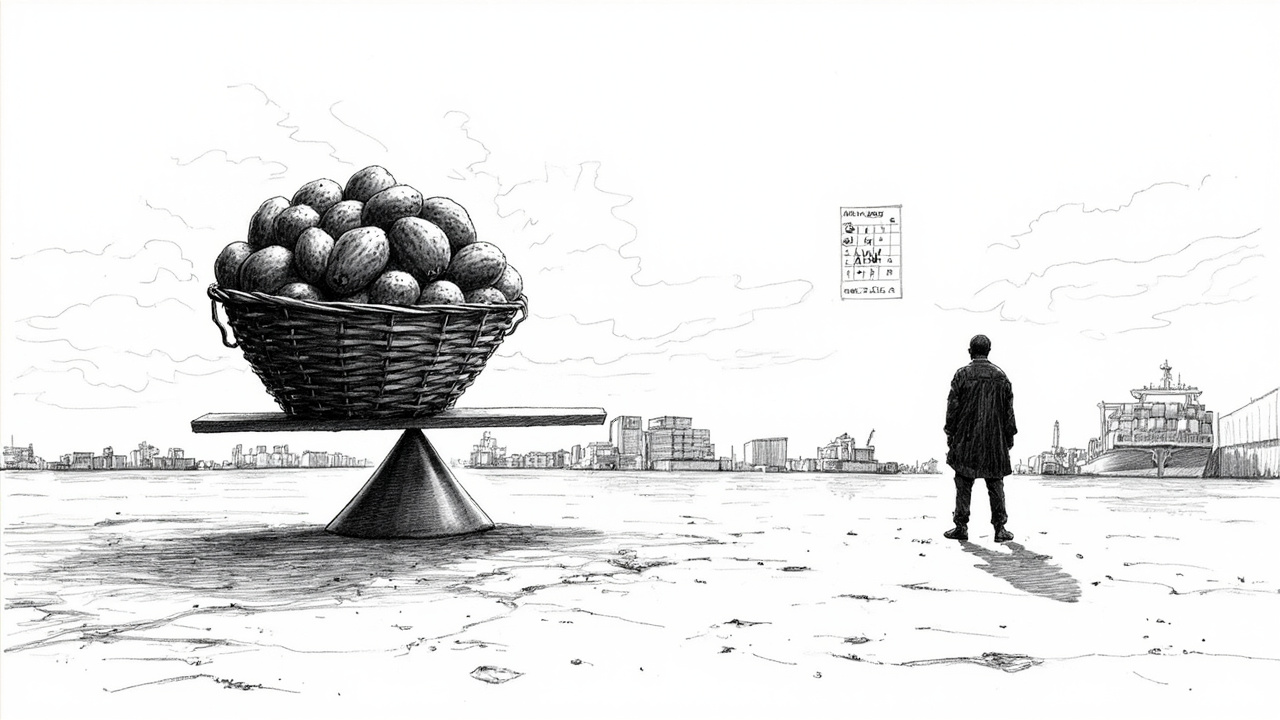
China's offer to scrap tariffs on 53 African nations sounds like a gift. For Kenya, it comes with strings attached.
President William Ruto finalized negotiations on 25 March 2026, and the first shipment of Kenyan goods has already left port, per Reuters. The zero-tariff framework, extended by Beijing to 53 least-developed countries, according to BBC, has a hard stop: 30 April 2028. After that, nobody knows what happens.
That uncertainty is the first thing investors should price in. The deal is not permanent. It is a four-year experiment. If Kenya builds export capacity around tariff-free access and the policy lapses, those investments become stranded assets.
The avocado bet
The clearest winner so far is the avocado sector. The IEA Kenya blog calls it a "big boost." Kenya grows Hass avocados in high season, competing with Mexico and Chile. Zero tariffs improve margins for exporters like members of the Avocado Growers Association of Kenya. But China can flood the market if it chooses. The trade deficit remains large: Kenya imports far more from China than it exports. Lower tariffs on Kenyan goods close the gap only if volumes actually flow.
The real test is whether Kenya moves beyond primary commodities. Avocados are good. Processed goods, dried fruit, oils, and packaged snacks are better. Higher value-add means higher margins and more resilient revenue. If the deal stays limited to raw agricultural produce, Kenya risks becoming a cheap supplier in a monopsony market.
The post-2028 cliff
Every investor in African trade should watch the expiration date. The BBC notes it is "unclear what will happen after" 30 April 2028. That is not a background detail. It is the single most important clause.
China has used tariff waivers as diplomatic tools before, renewing them selectively. If Kenya's exports do not scale fast enough, or if Beijing decides to reward a different partner, the rug gets pulled. The only protection is diversification: building demand in other markets (Europe, AfCFTA corridors) so Kenya is not dependent on one buyer.
Kenya's exporters also face non-tariff barriers. Phytosanitary standards, port congestion in Mombasa, and Chinese import quotas can strangle trade without a tariff in sight. The Kenya Revenue Authority and the Kenya Plant Health Inspectorate Service must clear shipments quickly. Any bottleneck eats the zero-tariff advantage.
What investors should watch
Three things. First, track the trade deficit monthly. If Kenyan exports to China do not grow faster than imports, the deal is a net loss. Second, watch for Chinese investment in cold chain and logistics in Kenya. That would signal real commitment. Third, monitor the 2028 renewal debate. If China starts negotiating extensions early, the risk drops. Silence means trouble.
Kenyan SMEs, especially in fintech and agri-tech, have a narrow window. They can build platforms that connect smallholder farmers to Chinese buyers, but subscription pricing must be affordable. Otherwise churn will mirror the trade deficit: high. The government should push for data portability so farmers are not locked into one platform. Otherwise they swap one gatekeeper for another.
The deal is not bad. It is conditional. Treat it as a four-year option, not a permanent shift. Bet on sectors that can survive a tariff reversal.