Kenya markets weigh chick import ban as flu spreads

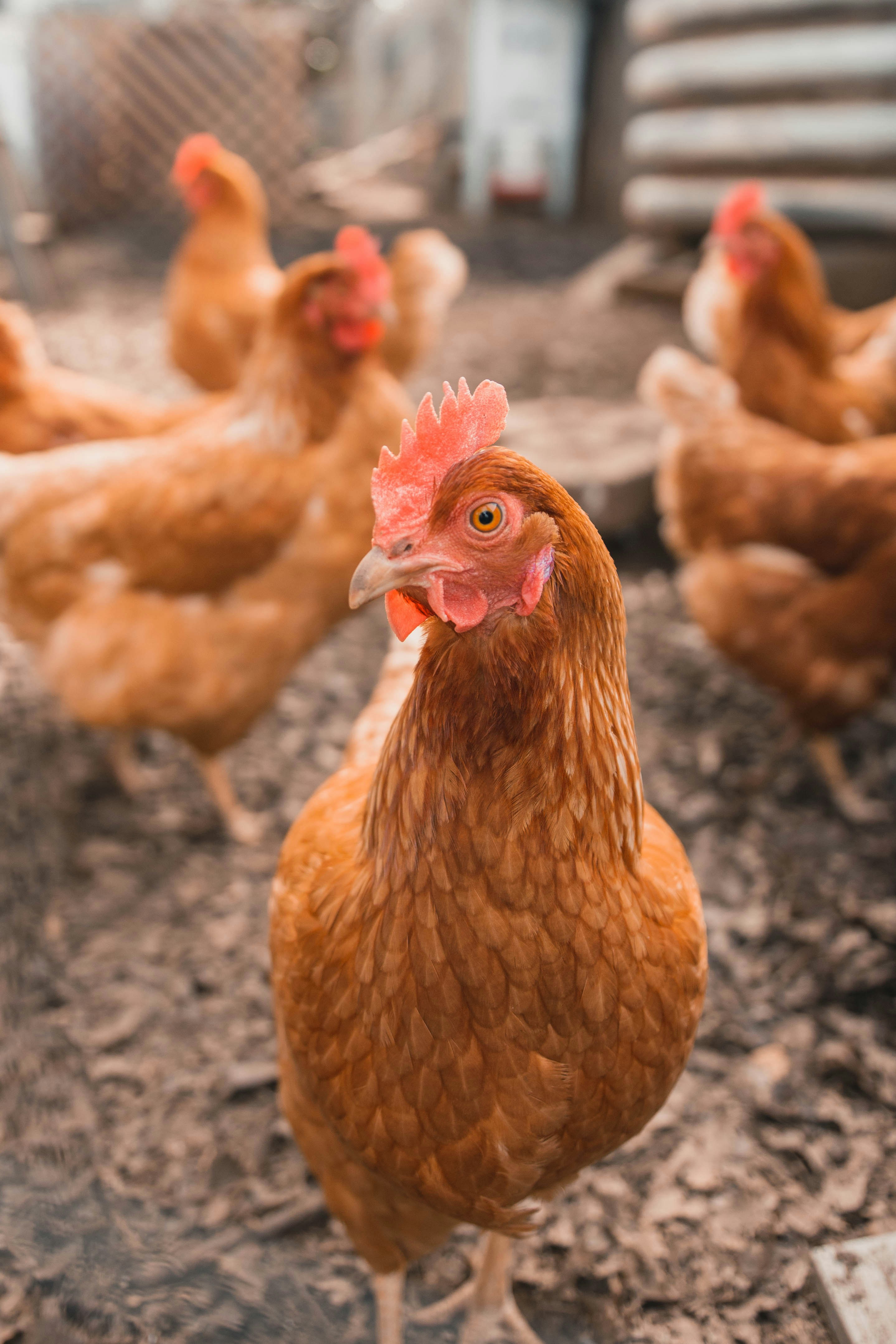
Kenyan poultry farmers want the government to block day-old layer chicks from countries fighting avian influenza. The request landed in Nairobi on October 13. On its face it is a biosecurity plea. Look closer and it is a trade policy fight wearing a lab coat.
The disease risk farmers describe is real. Avian influenza moves in live birds and in the supply chains that carry them. One infected consignment can take out a flock. Kenya's commercial layer operations lean on imported genetics because domestic hatcheries cannot yet supply enough breeding stock to keep laying flocks productive. Blocking imports protects flocks. It also throttles the input that keeps those flocks laying.
A blanket ban goes further than the science
International veterinary trade rules allow countries to restrict imports from infected zones, not from entire countries. That distinction is the whole argument. Kenya's Directorate of Veterinary Services will face pressure from farmers pushing for a country-level ban and from importers and hatchery operators pushing for zone-based restrictions. A blanket ban is faster to announce. It is also harder to defend at the World Trade Organization and harder to enforce at a port where paperwork already moves slowly.
Follow the money. Importers lose their chick supply. Commercial egg producers face higher input costs and delayed flock cycles. Kenyan consumers, who treat eggs as the cheapest animal protein on the shelf, absorb the difference. Domestic hatcheries with parent-stock capacity and cold-chain reach quietly gain pricing power. So does the informal trade. Day-old chicks crossing from Uganda and Tanzania do not stop when a legal channel closes, they just stop being inspected. Expect a formal ban to shift volume, not eliminate it.
The AfCFTA contradiction
This is where the regional integration story gets uncomfortable. The African Continental Free Trade Area is meant to move agricultural inputs across borders with fewer checks and lower costs. Kenya is one of its loudest advocates. When disease risk appears, the reflex is still a national ban rather than a regional surveillance system.
Africa's poultry trade runs on fragmented rules. Each country sets its own sanitary and phytosanitary standards, its own certification, its own approved supplier list. Harmonisation has been promised for years. It has not reached the port of Mombasa. The practical result is that a Kenyan importer cannot easily pivot to a certified supplier in another African country, because that country's veterinary certificate may not be recognised. The AfCFTA protocol on sanitary measures exists on paper. Paper does not clear a consignment, and it does not reassure a farmer watching flocks die.
Veterinary federalism is not a technicality. It is the reason regional trade agreements underdeliver in agriculture while they work reasonably well for manufactured goods. Livestock and poultry sit behind the hardest border measures, and those measures are the last ones governments give up.
What investors should watch
Three signals matter now.
First, the scope of any restriction. A country-level ban tells you politics beat veterinary science, and that regional harmonisation remains rhetorical. A zone-based restriction tells you the Directorate of Veterinary Services won the internal argument.
Second, hatchery capacity. If imports tighten for more than a season, the premium on domestic breeding stock and cold-chain infrastructure rises. Operators with parent-stock facilities become strategically valuable, and acquisition interest follows. That is the quiet winner in this dispute.
Third, surveillance spending. Expect pressure on the Treasury to fund active detection at border points instead of reactive bans. Monitoring is cheap next to a culled flock, and it is the only intervention that does not also raise the cost of production.
The blunt verdict: Kenya cannot control avian influenza with import bans alone. Viruses do not respect customs posts, and traders route around them faster than regulators can respond. If Nairobi wants a poultry sector that scales, it needs recognised zoning, regional certification, and enough domestic breeding capacity to survive a bad season. Until then, every outbreak headline produces the same request, the same ban, and the same higher price for the consumer.