Kenya's Gikomba Market to Receive Title Deed in 90 Days

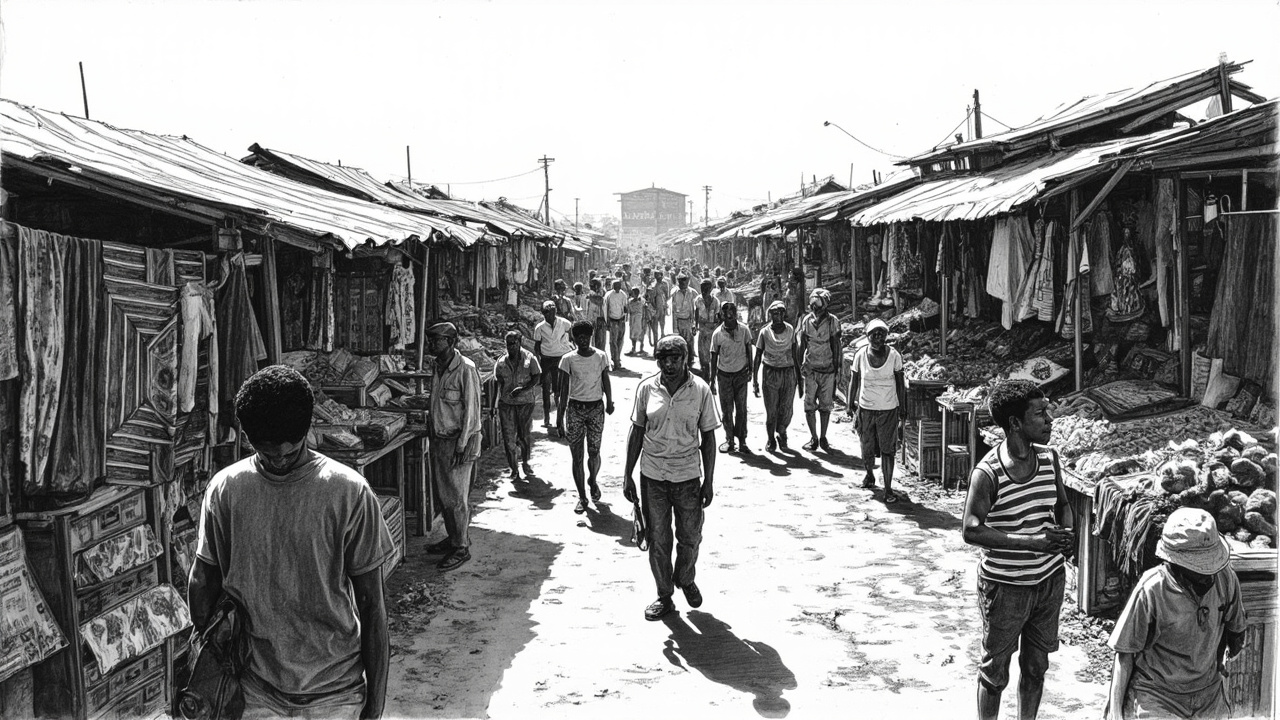
President William Ruto announced on January 21 that the Kenyan government will process a title deed for Nairobi's Gikomba Market within 90 days. The President stated the market sits on public land. The title will be issued in the name of Nairobi County Government. This move aims to resolve long-standing ownership disputes.
The Gikomba Market Context
Gikomba Market is Nairobi's largest open-air market. It covers approximately 20 acres in the city's Eastlands area. The market handles over 70% of Nairobi's second-hand clothing trade. It also sells household goods, electronics, and fresh produce. Daily transactions exceed 500 million Kenyan shillings ($3.9 million). The market employs more than 50,000 traders directly. It supports another 200,000 people through related services like transport and food vending.Ownership of the land has been contested for decades. Multiple groups have claimed rights to the property. These include county officials, national government agencies, and private developers. The lack of clear title has hindered infrastructure investment. Traders operate in makeshift stalls with limited access to water and sanitation. Fire outbreaks have occurred frequently. The most recent major fire in 2021 destroyed goods worth 300 million Kenyan shillings ($2.3 million).
The Presidential Directive
President Ruto made the announcement during a public address in Nairobi. He directed the Ministry of Lands and Physical Planning to expedite the title processing. The Lands Ministry will work with the National Land Commission. They must complete the documentation within the 90-day deadline. The title will be registered under Nairobi County Government. This clarifies that the land is public property managed by the county.The President emphasized this action will provide legal certainty. He said it will end speculation about the market's ownership. The county government can then plan long-term improvements. These may include better market structures, drainage systems, and security measures. The directive aligns with the government's broader agenda to formalize informal economies. Kenya's informal sector contributes about 34% to GDP according to 2022 Kenya National Bureau of Statistics data.
Why It Matters
Clear land ownership enables investment in market infrastructure. Traders can access formal credit using the title as collateral. banks like Equity Bank and KCB Group have expressed interest in financing market upgrades. Secure tenure reduces conflicts between traders and authorities. It allows for proper urban planning. The Nairobi City County can implement its 2023 Market Modernization Program. This program aims to upgrade 10 major city markets by 2025.Formalization boosts tax revenue for the county. Nairobi County collected 1.2 billion Kenyan shillings ($9.4 million) from markets in the 2022-2023 fiscal year. This could increase with better organization. The title deed also protects the market from private land grabs. In 2019, a private developer attempted to claim part of the market land. The case stalled in court due to unclear ownership records.
What Businesses Should Watch
Traders should monitor the title processing timeline. The 90-day period ends around April 21. Delays could signal bureaucratic hurdles. Businesses should engage with the Nairobi County Trade Department. The department will likely announce new market regulations after the title issuance. These may include stall allocation procedures and fee structures.Construction and logistics companies should watch for tenders. The county may invite bids for market rehabilitation projects. Companies like Bamburi Cement and East African Portland Cement could supply materials. Transport firms like Multiple Hauliers might benefit from increased goods movement. Financial institutions should prepare tailored products for traders. Products could include asset financing for stalls or inventory loans.
Investors should note the potential for organized retail spaces. The title deed could attract private developers for partnerships. Such partnerships might build modern market complexes. The county government has precedent with the 2022 renovation of Muthurwa Market. That project cost 200 million Kenyan shillings ($1.6 million). Similar investment in Gikomba could be larger due to its scale.
The title deed process may face legal challenges. Interested parties could file objections at the National Land Commission. Businesses should track any such developments. Successful title issuance would set a precedent for other markets. Nairobi has over 100 informal markets without clear titles. These include Toi Market and Githurai Market. Their formalization could follow the Gikomba model.
Market traders express cautious optimism. Jane Wanjiru, a clothing seller at Gikomba for 15 years, says she hopes for stability. She lost her stall in the 2021 fire and rebuilt with personal savings. Secure tenure would allow her to invest in a permanent structure. The county government must balance modernization with trader affordability. Sudden fee increases could displace small vendors. The county's approach will influence trader cooperation and market success.