Gikomba fires expose false promise of Kenya's digital finance

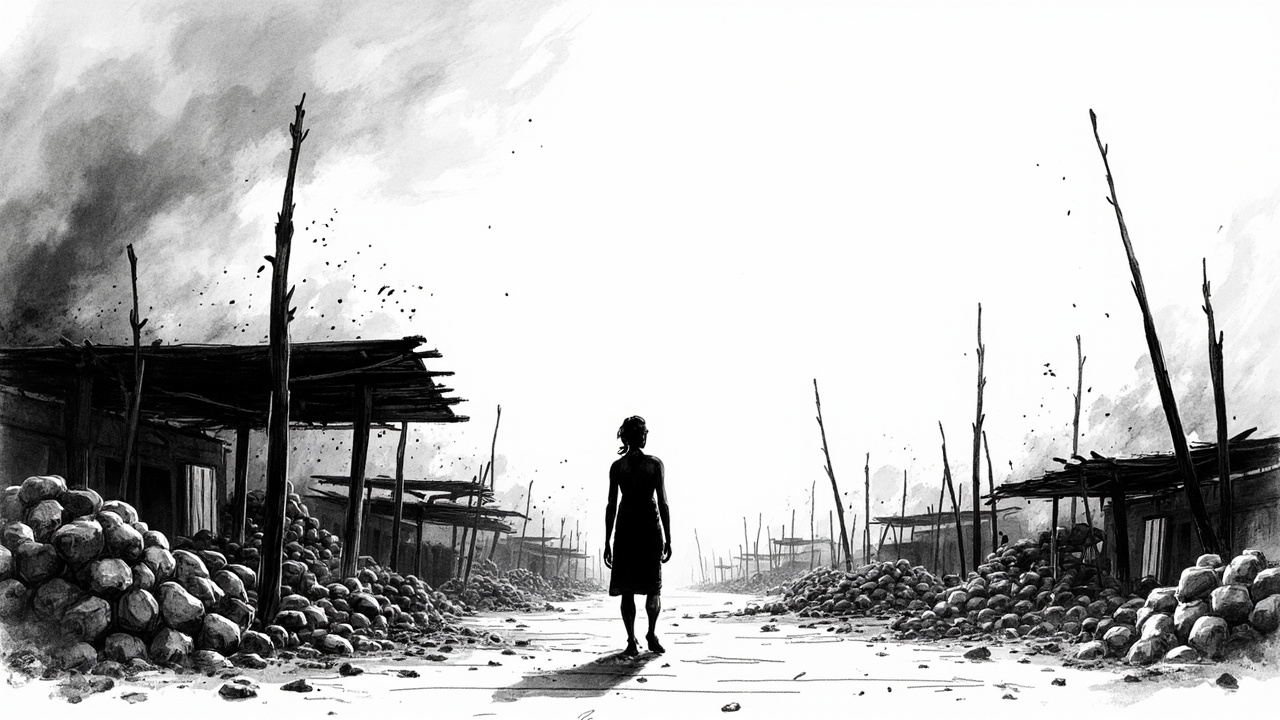
A trader in Gikomba market lost her entire stock and stall to one of the market's recurring fires. She had built that business over four years. She had an M-Pesa till number, a mobile savings account, and a good repayment record with an MSME lender. She had everything digital finance promises, except insurance. That's the problem. Financial inclusion in Kenya has become shorthand for mobile money accounts and quick digital loans. Yet insurance penetration remains low. The Gikomba fire, which destroyed property worth millions in a recent blaze, is not an anomaly. Fires have hit Gikomba multiple times over the last decade. Each time, thousands of uninsured traders absorb the loss.
The fintech blind spot
Kenya's digital lenders have built sophisticated credit scoring models based on M-Pesa transactions, savings patterns, and repayment history. They can approve a loan in minutes. But they do not check whether the borrower has a single insurance policy. That is a gap in underwriting. When a fire, flood, or theft wipes out a trader's inventory, the loan defaults. The fintech writes down the asset. The borrower loses access to future credit. Everyone loses.
The second-order effect hits portfolio quality. Lenders targeting MSMEs in markets like Gikomba carry concentrated risk. One fire can trigger a wave of defaults across dozens of clients. The recent fire alone likely destroyed stock worth millions. For an unsecured lender, that is a direct hit to repayment rates. I don't see how any digital lender with exposure to Gikomba can claim to have a handle on credit risk without factoring in disaster probability.
Who benefits from this gap?
Microinsurance providers should be licking their chops. Kenya has a few players, UAP, Britam, and startups like Turaco, offering low-premium cover via mobile. Yet adoption remains stuck. Why? Distribution is hard. Selling insurance through M-Pesa menus works only if the user understands the product. Most traders see insurance as an optional cost, not a survival tool. The fintechs, who have the customer relationships and transaction data, have not embedded insurance into their loan products.
That could change if the CBK nudges. The regulator already requires digital lenders to cap interest rates and disclose costs. Adding a mandate to offer a basic insurance package at origination would not be a stretch. The risk is that lenders pass on the cost, making loans more expensive and reducing uptake. But the alternative, ignoring the exposure, is worse.
The real cost of inclusion
Financial inclusion without insurance is not inclusion. It is access to debt with no safety net. The Gikomba trader had a savings account, but four years of savings can be wiped out in minutes. She had a loan record, but that record is now worthless. She had digital payments, but that did not rebuild her stall.
Kenya's fintechs pride themselves on using data to make lending decisions. They should use that same data to push insurance. Bundle a fire and theft policy with every MSME loan. Charge a small premium. Accept lower margins in exchange for lower churn and default rates. Or watch your borrower base evaporate after the next fire.