EPRA's fuel hike signals deeper Kenya inflation squeeze

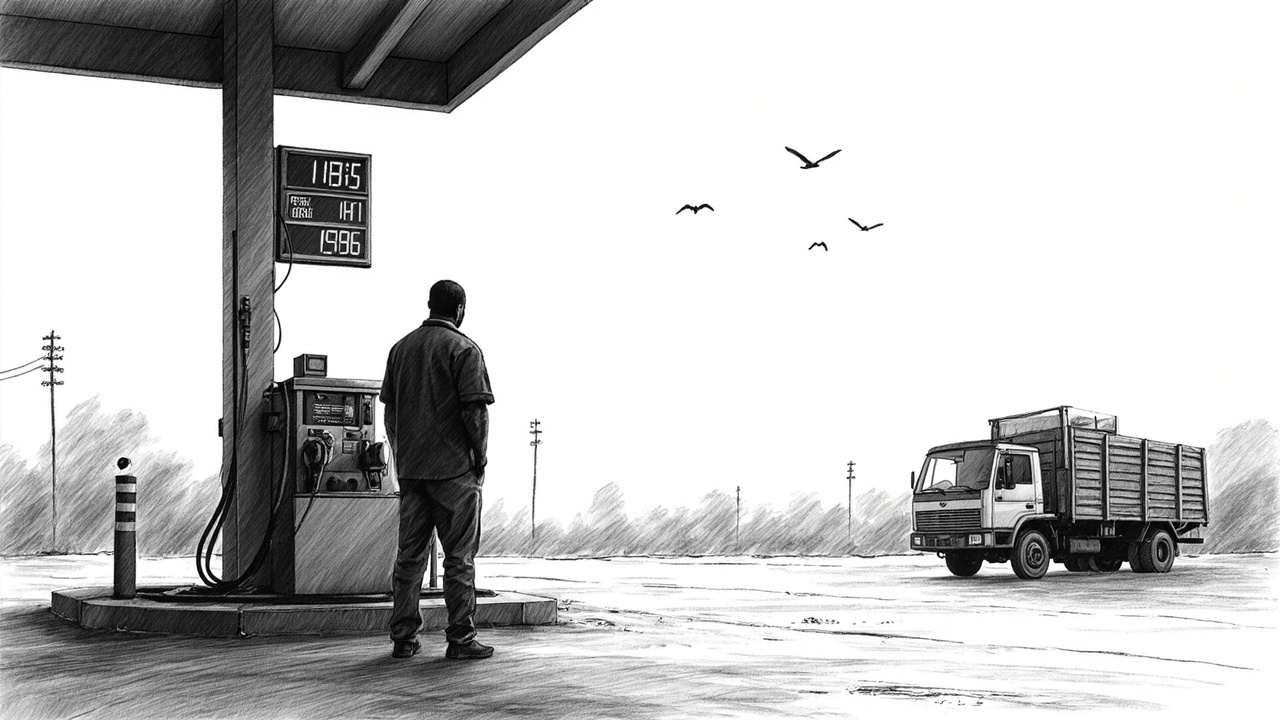
Kenya's latest fuel price jump feels like a broken SaaS pricing model. The Energy and Petroleum Regulatory Authority just hiked petrol by Ksh28.69 and diesel by Ksh40.30 per litre. Nairobi pump prices hit Ksh206.70 for petrol and Ksh206.84 for diesel starting April 15 according to Capital FM. EPRA simultaneously cut VAT on fuel from 16% to 13% to soften the blow. But the subsidy failed. That reveals more about Kenya's economic stress than the headline numbers.
Transport operators will pass costs to consumers within days. Matatu fares will jump. Logistics margins will compress. Every Kenyan business now faces higher input costs without corresponding revenue lifts. The unchanged kerosene price offers minimal relief. Poor households that cook with kerosene get some protection, but transport inflation hits them hardest.
The subsidy math that doesn't work
EPRA's VAT reduction from 16% to 13% was supposed to cushion consumers. It didn't. High landed costs of petroleum products crushed the relief measure. This is the third straight monthly increase. The regulator has no good choices. Global oil prices rise while the Kenyan shilling remains weak. The Treasury sacrifices fuel tax revenue to limit political fallout. Neither move solves the core problem.
Kenya imports all its petroleum. The supply chain has zero slack. Global price shocks transmit directly to Nairobi pump prices within weeks. EPRA's monthly review merely formalizes this reality. The agency acts as a messenger, not a shield. Expect more of these announcements through 2026. The government's fiscal space for further VAT cuts is narrowing.
Transport inflation's second-order hits
Look beyond pump prices. Diesel powers Kenya's freight and agriculture sectors. A Ksh40.30 per litre increase adds thousands to monthly operating costs for trucking firms. They will renegotiate contracts with manufacturers and retailers. Those higher logistics costs will appear on supermarket shelves within 30 days.
Public transport operators face immediate pain. Matatus run on thin margins with intense competition. Fare hikes will spark passenger resistance. Expect more fare disputes and possible service reductions on less profitable routes. Commuting costs will rise just as household budgets tighten.
The kerosene holdout matters. EPRA kept kerosene prices flat while petrol and diesel jumped. This targets relief at low-income households that use kerosene for cooking and lighting. But these same households spend disproportionate income on transport. They lose on the roundabout what they gain on the swing.
Investors should watch transport-dependent sectors. Fast-moving consumer goods companies face margin compression. Logistics and delivery startups will see unit economics deteriorate. E-commerce platforms might absorb some costs to maintain growth, burning more cash. The fuel hike acts as a stealth tax on Kenya's entire formal economy.
Kenya markets now face a double bind. EPRA must balance global oil prices, currency weakness, and social stability. Its tools are blunt. The VAT cut failed to prevent notable price increases. Future interventions will have even less impact. Businesses must assume fuel costs will keep rising through 2026. Hedge where possible. Revisit transport-heavy business models. This isn't a temporary spike. It's Kenya's new normal.