Del Monte Kenya: Land dispute clouds economic footprint

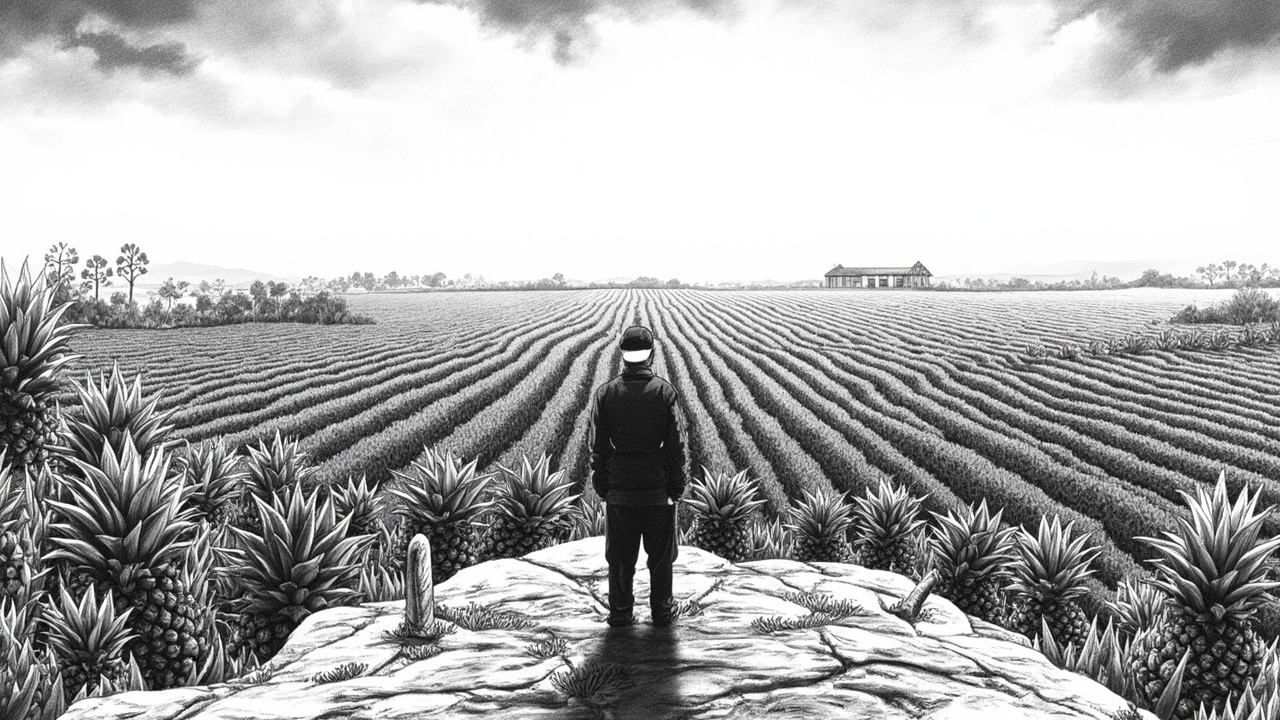
Del Monte Kenya is a pillar of the local agricultural economy, one of the country's largest exporters of processed fruit. It is also fighting a land dispute in court that refuses to disappear.
The legal cloud and what it reveals about Kenya's land governance
In April 2025, Kenya's Environment and Land Court delivered a ruling in Kamicha & 7 others v Del Monte Kenya Limited (Environment & Land Case E044 of 2024). The judgment came after years of litigation over land rights in the Thika region, where the company operates vast pineapple plantations. The case, brought by seven community members, shows a persistent tension: foreign agribusiness creates jobs and earns export revenue, but local land claims are often poorly documented and slow to resolve.
The court ruling did not end the matter. It exposed procedural gaps in how Del Monte acquired and uses the land. For investors, this is a red flag. Kenya's land tenure system is a known flashpoint. The World Bank has flagged it repeatedly. Yet the risk remains underpriced.
Kenya's government talks up the African Continental Free Trade Area (AfCFTA) as a gateway for processed agricultural exports. Del Monte is often cited as a success story. But the land case exposes a gap between trade ambition and local governance. AfCFTA's rules of origin require proof of value addition, but they say nothing about how land was acquired or how communities were consulted. The harmonisation that investors want will be hollow if basic property rights are contested.
Climate, market shifts, and the rising cost of doing business
Beyond the courtroom, Del Monte faces two other headwinds. Climate variability is hitting central Kenya harder each year. Erratic rainfall disrupts the year-round supply cycle that the company's global contracts depend on. Meanwhile, consumer tastes are shifting. European buyers, Del Monte's core market, are demanding stricter environmental and social standards. The same buyers are also exploring cheaper sources in Latin America and Southeast Asia.
These pressures are not unique to Del Monte. They affect every large-scale agribusiness in Kenya. But Del Monte's size makes it a target. It cannot quietly adjust sourcing without disrupting thousands of smallholder outgrowers it relies on.
The investor verdict: manage the risk or pay the price
Del Monte is too embedded in Kenya to leave. The company has invested heavily in processing facilities and logistics. But the cost of legal defence, community compensation, and reputation management will keep rising. Expect more cases like Kamicha, not fewer, as communities get savvier about their rights.
Del Monte Kenya contributes to Kenya's export basket and tax base. That is real. But the company operates in a regulatory environment where land disputes can drag for years, climate shocks are uninsurable, and buyer standards are tightening. The risk is manageable, but only for investors who price it in. Those who don't are buying into a legal headache that won't go away.