Co-op Bank water loans test Kenya markets on repayment

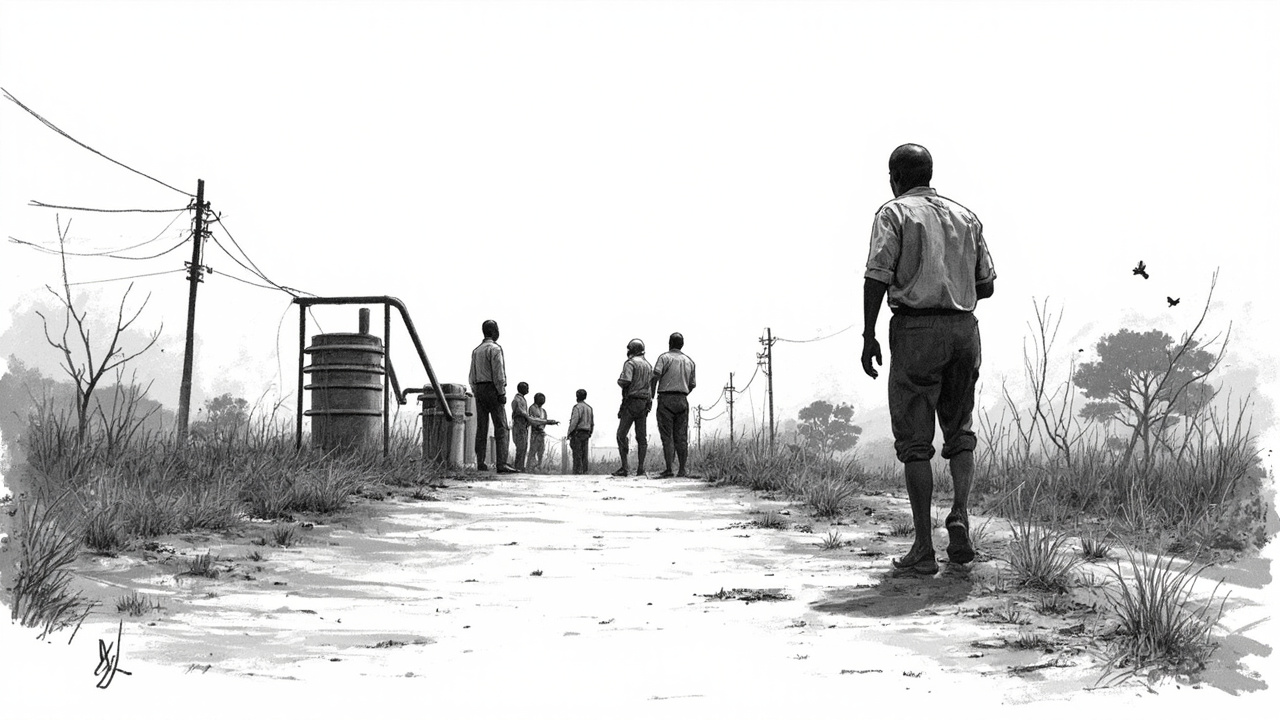
The number Co-operative Bank of Kenya wants you to remember is Sh4.39 billion. That is what it lent to water and sanitation projects between March 2023 and August 2026, beating its own target. The number it has not published is how much of that has come back.
For Kenya markets, that gap matters more than the headline. Water lending looks like credit. In practice it is a collections business.
A disbursement is not a loan book
A bank books the asset the day the money leaves. Interest accrues from day one. Cash flow arrives only when a water service provider bills households and gets paid.
That is where the model gets uncomfortable. Kenyan water utilities bill monthly, often through mobile money, and their revenue is steady but thin. Tariffs are politically sensitive and frequently lag cost recovery. When a utility's collection rate slips, the bank's loan moves from performing to restructured. Quietly.
Investors reading the disbursement figure see growth. They cannot see the watchlist. That asymmetry is the whole story.
Concessional money is easier to deploy
Beating a target by this margin suggests the funding had help. Water and sanitation lending at this scale rarely happens on pure commercial terms, so expect a development-backed facility or guarantee sitting underneath, with the bank acting as the on-lender.
That structure explains the speed. It also weakens the price signal. If a guarantee absorbs first losses, the bank has less reason to be brutal about which utility gets the next tranche. The real test comes when the guarantee period ends and the loan book has to stand alone.
Here is my bias showing: I spend my days on subscription businesses, and a water utility is the original subscription. Monthly billing. Captive customers. Churn that turns savage the moment service fails. Households on intermittent supply switch to boreholes, vendors, and storage tanks. No meter reading, no revenue, no repayment.
The quiet winners and the tariff trap
The equipment suppliers get paid from disbursed loans regardless of whether the utility ever repays. Meter vendors, pump suppliers, and civil contractors carry none of the credit risk. They are the quiet beneficiaries of every blended-finance headline.
For the bank, the exposure is concentrated in a sector whose cash flow depends on a regulator it does not control. Any delay in a tariff review hits utility collections first, then the bank's interest income. Expect that lag to show up before it shows up in the sector NPL disclosures, where water usually gets folded into a broader segment.
What should investors do differently? Stop reading disbursement numbers as credit quality. Ask for the non-performing breakdown by sector at the next results briefing. If the bank will not split it out, assume the answer is unflattering.
If this model works, other Kenyan lenders will copy it with donor backing and water infrastructure gets a real funding channel. If it does not, water lending becomes a cautionary tale told at every credit committee for a decade. The disbursement number tells you which way it went. The collection number will not.