Konongo injunction puts Ghana markets on notice over leases

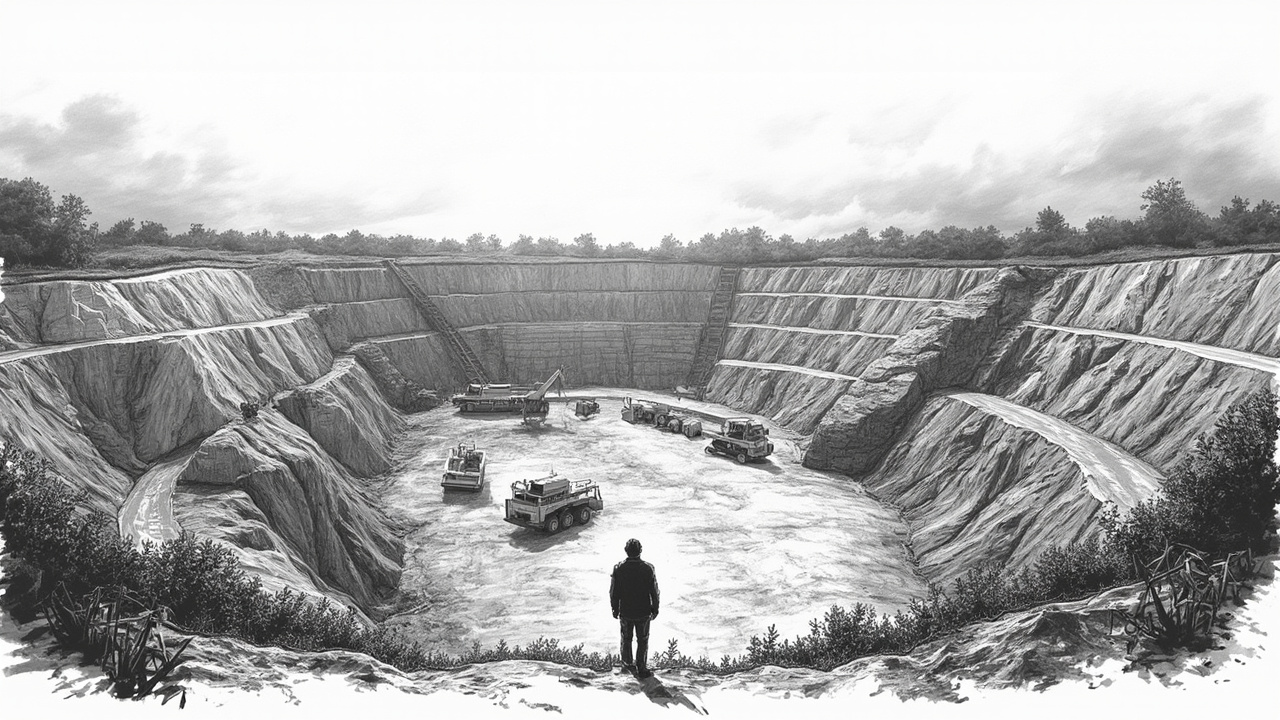
An injunction application is not a verdict. Northern Ashanti Mines wants a court to block a government takeover of its Konongo concession, and it puts roughly $110 million of committed expenditure behind that filing. For anyone pricing Ghana markets, the sum matters less than this: a granted mining right is now being argued over in open court.
A lease is a promise, and promises get repriced
Mining capital is patient until it isn't. A concession converts geology risk into a schedule: explore, prove, build, produce, pay royalties. A state takeover rewrites every line after the first one. Investors will start charging Ghana for title risk on top of commodity risk, and that premium does not disappear when the case does.
Committed expenditure is sunk before the first tonne moves. Access roads, camp construction, drilling programmes, environmental bonding. None of it walks away if the tenement is frozen. The company's own figure describes money already spent, not a forecast.
The people who lose first are rarely the shareholders. It is the contractor who mobilised rigs to Konongo, the local supplier on thirty-day terms, the district assembly counting on property rates and mineral levies. Exploration capital has the shortest memory of any asset class. It leaves quietly, and it never issues a statement.
Quiet beneficiaries exist too. Producing rivals with clean title absorb the exploration dollars that stall here. Law firms bill either way. Jurisdictions with faster tenement administration make the comparison for investors without being asked.
The fiscal arithmetic behind the takeover
Ghana's budget leans on royalties and corporate tax from a small set of formal producers. That dependence exists because the informal economy is expensive to reach, which is why the Ghana Revenue Authority keeps running registration drives and relief windows instead of collecting.
Amnesties cut both ways. Every window teaches taxpayers that waiting is cheaper than complying. A leaseholder reading the Konongo filing learns a version of the same lesson: a granted right can be revisited administratively. Once enforcement credibility is discounted, rebuilding it costs more than the arrears recovered.
Then there is working capital. Mining is capital-import heavy, and input VAT on plant and equipment sits locked up until refunds clear. Producers already fund the state at zero interest while they wait. Contest their tenure at the same moment and the compliance cost burden stops looking like a rounding error. Expect small and mid-tier operators to absorb it. Expect the majors to litigate it.
If the state does take the concession, the funding question goes unanswered. Re-tendering a contested asset takes years, and Ashanti loses the payroll in the interim. Ghana would have traded a working investor for a legal bill and a stalled project.
What to watch before the ruling
Track three things. Whether the court orders the status quo preserved. Whether the Minerals Commission publishes its reasoning for the takeover. Whether other leaseholders start asking for written reassurance they never needed before.
My read: the injunction buys time, not certainty. The real damage is that Ghana's mining story gets repriced by a filing rather than a finding, and that the discount outlives the dispute itself.