Ghana Zero-Tariff China Access: Tax Gaps Lurk Behind Headline

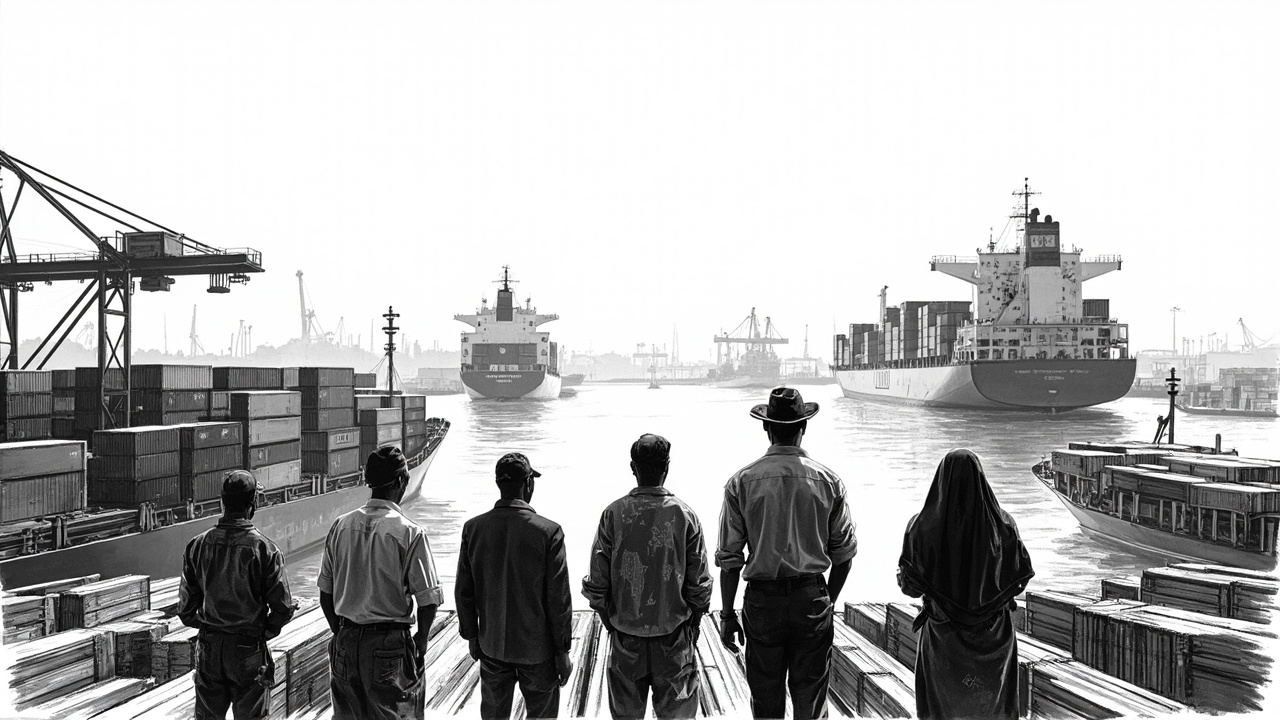
China's zero-tariff policy for numerous African nations took effect on May 1, according to experts. The first shipment of apples from South Africa cleared customs in Shenzhen that same day. Ghana's exporters are now theoretically on equal footing.
But I am skeptical. The real barrier isn't the 0% tariff Chinese customs apply. It's the tax and compliance chain back in Accra.
Tax and compliance barriers limit impact
Ghana's exports to China are weighted toward cocoa, timber, and gold, raw or lightly processed. Under the new policy, a Ghanaian processor shipping mango puree to Shanghai pays zero Chinese tariff. But they still depend on Ghana's VAT refund system to recover input tax. That system is broken.
According to trade sources, China already accounts for a significant share of Ghana's imports. Exporters report that refund arrears stretch for a long period—many months—creating cash-flow uncertainty. A surge in export volumes will pile up refund claims the Ghana Revenue Authority (GRA) cannot process. The result: cash flow pain for legitimate exporters, and a disincentive to declare sales formally.
Most Ghanaian farmers and small-scale processors operate outside the tax net. They cannot issue a VAT invoice, let alone a certificate of origin for Chinese customs. The zero-tariff policy gives them nothing because the documentation chain starts with a registered business.
Past tax amnesties in Ghana failed to bring more than a tiny fraction of informal traders into the formal system. Compliance costs—audited accounts, quality certifications, logistics records—are too high for a roadside cassava grater. The policy will bypass the informal economy almost entirely.
What investors should watch
The zero-tariff treatment is guaranteed only for a limited period, as reported by international media. That is a short window. No investor will build a processing plant on that timeline unless the policy is extended. Meanwhile, Chinese solar panel exports to Africa have seen significant growth in recent years, according to business reports. China is aggressively selling, not just buying.
Ghana's trade deficit with China is already deep. This policy could widen it unless supply-side constraints are addressed. The GRA needs to clear VAT refunds, the Food and Drugs Authority needs to speed export certification, and the Ministry of Trade needs to help SMEs meet import standards. None of that is happening fast.
Key points for investors:
- GRA's VAT refund backlog. If it grows, the government may delay or cap refunds, hurting formal exporters.
- Formalization rates. If the policy does not nudge informal traders into registration, it will capture only a sliver of Ghana's export potential.
- Extension risk. If China does not renew the zero-tariff treatment beyond its initial term, any capacity built specifically for this window becomes stranded.