Ghana's GH¢100 Vendors Break Mobile Money Business Case

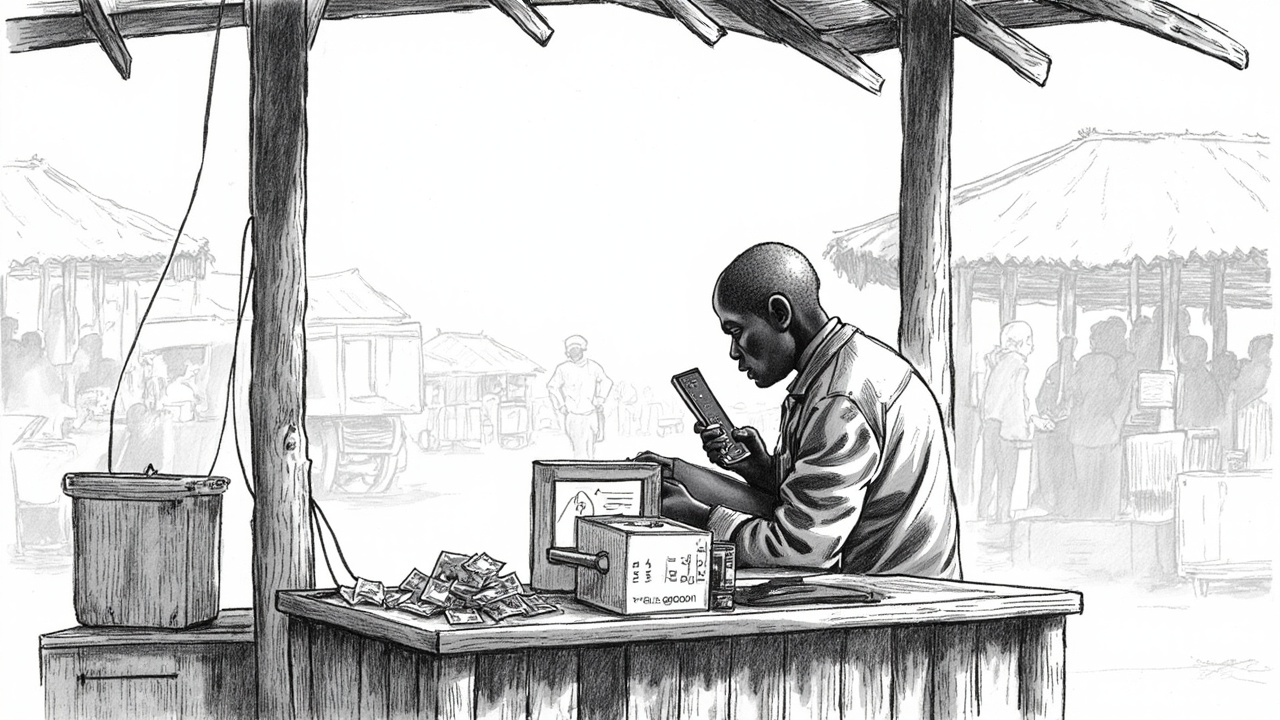
The Ghana Statistical Service's census reveals a core math problem for mobile money. 57% of street hawkers and roadside vendors earn about GH¢100 or less daily, per the 2024 Integrated Business and Establishment Survey IBES I. One in three businesses operating from fixed outdoor locations shows the same thin revenue line. This is not just poverty data, it's a direct threat to the unit economics of Ghana's digital payment networks.
The country has 2.6 million businesses, with 80% of employment in the informal sector, according to a WIEGO report. That's the market fintechs and banks chase. But a daily income of GH¢100 (about $7.50) means average transaction values stay microscopic. Agent networks depend on volume. Low-value transactions erode their margin, especially when interoperability rules force revenue sharing across multiple operators. Float management becomes a constant scramble. Agents serving these vendors need more cash on hand for withdrawals, yet their commissions on GH¢5 airtime sales won't cover the security or liquidity costs.
dormant accounts and kyc friction
Bank of Ghana's push for financial inclusion hits a reality check here. The GH¢100 earner might open a mobile wallet to receive payment from a few customers. But without consistent inflows above a sustainable threshold, that account drifts dormant. Dormant accounts still cost providers to maintain on their ledgers. They also distort industry metrics, letting companies tout registered user growth while active usage stagnates. Forced KYC on these micro-entrepreneurs is another friction point. The vendor with a table in Sogakofe may lack formal proof of address. Enforcement gaps create a two-tier system: strict compliance for the banked, overlooked informality for the street.
policy decisions and network retreat
Dr. Iddrisu of the GSS noted that data from IBES II would shape policy and investment decisions, according to a June 2025 report. The immediate investment decision is whether to deepen agent networks in low-income urban hubs. The math suggests contraction, not growth. Networks might pull agents from unprofitable zones, creating payment deserts for the very vendors the data describes. This strains the 24-hour economy concept, if a vendor can't cash out after dark, digital payments fail them. The Informal Hawkers and Vendors Association of Ghana has organizational heft but cannot solve unit economics.
The real risk is a brittle system. Networks optimized for Accra's business districts falter in regional markets where GH¢100 is the norm. Interoperability, meant to strengthen the system, could accelerate a race to the bottom on fees. When transaction values are this low, every pesewa shared between operators hurts viability. Investors should scrutinize active user ratios and average transaction value metrics from mobile money operators, not just subscriber counts. Expect mobile money operators to quietly shrink agent networks in low-income urban hubs by late-2026, turning financial inclusion rhetoric into a retreat to profitable zones.