Ghana's trade surplus hides a persistent revenue crisis

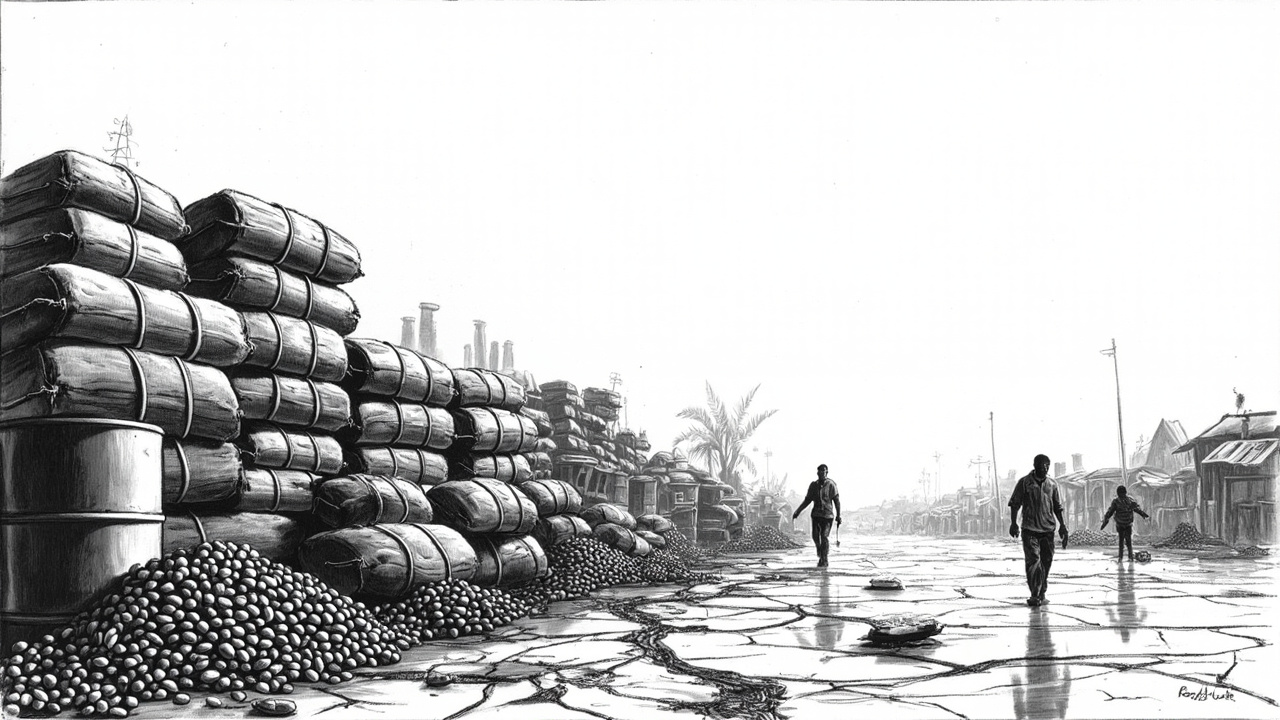
Ghana's structural trade surplus is not a fiscal panacea. The Q3 2025 external trade data, showing a GHC 145 billion total with a GHC 16.7 billion surplus, is a commodity price story according to the Ghana Statistical Service. It does not signal a stronger domestic tax base. I see three persistent cracks beneath the headline: the state cannot effectively tax the informal sector, VAT refund backlogs cripple business cash flow, and a volatile cedi erodes the value of collected revenue. For investors, this means government spending promises on infrastructure or debt servicing remain underfunded fantasies.
The tax machinery is broken where it matters
Ghana's formal export-import cycle generates paper surpluses but limited, sustainable fiscal revenue. The surplus is structurally dependent on three volatile commodities, crude oil, gold, and cocoa, according to Coface research. The real economy, dominated by small-scale trade and agriculture, largely operates outside the tax net. The Ghana Revenue Authority's (GRA) repeated tax amnesties are a confession of failure, not a strategy. They acknowledge the state cannot enforce compliance on the existing base, so it forgives past debts hoping for future, uncertain payments. This cycle erodes the social contract of taxation and entrenches a culture of non-compliance. The GRA's digitalization drive has improved tracking for large corporates, but the informal sector's cash-based transactions remain a black box. The result is a narrow tax base, overly reliant on a few multinationals and salaried workers, vulnerable to external shocks.
Debt and currency volatility eat the surplus
The trade surplus's value is illusory in cedi terms for debt management. Ghana's public debt is denominated heavily in foreign currency, while a notable portion of tax revenue is collected in the volatile Ghana cedi (GHS). The U.S. Department of Commerce notes the currency's volatility as a key risk. A strong commodity-driven surplus can temporarily support the cedi, but the underlying fiscal fragility prompts rapid depreciation when commodity prices dip. This currency mismatch means the cedi value of the debt burden can inflate faster than the cedi value of tax revenues, even during a trade surplus period. also, the state's suspension of servicing on certain debts, expected to continue through 2025 per Coface, frees up short-term cash but scares off long-term capital. It tells bondholders the government's revenue streams are insufficient for its obligations. The surplus thus becomes a tool for short-term stability, not a foundation for long-term creditworthiness.
Investors must look past the GSS trade bulletins. The real indicator is monthly GRA collection reports against target. Watch for growth in domestic VAT and income tax, not just export volumes. A sustained, broad-based uptick there would signal a turning point. Until then, Ghana's fiscal house is built on commodity sand, easily washed away by the next global downturn or local currency crisis. The government is not selling more to the world in a major way; it is still waiting for the world to pay more for what it already digs up. That is not a development model; it's a revenue trap.