Ghana T-Bill Undersubscription Reveals Liquidity Strain

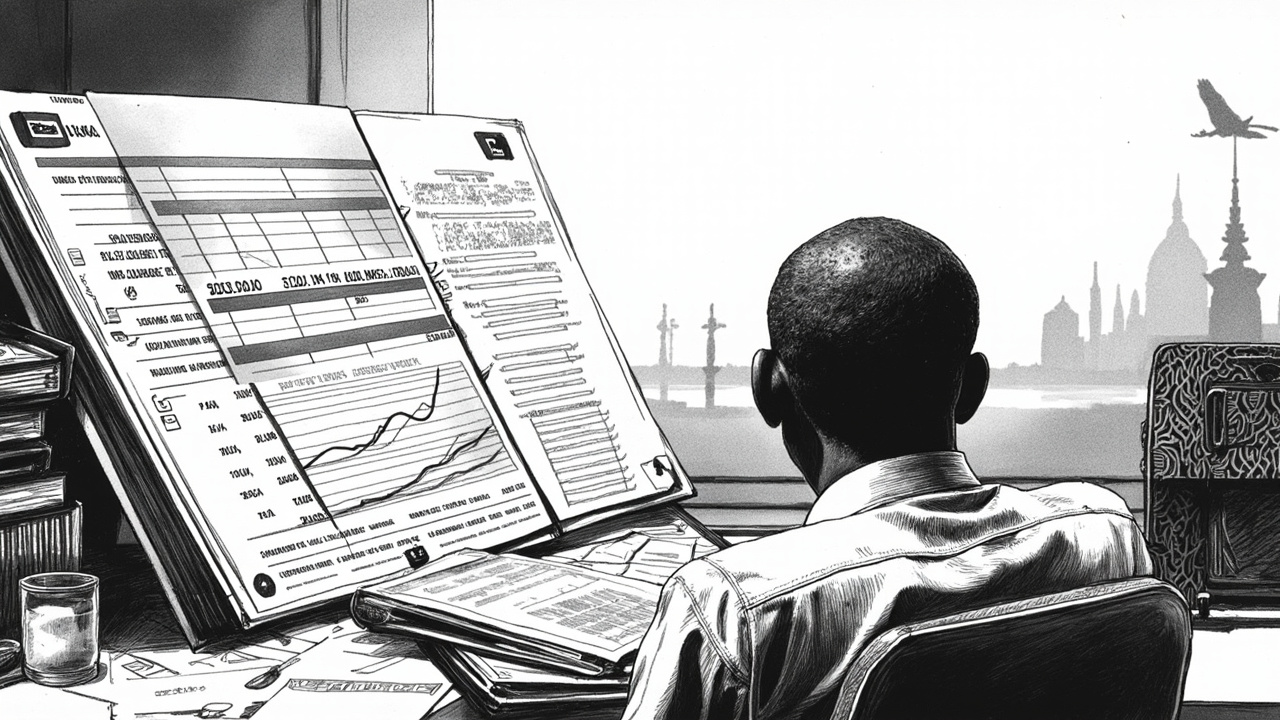
Ghana's Treasury bill auction missed its target by 29% last week. Investors are pulling back from short-term government debt. The government aimed to raise GH¢6.413 billion but fell short, with the 91-day bill attracting GH¢4.43 billion in bids but only GH¢4.42 billion accepted according to Ghanaweb. This is the first undersubscription in three weeks. For investors, it signals a liquidity crunch in Ghana markets.
liquidity crunch hits ghana t-bill auction
Primary dealers, the banks and institutions that buy government securities, are holding back. The Bank of Ghana (BoG) guides these dealers per Bank of Ghana guidelines. Their caution points to tighter float management. As a payments analyst, I see banks prioritizing cash reserves over T-bills. They might be nervous about dormant account ratios or KYC enforcement gaps draining deposits. This isn't just about interest rates. It's about systemic trust.
The auction failed during a week when the BoG has been squeezing liquidity to fight inflation. If primary dealers skip T-bills, the government must borrow elsewhere. Expect more expensive domestic debt or rushed external deals. Who benefits? Foreign holders of Ghanaian debt could demand higher yields. Local banks might gain negotiating power for better rates, but their margins will squeeze if the cedi weakens.
bank of ghana's fiscal dilemma
BoG now faces a choice: inject liquidity to support auctions or maintain tight policy to stabilize the currency. Both paths risk fiscal instability. The government's reliance on short-term bills exposes a cash-flow problem. Investors should watch for missed payments on longer-term bonds. This undersubscription hints at deeper stress in Ghana's fiscal management.
Cross-border effects matter. Ghana's debt sustainability talks with the IMF could stall if domestic borrowing costs spike. Neighboring markets like Nigeria and Kenya will see this as a warning. Their own primary dealers might reassess risk. The second-order effect? Higher interest rates across West Africa, slowing economic recovery.
My take: Ghana's T-bill market is flashing red. Investors should reduce exposure to short-term government paper. Prepare for volatility in the cedi. The BoG will likely intervene with liquidity, but that may only delay a reckoning. Watch the next auction. Another miss means the crunch is real.