Ghana enforces Publican AI tax system despite trader revolt

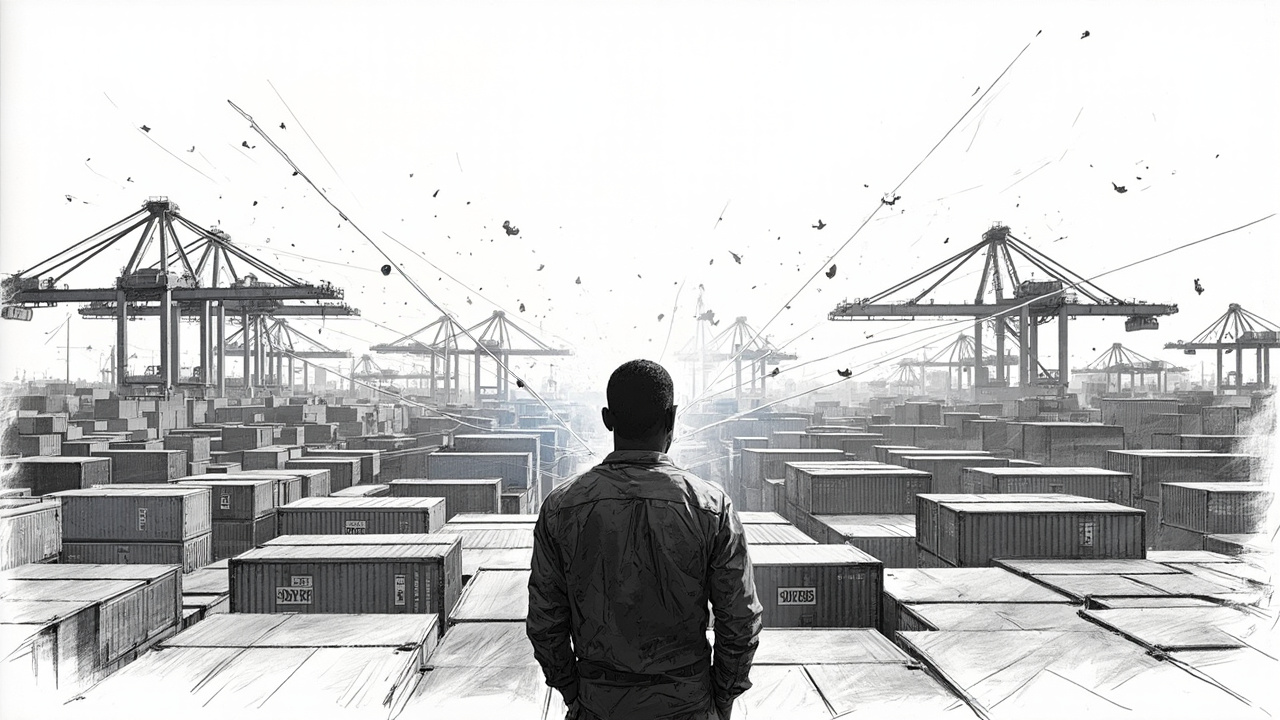
Ghana's government just chose tax collection efficiency over business community peace. Trade groups met the Deputy Minister of Finance on 16th April 2026. Officials refused to suspend the mandatory Publican AI import valuation system. The business forum called the outcome disappointing. It remains resolute. For investors, this signals aggressive, automated revenue collection. It prioritizes state coffers over commercial fluidity. The test is whether the system can handle Ghana's import network. That network has complex float management and compliance gaps.
The operational choke point for traders
Publican AI became mandatory on March 12, 2026 according to Graphic Online. The Ghana Revenue Authority (GRA) pitches it as a faster platform. Commissioner-General Anthony Kwasi Sarpong said it improves import valuation per Citi Newsroom. The business community sees a compliance trap. The core friction is cash flow. Real-time tracking and automated valuation remove the gray area. Traders use this to manage working capital. Every consignment gets an immediate tax demand. Importers lose the float period to sell goods before paying duties. This squeezes smaller operators with thin margins. The GRA's win is a trader's working capital crisis.
The suspended strike action by GUTA and freight forwarders on 17th April 2026 shows the tension as reported by ABC News Ghana. They called off protests after some concessions. The core system remains. This is a tactical pause, not a surrender. The government's refusal to suspend suggests a view. It sees short-term trade disruption as an acceptable cost. The goal is long-term revenue gains. The risk is a second wave of resistance. Operational glitches could cause cargo backlogs at Tema port. Investors in logistics and retail should budget for higher costs. They should expect potential shipment delays through 2026.
A payments analyst's skepticism on system design
I question the interoperability and sustainability claims. The GRA talks about efficiency. It does not talk about integration. How does Publican AI sync with bank payment systems? How does it work with customs platforms or mobile money channels? Ghana's financial infrastructure is a patchwork. A monolithic AI system that fails to sync creates reconciliation hell. The risk is not just delays. It is misapplied payments and goods stuck in limbo.
Then there's the agent network problem. Many smaller traders rely on third-party clearing agents. Publican AI's real-time demands expose weak KYC and liquidity management in this agent layer. How does the system verify the agent acting for the importer? What prevents dormant or fraudulent agent accounts from gaming valuations? The GRA's AI might be sophisticated. It is layered atop a human system with known enforcement gaps. This creates a new attack surface for corruption. The risk shifts from valuation to system entry and payment.
Investors should watch two metrics. Watch port clearance times at Tema. Watch the GRA's monthly revenue collection reports. If clearance times spike while revenues only inch up, the system is failing. The government has bet its credibility on this technology. Its stubbornness means there is no rollback plan. The business community's resilience is now being tested. They must adapt or be choked out. The second-order effect could be accelerated consolidation. The import sector may favor large, well-capitalized players. They can absorb the cash flow hit. That might be the quiet, unstated goal all along.