Ghana Markets: Payment Integration Risks Ignoring Tax Gaps

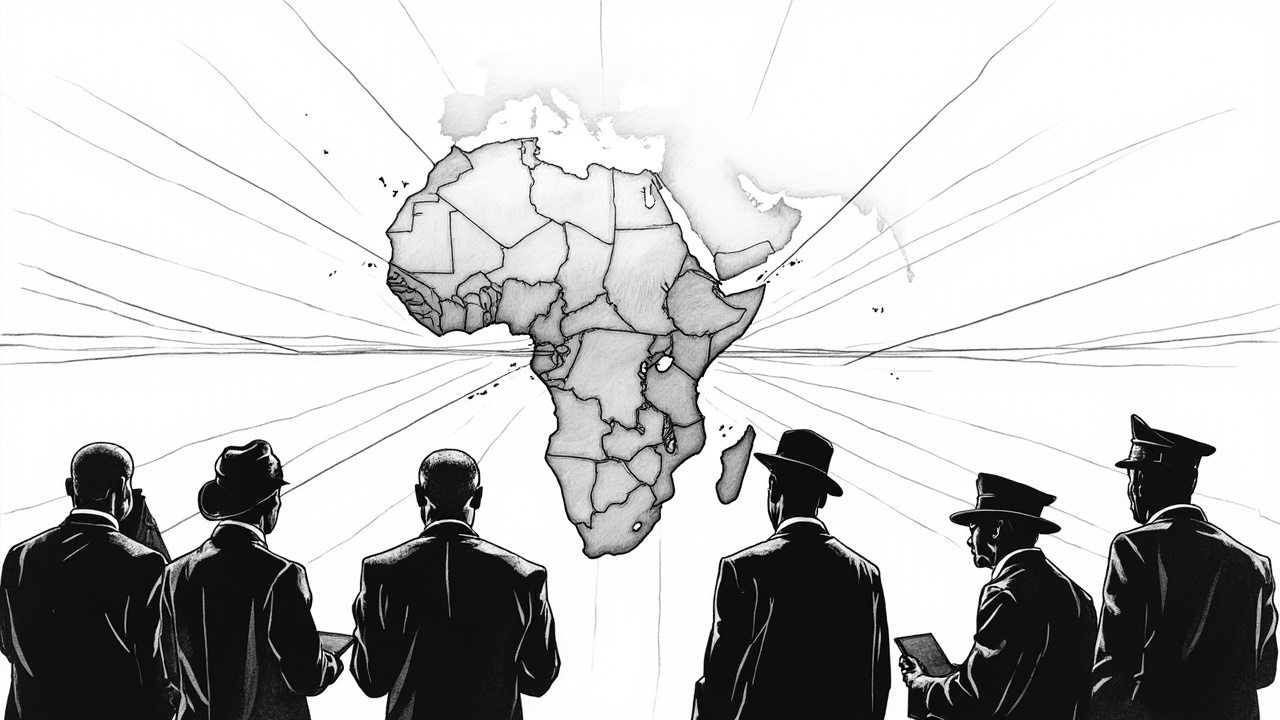
The Bank of Ghana wants instant cross-border payments to unite Africa's fragmented payment systems. Good luck collecting taxes on those transactions.
At the 3i Africa Summit 2026, First Deputy Governor Dr. Zakari Mumuni said Africa's payment network is "too fragmented" to back the continent's digital ambitions. He's right about the fragmentation, but the real problem is that governments haven't figured out how to tax the flows.
Infrastructure cost and the tax collector's blind spot
Building the necessary digital payment infrastructure requires significant investment. That infrastructure costs money. Someone has to pay. Banks and mobile money operators will likely pass the cost to merchants and consumers. The central bank hasn't said whether it will cap fees, but if it does, the operators will push back. Expect a tug-of-war that could stall progress.
Mobile money wealth and the tax collector's blind spot
Ghana's mobile money market is one of the largest in Africa, processing a substantial value of transactions. Most transactions are person-to-person or small business payments that never touch the formal banking system. Tax authorities struggle to capture this economic activity, and compliance is patchy.
Now imagine cross-border payments layered on top. A trader in Accra sends money to a supplier in Kigali via mobile money. Under integrated payment systems, it could be instant and cheap. But which country taxes it? How does the tax authority track it? The existing frameworks do not have a clear answer. The risk: payment integration accelerates without corresponding tax integration. Ghana's revenue base, already thin from a large informal economy, leaks further.
AfCFTA corridor: a test for revenue collection
Efforts to create cross-border payment corridors aim to eliminate delays and high costs. That's great for traders. But for tax authorities, it's a new data gap. Currently, cross-border payments often go through correspondent banks, which leave an audit trail. Instant payment rails can bypass those banks, especially if fintechs operate them.
Ghana's tax system relies on withholding taxes and point-of-sale records. A seamless digital corridor could make it harder to apply those tools. Tax authorities will need real-time access to transaction data from the new infrastructure, something that requires legislation and operator cooperation. Neither is guaranteed.
Who quietly benefits? Large banks with existing cross-border relationships, they can offer value-added services like treasury management. Small mobile money agents? They could lose if formal channels squeeze their margins.
The blunt verdict: Digital payment integration is a sensible idea. But Ghana's tax collection machinery isn't ready. The central bank focuses on payment speed and inclusion; the tax authority struggles with basic VAT compliance. Until revenue authorities get the same technological upgrade, the new payment rails will create more financial flow than tax revenue. Investors backing payment infrastructure should watch for regulatory friction that could slow adoption, and for tax disputes that could eat into margins.