Ghana Mining Inflation Rises as Consumer Prices Fall

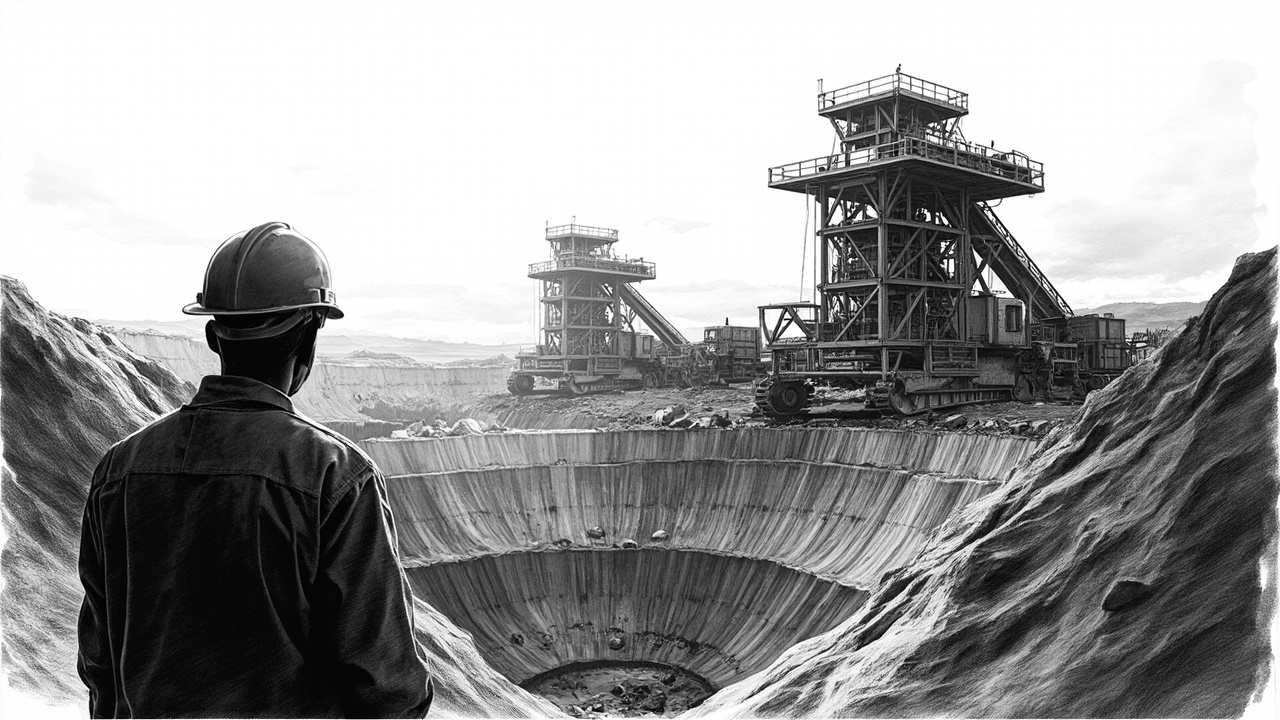
Ghana's mining sector is paying more to dig, even as consumers see cheaper goods. Producer price inflation held at 1.4% in February 2026, but mining and quarrying, with a 43.7% weight, saw costs jump from 3.7% to 4.1%. Consumer inflation dropped to 3.3% in February 2026, according to GBC Ghana. This disconnect signals a cost squeeze for Africa's top gold producer. Investors should question cash flow stability in mining payments.
mining costs outpace overall inflation
Mining inflation rose 0.4 percentage points in a month. The sector dominates Ghana's exports, accounting for 48.4% of total merchandise exports per Trade Commissioner data. Higher producer costs eat into margins if gold prices stagnate. I see float management risks here. Mining companies must cover upfront operational expenses while waiting for export revenues. This strains liquidity, especially for smaller operators with dormant account ratios in supply chains. The Minerals and Mining Policy of Ghana enforces rules, but KYC gaps persist with local artisanal miners. Payments get delayed, creating working capital holes.
lease renewals and sustainability pressures
Gold Fields faces a concrete risk. Its Tarkwa Mine lease expires in April 2027, as noted by News Ghana. Renewal negotiations could hike royalty payments or require new capital expenditure. Over 60% of Ghanaian gold mines adopted sustainable practices by February 2025, according to Farmonaut. These ESG upgrades add costs but may not boost short-term output. The government's Mining Cadastre system aims to streamline licensing, but implementation lags. For investors, this means tighter profit margins and potential dividend cuts. Gold Fields must secure financing amid rising costs, impacting shareholder returns.
The consumer inflation drop suggests monetary policy is working, but mining inflation exposes sector-specific pressures. Ghana's political stability helps, but mineral investment challenges remain. Watch for second-order effects: higher mining costs could slow new projects, reducing future export earnings. As a payments analyst, I doubt the sustainability of current agent networks in mining regions. Dormant accounts from small-scale miners indicate poor financial inclusion, complicating KYC enforcement. Investors should demand transparency on lease renewals and cost controls. Expect mining stocks to volatility as February 2027 approaches. The real risk isn't inflation, it's squeezed margins in Ghana's golden goose.