Ghana Grid Fault Exposes 550MW Supply Gap Risk

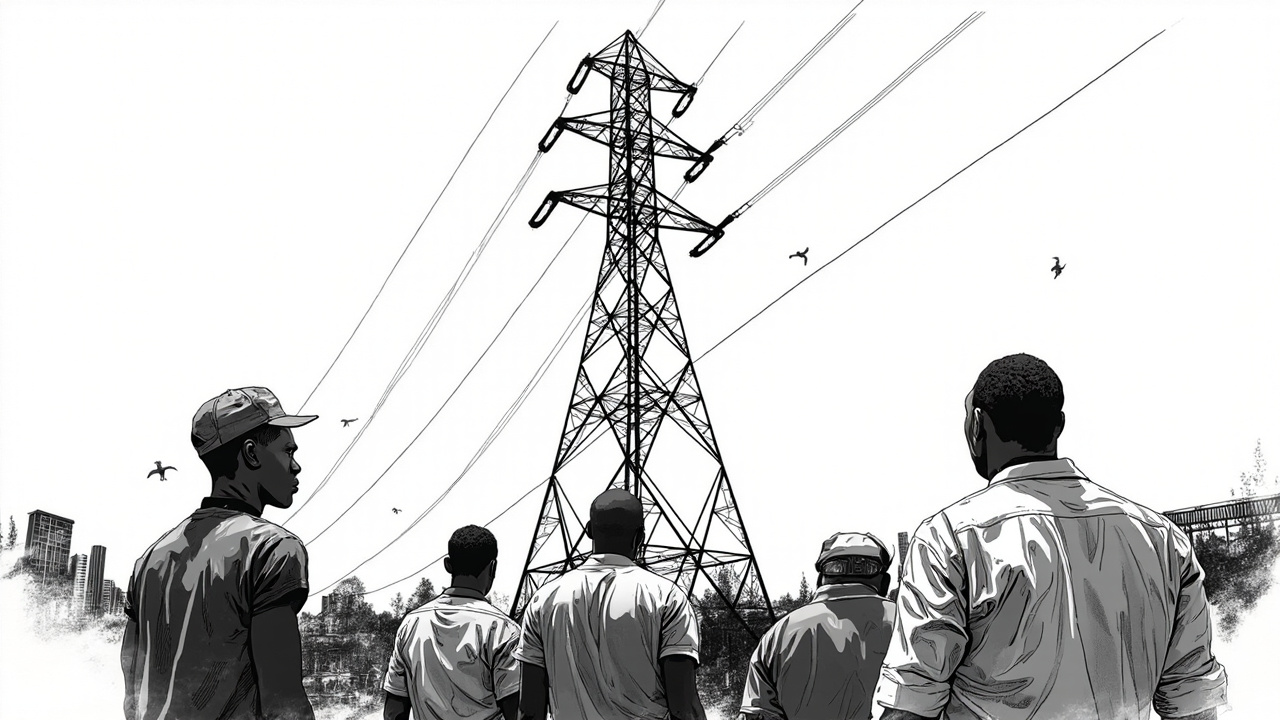
Infrastructure vulnerability threatens Ghana markets
Ghana's recent power outages reveal deeper structural risks than officials acknowledge. While Ministry of Energy spokesperson Richmond Rockson dismissed the disruptions as "localised technical issues," the reality is more concerning for investors tracking West African energy exposure.
A single fault at GRIDCo's Smelter II substation in Tema created a 550MW supply deficit, roughly 15% of Ghana's total generation capacity. This isn't just a maintenance issue. It's a systemic vulnerability that exposes how dependent Ghana's grid remains on aging infrastructure nodes.
The affected areas tell the story: Kumasi, Accra's commercial districts including Achimota and Tesano, plus industrial Tema. These aren't peripheral towns. They're economic centers where power cuts translate directly to GDP losses and foreign investor confidence erosion.
Load-shedding specter returns despite official denials
Rockson's emphasis that Ghana hasn't engaged in load-shedding for "approximately 10-11 months" actually reinforces investor concerns rather than alleviating them. The timeframe suggests the dreaded "dumsor" crisis ended only recently, and could return quickly if infrastructure fails cascade.
The 1:00 AM repair timeline for the Lakeside feeder fault indicates emergency response capability, but reactive fixes don't address the underlying grid fragility. Historical gas supply limitations have already caused nationwide disruptions this year, showing multiple failure vectors beyond equipment faults.
Ghana Grid Company Limited (GRIDCo) is investigating, but their track record on preventing cascading failures remains questionable. The company manages a grid that must balance hydroelectric variability, thermal plant maintenance cycles, and cross-border power trading with Côte d'Ivoire, Togo, Benin, and Burkina Faso.
Investment implications beyond immediate repairs
The real risk isn't the current outages, it's what they signal about Ghana's energy transition strategy. The Ministry of Energy and Green Transition talks about renewable expansion while the existing grid struggles with basic reliability.
Manufacturing and mining operations require consistent power supply. Every major fault like the Smelter II incident forces companies to reassess backup generation costs and operational continuity plans. This creates a hidden tax on industrial competitiveness that doesn't appear in official economic statistics.
The timing matters too. Ghana is positioning itself as a regional financial hub and technology center. Power reliability directly impacts data center viability, fintech operations, and the broader digital economy narrative that drives foreign investment flows.
Expect continued grid stress as demand grows faster than infrastructure investment. The 550MW gap exposed by a single substation fault suggests the margin for error is thinner than officials admit. Until GRIDCo demonstrates proactive grid hardening rather than reactive repairs, power supply risk remains a Ghana markets wildcard.