Ghana fuel price rise tests subsidy limits

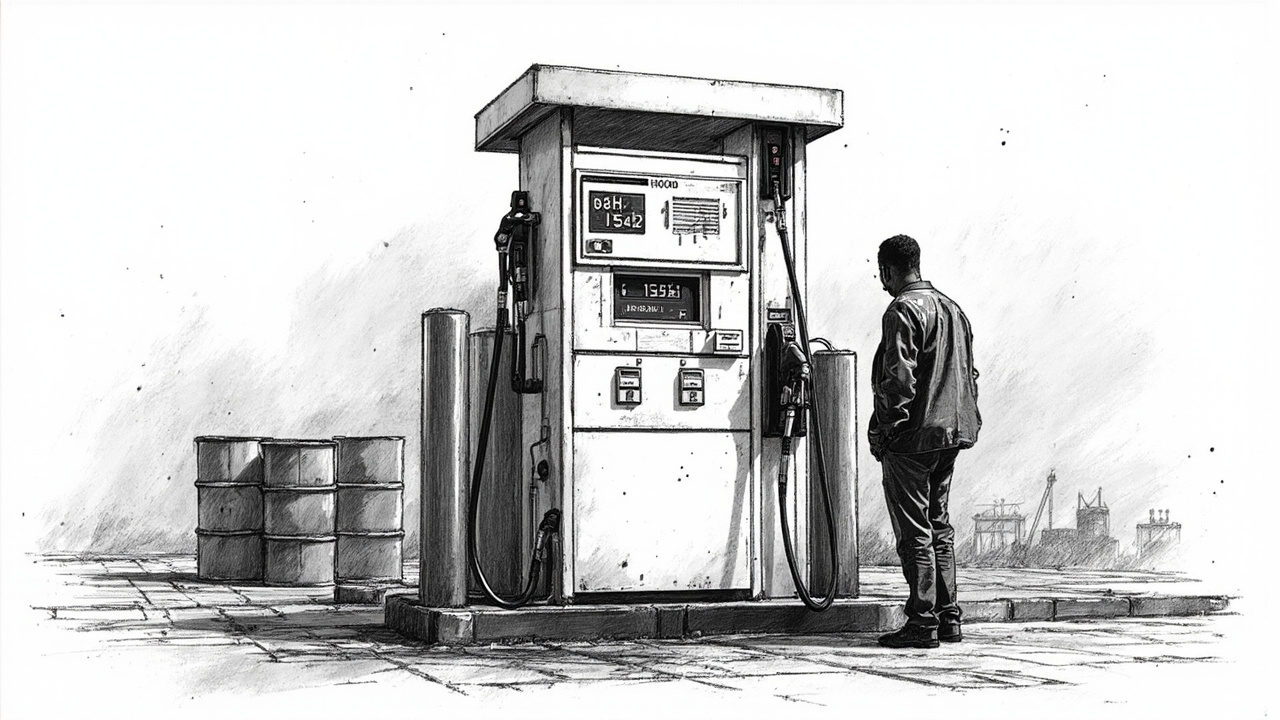
Government intervention can't stop the next pump price jump. Petrol is set to rise 5-7% from May 16, 2026, hitting GHC 15.42 per litre, according to the Chamber of Oil Marketing Companies. The extension of fuel support measures has not insulated consumers from global crude pressure or cedi weakness.
Subsidy arithmetic doesn't add up
Fuel prices have now risen for the fourth time in six months. Back in February 2026, they climbed for the third consecutive month, per Citinewsroom. That pattern tells investors this is structural, not a one-off blip. The government subsidises imported fuel by delaying pump price adjustments. But the cedi lost ground again in Q1 2026, making dollar-denominated imports more expensive. The gap between what the government pays and what it collects at the pump widens.
For bondholders, this is a fiscal leak. Every cedi spent on subsidy is a cedi not available for debt service. Bank of Ghana data has shown that the central bank's net domestic financing of the budget rose in 2026. If crude stays above $80, this subsidy extension will be a costly band-aid.
OMCs caught between pass-through and margin
Oil Marketing Companies (OMCs) have to pass higher costs to consumers or absorb them. Most will pass them on, that is what the 5-7% increase signals. But on the ground, demand elasticity is low: transport operators and households have no substitute for petrol in the short term. The risk for OMCs is that volume drops as consumers cut travel or switch to used cars with better mileage. Already, LPG adoption for cooking is rising, but that doesn't help petrol stations.
For digital payments, my usual lens, higher cash demand at the pump strains agent float management. Agents hold less idle cash when fuel prices are volatile. Dormant mobile money accounts can spike if customers drain wallets to buy fuel. KYC enforcement gaps make it hard to track the informal economy's shift in cash flow.
What this means for investors
Expect transport inflation to push headline CPI above 24% by June. The MPC will likely hold rates at 28% or even hike. That is good for cedi assets but bad for equities in consumer goods and retail. Importers of vehicles and machinery will face higher cost bases.
The blunt verdict: this subsidy strategy buys time but doesn't fix the underlying problem, a weak cedi and no domestic refining. The Tema refinery restart keeps getting delayed. Until that changes, every global crude rally will hit Ghana disproportionately.
The next move to watch: will the government cap pump prices by law, squeezing OMCs further? That would be a negative for listed fuel distributors if any were public. For now, the market is pricing in more pain ahead.