Markets
Ghana fuel price surge tests airline liquidity, demand

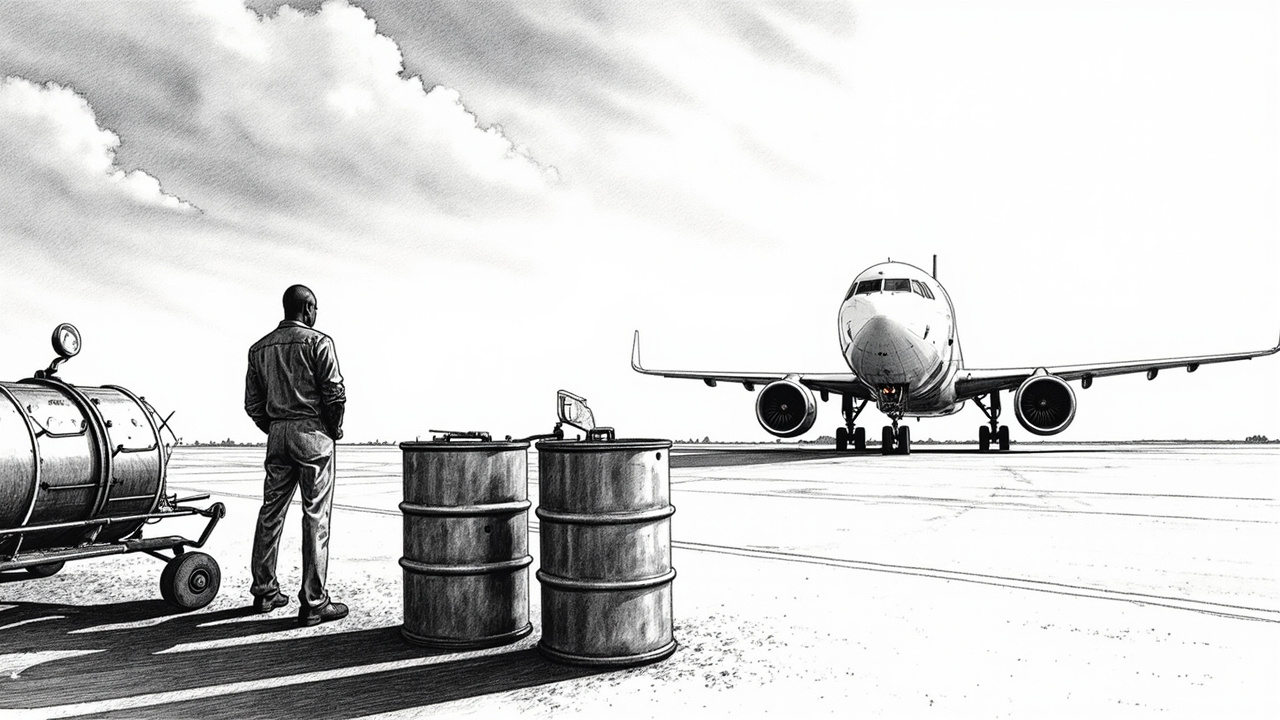
Ghana markets face a 24% spike in the lowest economy airfares. The war in the Middle East is a direct cause, but the crisis reveals a deeper vulnerability for African carriers. Jet fuel prices hit $205 per barrel in early April 2026, according to Reuters. For airlines in Ghana and across the continent, this is an existential cost problem.
The fuel cost disadvantage
African airlines allocate 30% to 40% of operating costs to jet fuel. The global average is 20% to 25%. This structural disadvantage means a dollar increase in fuel hits an Accra-based carrier twice as hard as one in Frankfurt. The government's tax cut on April 10 is a palliative, not a cure. It removes some levies to cushion consumers at the pump. It does nothing for aviation turbine fuel supplied at international prices. The National Petroleum Authority's (NPA) 15% minimum price floor hike in early April still stands for jet fuel.The liquidity crunch
The 24% fare increase risks a demand collapse. Previous IATA analysis shows African leisure travel demand falls 2% for every 1% fare increase in price-sensitive markets. A 24% fare jump could push many Ghanaians off planes and back onto buses. Airlines like Africa World Airlines and Passion Air now face a brutal equation: raise fares to cover costs and lose passengers, or absorb losses and burn through dwindling cash reserves. Their pricing power is weaker than global network carriers. A secondary crisis is coming. The International Energy Agency forecasts jet fuel shortages by June 2026 if supply chains cannot adapt. For an investor, this means looking beyond ticket revenue. Watch airline float management. Prepaid ticket sales are a critical source of working capital. If forward bookings dry up, that cash evaporates. Agents and aggregators dependent on commission income will see revenues slump.The policy conflict
The real signal is in the government's reaction. Cutting consumer fuel taxes while the NPA enforces higher wholesale prices shows a policy conflict. It aims to soothe public anger but ignores the corporate insolvency brewing in the hangars. Expect airline lobbying for direct jet fuel tax exemptions to intensify. Without that, Africa World Airlines will likely defer planned aircraft deliveries by Q3 2026 as forward bookings decline. The fare surge reveals a core truth: Ghana's aviation market lacks the scale to absorb global fuel shocks. Local carriers face consolidation or state intervention within 12 months.Companies Mentioned
Africa World AirlinesPassion Air
TOPICS
jet fuel costNational Petroleum Authorityaviation liquiditytravel demand elasticityfuel tax policyworking capitalIATA