BoG loss timeline: can Ghana's central bank break even?

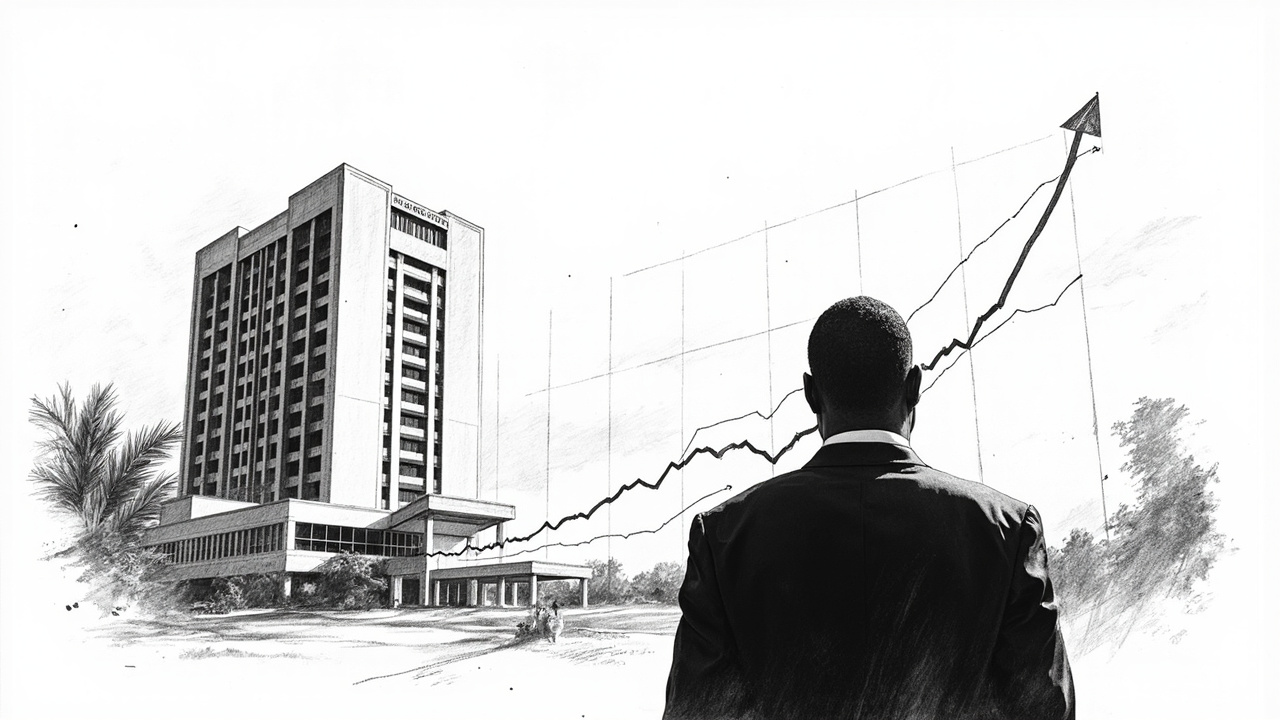
Professor Peter Quartey, a respected development economist, has expressed confidence that the Bank of Ghana (BoG) will curtail its losses within the next three years, projecting an improved financial outlook by the end of 2026. This forecast, reported by Ghana Business News, offers a potential turning point for the central bank, which has been grappling with sustained losses. However, the timeline demands cautious scrutiny from investors and policymakers alike.
Quartey's projection is grounded in expectations of fiscal discipline, stable interest rates, and restrained government borrowing—all volatile factors in Ghana's current economic environment. While his credentials as director of ISSER lend weight to the statement, the path to profitability is fraught with uncertainty. Central bank losses are typically tied to macroeconomic pressures, including exchange rate depreciation and the cost of monetary policy operations. Ghana's recent history of currency volatility and debt restructuring has compounded these challenges, though Quartey's outlook suggests a reversal is possible within the specified horizon.
The economist's confidence does not imply an immediate return to health. Achieving a cleaner balance sheet by 2026 requires sustained coordination between fiscal and monetary authorities. Any slippage—such as a premature return to international capital markets at high interest rates, or renewed pressure on the currency—could delay the recovery. Quartey's forecast represents a best-case scenario; the base case is likely slower, given the structural nature of the losses.
For investors, the key watchpoints are macroeconomic stability and policy consistency. If Ghana maintains its IMF programme discipline and avoids excessive borrowing, the BoG's losses should indeed narrow. However, the regional track record for central bank turnarounds is mixed. The real question is not whether the BoG can break even, but whether the conditions for sustained profitability can hold long enough. Quartey's three-year timeline is plausible but not guaranteed. Investors should monitor fiscal indicators, foreign exchange reserves, and the central bank's half-yearly financial statements for signs of progress. Until then, caution remains warranted.