BoG's integration push ignores agent network fragility

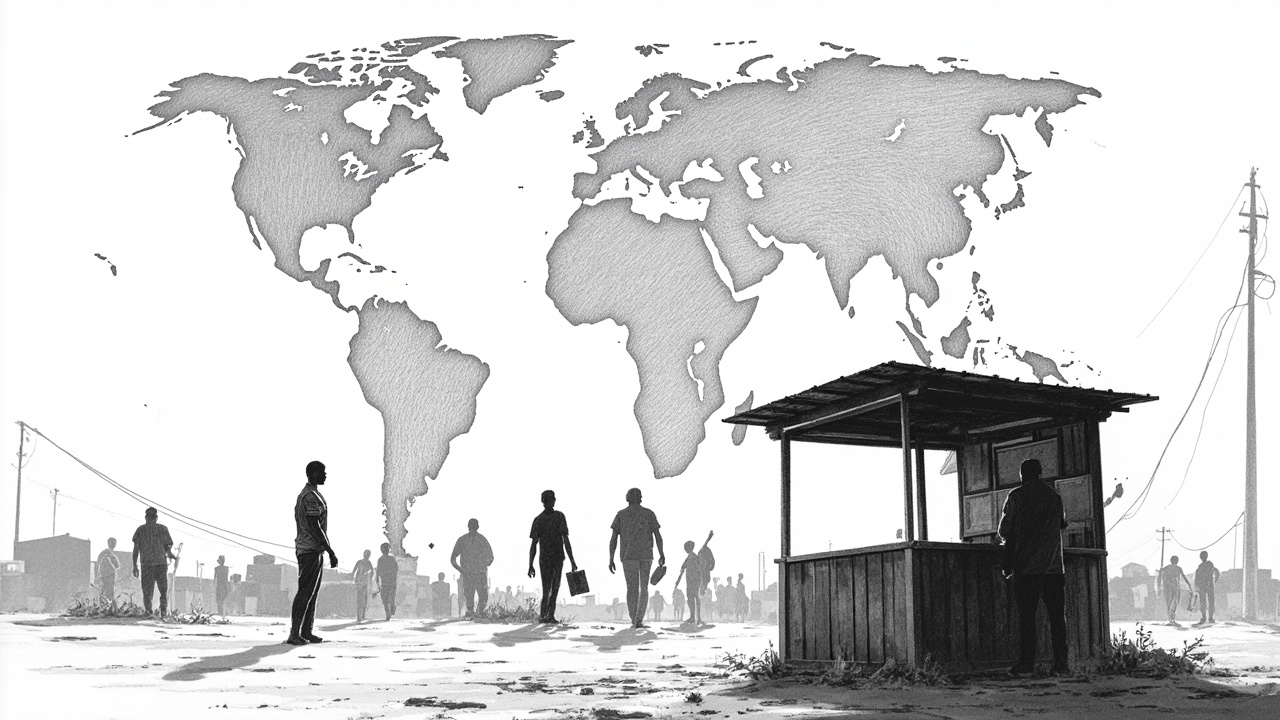
Bank of Ghana wants integrated African payment systems. Governor Asiama's keynote at the 3i Africa Summit 2026 made that clear (BoG speech). The vision is seamless cross-border payments for trade. But the domestic foundation has cracks.
The agent network strain
Ghana's mobile money interoperability system already moved 308 million cedis ($57 million) (same source). That volume sounds like success. But agents carry the liquidity risk. They hold cash and e-float on thin margins. Interoperability amplifies transaction demand without solving float management. Dormant accounts, untouched for months, lock up float agents cannot access. The gap between transaction growth and agent working capital is widening. This is the real bottleneck.
Regulatory gaps persist
Asiama called for coordinated pan-African digital finance rules (BFT report). Good idea. But Ghana's own KYC enforcement is patchy. Many agents operate with incomplete identity checks. If cross-border payments scale, these verification gaps become fraud vectors. The e-Cedi expansion into cross-border settlement adds another layer: digital currency float competes with mobile money agent float. Central bank pushes integration, but domestic regulatory capacity lags.
What this means for investors
Expect BoG to push ahead. The risk is that agent network fragility becomes the binding constraint. Investors in Ghanaian fintech should watch agent liquidity ratios and regulatory action on dormant accounts. Those betting on cross-border payment rails need to track KYC enforcement trends. Second-order effect: larger players with balance sheet depth absorb the strain; smaller agents get squeezed out.
Verdict: Integration is necessary. It is not sufficient.