Bank of Africa SME pledge faces Ghana's informal sector reality

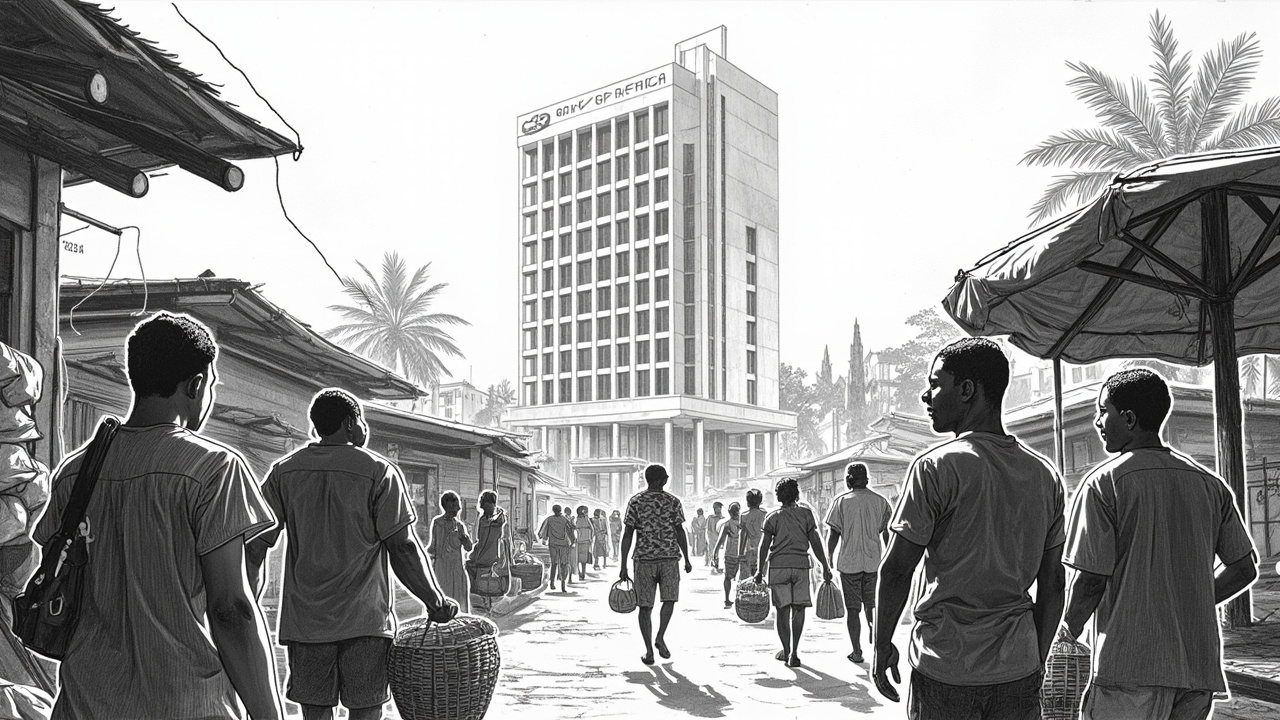
Bank of Africa's latest SME lending pledge sounds good. But check the fine print: most Ghanaian workers may not feel a thing.
Group CEO Amine Bouabid said the bank will scale up support for small and medium-sized enterprises to drive job creation across its African markets. He made the announcement during a visit to Ghana.
Sounds like a plan. But here is the disconnect.
Where the jobs actually are
A large share of employment in Ghana comes from the informal sector—street vendors, artisans, market traders. These are not the SMEs that walk into a Bank of Africa branch with audited accounts. They are micro-enterprises. Unregistered. No collateral. No credit score.
The bank's target is for underserved SMEs, formal or semi-formal businesses that still lack access to bank credit. That is useful. But it will barely touch the part of the economy that actually employs people.
Bouabid's announcement is honest as far as it goes. The bank wants to grow its SME portfolio. But job creation requires more than loans for existing small businesses. It requires reaching the informal operators who cannot produce a bank statement.
The regulatory squeeze
Banks face a structural problem: they cannot price risk in the informal sector because they lack data. A partnership with a development finance institution might help by providing a partial guarantee or risk-sharing. But the scale of lending, spread across multiple countries, is modest against an informal workforce of millions. The math does not add up.
The real risk is that these loans flow to the same formal SMEs that already have some banking relationship. Job creation will be incremental at best. The informal sector, where real employment growth happens, stays out of reach.
What the bank needs to do differently
If Bank of Africa wants to drive job creation in Ghana, it needs to go beyond traditional SME lending. Agent banking, mobile money integration, collateral-free microloans. These are the tools that reach the informal economy. The announced initiative is a start, but the scale may be wrong.
Expect limited impact unless the bank adapts its model. The next question is whether a regulatory push will force a change. So far, the incentives point toward the same old formula: formal SME loans, modest job numbers, and a press release.
Bouabid's visit to Accra was a photo op for a group-wide initiative. But for Ghana's job crisis, it is barely a footnote.
Blunt verdict: The bank's partnership will help a few thousand formal SMEs. The informal majority? They will keep waiting.