Adamus lease revocation tests Ghana mining contract stability

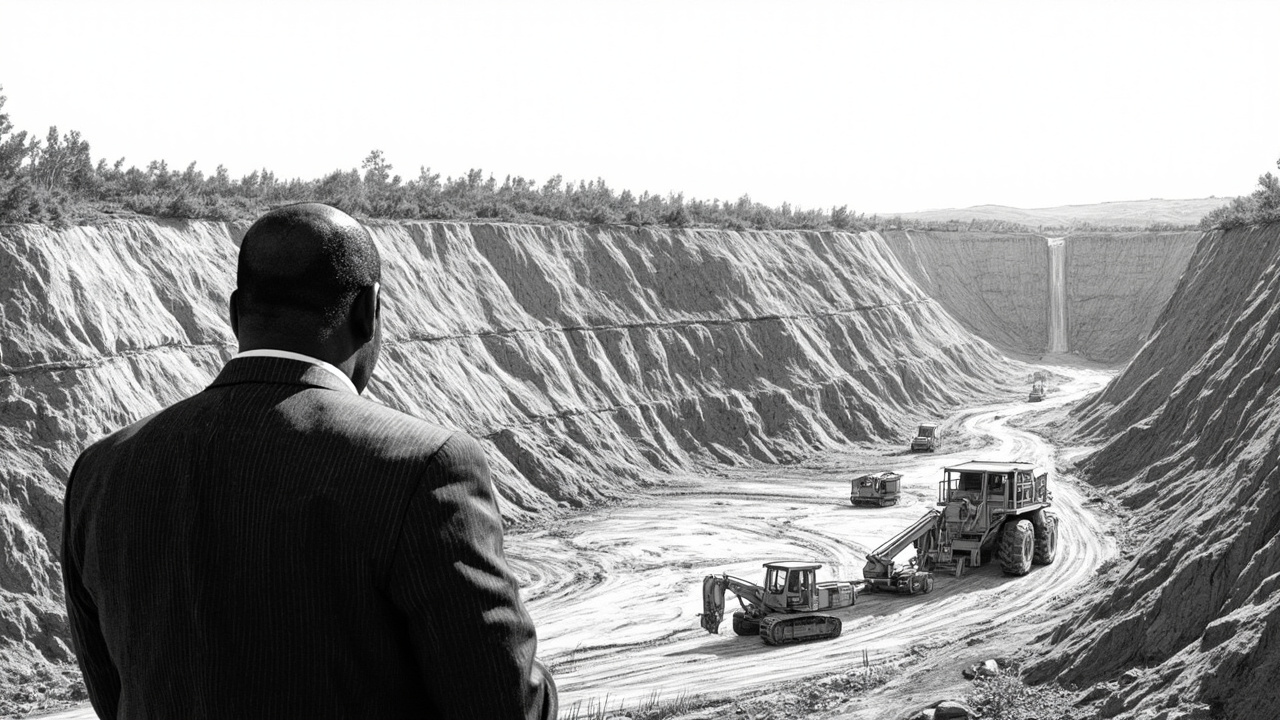
Ghana revoked Adamus Resources' mining leases on May 5, 2026, citing illegal operations and regulatory breaches, according to omanghana.com. CEO Angela List denies the allegations, calling them baseless. She claims the company submitted extensive documentary evidence of compliance. The core issue: the Lands Commission says Adamus ceded part of its concession to a foreign company for alluvial mining without ministerial approval, a practice the government labels galamsey.
The revocation is a signal to every mining operator in Ghana. The government is willing to pull contracts over third-party actions within concessions. Investors should ask: how much control over subcontractors is enough?
Galamsey: a political hot potato
Galamsey, illegal small-scale gold mining, contaminates 60% of Ghana’s fresh water sources, according to the Wilson Center. It also destroys cocoa farms, the backbone of Ghana’s second-largest export. The government has faced growing pressure to show enforcement is real. Targeting a large-scale operator like Adamus is politically convenient. It deflects criticism that only small-scale miners get punished. List's denial and her January 2024 letter to the Attorney General requesting intervention in litigation (per Modern Ghana) suggest this dispute has been brewing for years. The revocation may be the climax of a long-running regulatory tug-of-war.
Investor implications
Ghana has long positioned itself as a stable mining destination. This revocation chips away at that narrative. The risk is not that every operator will lose its lease, but that the government can nullify a contract without a court ruling, based on administrative findings. Foreign investors relying on bilateral investment treaties should watch how this case unfolds. If Adamus challenges the revocation through international arbitration, it could set a precedent for contract sanctity in Ghana. The second-order effect: other mining companies may face stricter scrutiny of their subcontractors, raising compliance costs. The quiet winner? Not artisanal miners. The government gains political capital, but the environmental and social damage from galamsey continues. Enact Africa notes that illegal mining destroys cocoa farms, undermining rural livelihoods. Pollution and production loss remain unsolved.
Expect the Adamus saga to run for months. The company may seek political intervention, arbitration, or a settlement. For now, the message to investors is clear: regulatory risk in Ghana’s mining sector just went up. Diversify exposure, tighten compliance vetting, and assume the government will hold operators responsible for what happens on their land, even without their knowledge.