Gambella Gold Surge Highlights Ethiopia's Payment Bottleneck

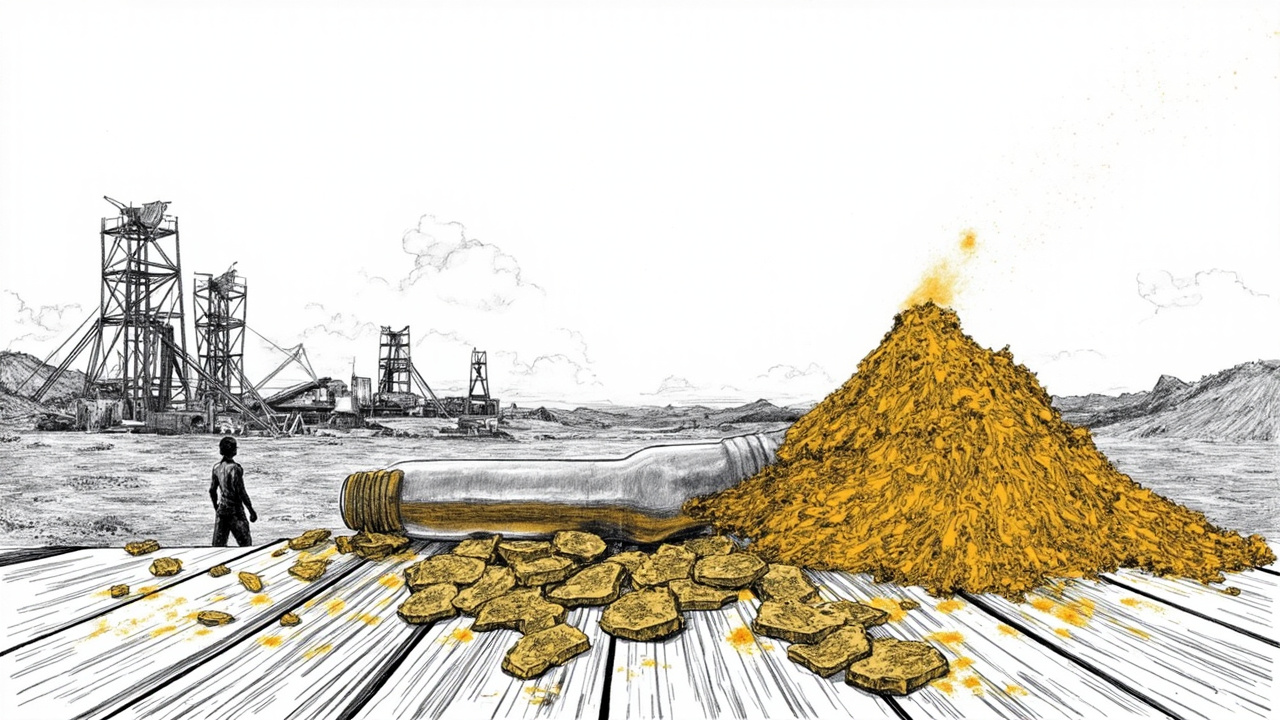
Gambella's 35% gold production spike exposes a system where miners win but wait for payment. The Ethiopian region submitted 4,488 kilograms of refined gold to the National Bank of Ethiopia in seven months, beating its target by 988 kilograms. This surge follows the 2025 opening of East Africa’s largest mercury-free gold processing plant in the region. Yet this output feeds into a bottleneck: the National Bank's monopoly on gold purchases for export. Miners now face payment delays stretching for weeks, according to one report. That wait risks project cash flow just as output expands. Ethiopia markets must solve this lag to convert mineral wealth into reliable investor returns.
the mercury-free processing advantage
Modern refining in Gambella removes a key environmental hurdle. The new facility processes gold without mercury, addressing health and pollution issues linked to basic extraction. This upgrade lets Ethiopia market a cleaner product to international buyers. It also likely explains part of the output jump, as more material meets central bank purity standards. But a cleaner supply chain only matters if the financial pipeline works. The state's purchase monopoly creates a single point of failure. Every extra kilogram of gold must navigate the same administrative queue at the National Bank.
the central bank payment delay
The real constraint is not geology but treasury operations. Reports note miners wait weeks for payment after delivering gold. For small-scale operators, that delay crushes working capital. It discourages further investment in exploration and equipment. The system effectively uses miners as involuntary financiers for the state's foreign reserves. This creates a perverse incentive: why produce more if you cannot get paid faster? The risk is that unofficial channels regain appeal, undermining formalization efforts. Ethiopia's gold ambitions depend on payment reliability as much as mine yields.
For investors, Gambella's success underscores a critical dependency. Ethiopia is landlocked, and its gold export corridor runs through the National Bank's balance sheet. Any administrative slowdown there strangles revenue. The second-order effect is on Ethiopia's trade balance. Gold is a key hard currency earner for a nation reliant on imports. Payment delays to miners could eventually constrain the central bank's own bullion accumulation, tightening foreign exchange reserves. Expect pressure to streamline the purchase process or allow limited direct exports. The quiet beneficiaries are logistics and fintech firms that could solve these payment and traceability gaps. The losers are miners trapped in a monopoly buyer's queue, even as they dig more gold.