Ethiopia's Nuclear Dream Meets Power Reality

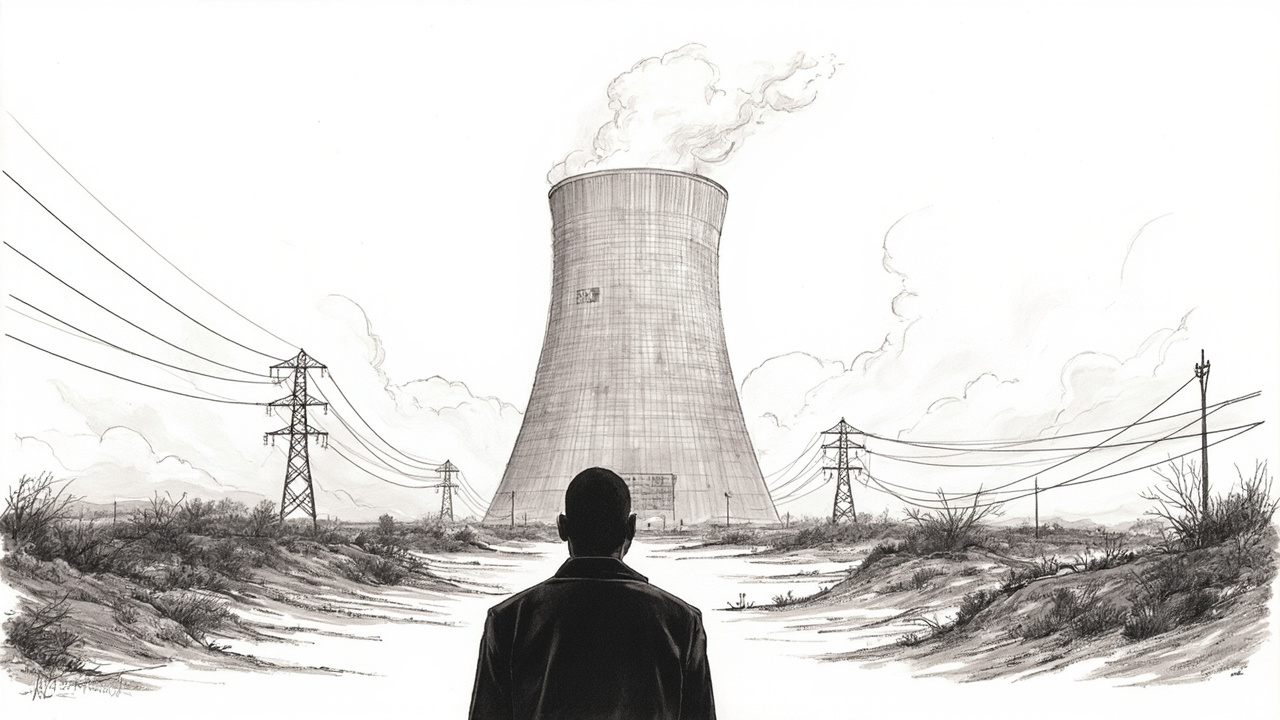
Nuclear is no quick fix for Africa's power gap
Claver Gatete, head of the UN Economic Commission for Africa, told the Nuclear Energy Innovation Summit in Kigali that Africa cannot industrialize in the dark. He called for nuclear energy to close the electricity gap. For investors watching Ethiopia, the speech collides with hard numbers.
Some 600 million Africans lack electricity. The continent generates less than 3% of global electricity despite having 17% of the world's population, per Africa Renewal. Ethiopia is classified as a Tier 2 nuclear nation by the Nuclear Business Platform. It has expressed interest but lacks infrastructure, financing, and regulatory maturity. The country aims for a 2036 operational reactor, according to NEI Magazine. That is a decade away.
In that time Ethiopia could double its hydro and geothermal capacity using existing technology. Nuclear plants take 10 to 15 years to build even in experienced countries. Ethiopia has none. IAEA support does not shorten timelines or solve financing.
Financing realities and cheaper alternatives
The ministerial roundtable on nuclear financing in Kigali focused on blended finance, sovereign guarantees, and Development Finance Institutions. Missing: Ethiopia's sovereign credit risk. The country is still recovering from debt restructuring and a civil conflict. International lenders will demand premium pricing, if they lend at all. A 1 GW nuclear plant costs $5 to $8 billion, half of Ethiopia's annual exports. Without a clear revenue stream from power sales, the math fails.
Renewable alternatives are cheaper and faster. Ethiopia has the second-largest hydropower potential in Africa, yet transmission losses and grid unreliability remain unsolved. Adding nuclear baseload to a weak grid risks curtailment. The nuclear push diverts attention from the more prosaic problem: transmission infrastructure and utility reform.
AfCFTA industrialisation needs power now
Gatete linked nuclear power to the African Continental Free Trade Area. Regional value chains need reliable electricity. But nuclear is a centralised, high-capital solution. AfCFTA gains will come from distributed manufacturing and logistics, powered by solar and battery storage with gas backup. Rwanda, host of the summit, is already proving that with gas-to-power projects.
Ethiopia's industrial parks (Hawassa, Bole Lemi, Kilinto) need power now, not in 2036. Manufacturers report voltage fluctuations and periodic outages. A nuclear reactor will not help them. The risk is that policymakers treat nuclear as a silver bullet and underinvest in the incremental fixes that would unlock industrialisation today.
The second-order effect: export-oriented reactor vendors gain orders while the IAEA expands technical cooperation. Local utilities secure O&M contracts. The losers are Ethiopian taxpayers who will shoulder the debt and investors in export-oriented manufacturing who wait another decade for reliable power.
Expect delays, cost overruns, and a nuclear debate that consumes bandwidth better spent on grid reform and renewable auctions. Gatete's rhetoric is aspirational. Investors should price in a 10 to 15 year horizon before nuclear moves the needle on Ethiopia's electricity access.
The blunt verdict: nuclear is a high-cost, long-shot bet for a country that needs solutions today.