Ethiopia's $1.5B Landlocked Tax Drains Consumer Purchasing Power

The hidden cost of geography
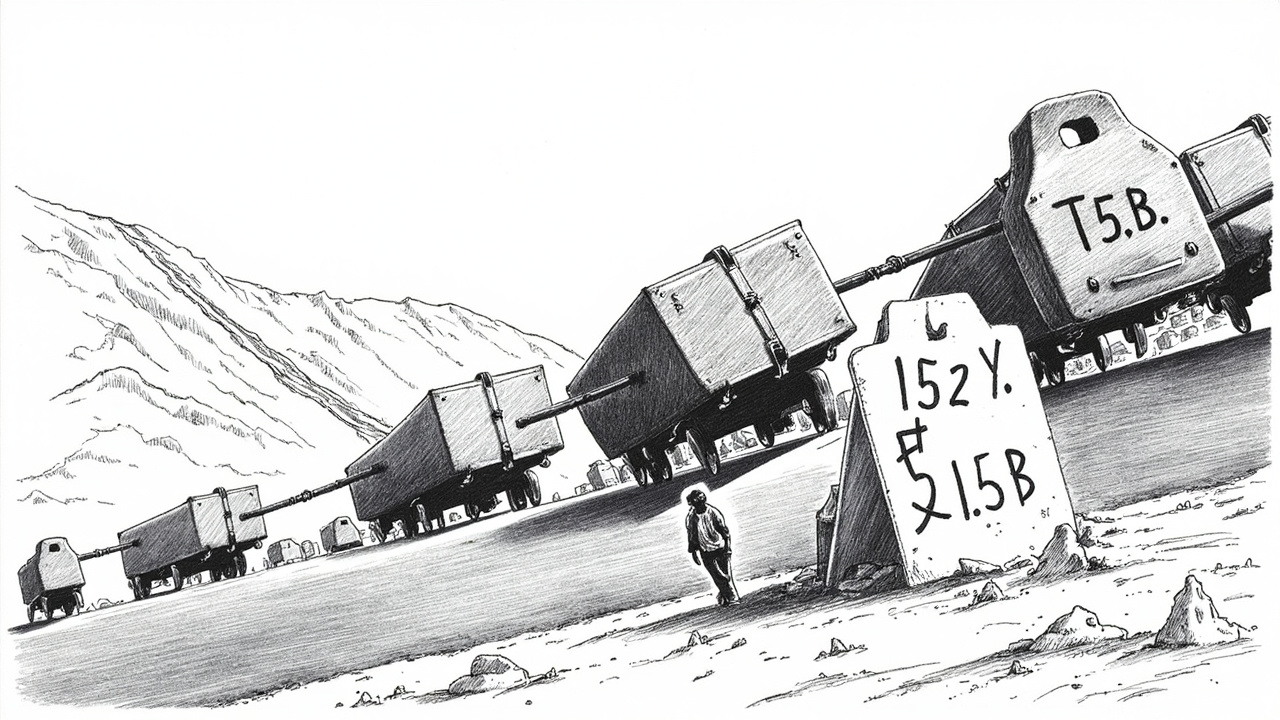
Ethiopia markets face a brutal arithmetic problem: every imported commodity carries a permanent 15.2% tax that has nothing to do with government policy. This is the cost of being landlocked since Eritrea's independence in 1993.
The numbers are stark. Ethiopia pays an estimated $1.5 billion annually for the privilege of using Djibouti's ports. That breaks down to 12.2% in direct port fees plus another 3% lost to delays, damaged goods, and logistical inefficiencies, according to government trade analysis.
For Africa's second most populous country, this isn't just a trade statistic. It's a consumer tax that hits wheat and maize flour, among the country's most traded commodities, before they reach local markets. The Ethiopian Revenues and Customs Authority (ERCA) processes these inflated costs as standard import valuations, embedding geographic disadvantage into official pricing.
Djibouti's quiet monopoly creates AfCFTA risks
The real winner here isn't obvious from commodity price headlines. Djibouti operates what amounts to a geographic monopoly over Ethiopia's $31 billion economy. Every container, every grain shipment, every manufactured import flows through ports that Ethiopia cannot control.
This dependency creates risks that extend beyond economics. When regional tensions flare or Djibouti faces its own political pressures, Ethiopia's supply chains become collateral damage. The government's sea access strategy acknowledges this vulnerability but offers few realistic alternatives.
Ethiopia's 6.1% average annual GDP growth over the past decade gets systematically undermined by logistics costs that competitors with coastal access simply don't face. Each percentage point of GDP growth translates to roughly $3.1 billion in economic activity - meaning logistics inefficiencies consume nearly half a year's worth of growth annually.
Here's where continental integration promises meet geographic reality. The African Continental Free Trade Area talks about reducing trade barriers, but it cannot solve Ethiopia's fundamental problem: being trapped in a "geographic prison" with little hope of regaining direct sea access.
While other African countries negotiate tariff reductions and customs harmonization, Ethiopia faces a structural disadvantage that no trade agreement can eliminate. The Ethiopian Investment Commission (EIC) promotes manufacturing zones, but even perfect roads and railways cannot change the fact that every international transaction must cross at least one border.
This creates a two-tier system within AfCFTA: coastal economies that can compete on global terms, and landlocked countries like Ethiopia that pay a permanent geographic tax on integration.
Investment implications
For investors, Ethiopia's commodity price premium signals broader risks in landlocked African markets. The $1.5 billion annual drain on Ethiopia's economy represents purchasing power that never reaches consumers, growth that never materializes, and competitiveness that erodes with every shipment.
Expect this dynamic to worsen as global supply chains face continued disruption. Ethiopia's dependence on Djibouti creates a single point of failure that sophisticated investors should price into any Ethiopian exposure.
The government's pursuit of alternative sea access remains more aspiration than strategy. Until that changes, Ethiopian consumers will keep paying the world's most expensive geography tax.