Ethiopia's Khat Export Trade Undersold by Double Taxation

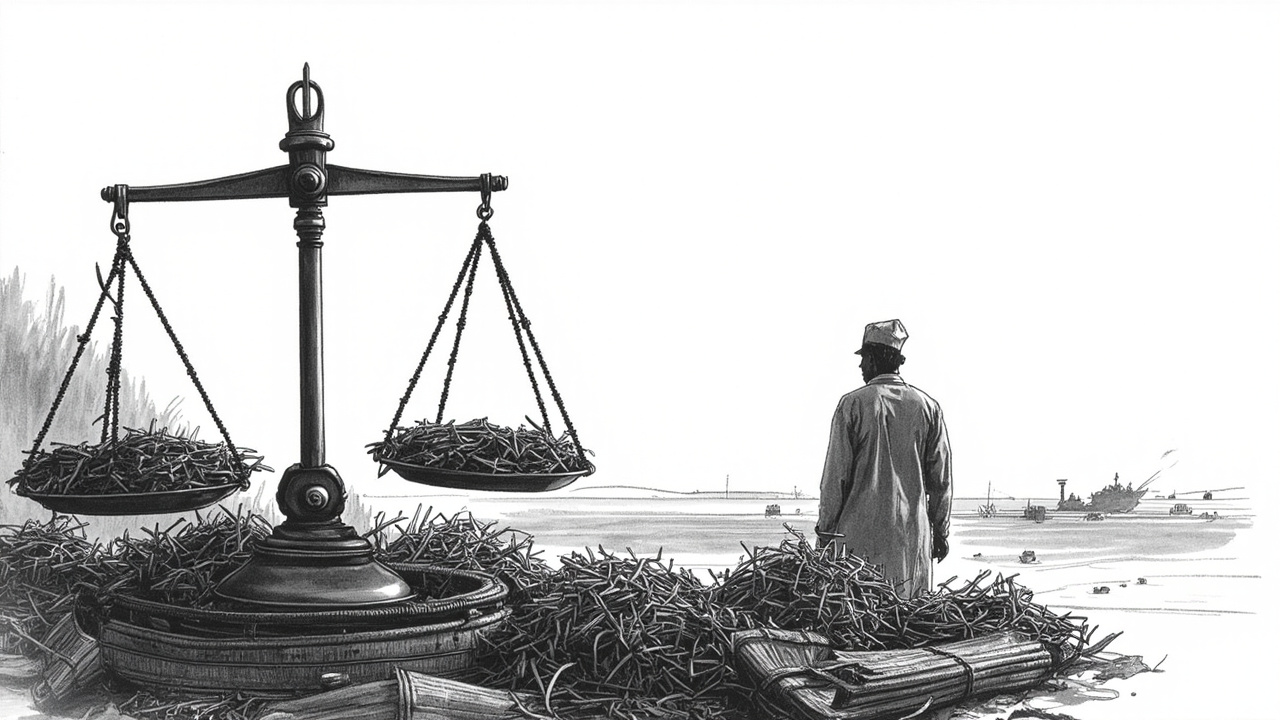
Ethiopia's Ministry of Trade told Parliament this week that contraband and regional taxes are gutting khat and oilseed export earnings. This is not a revenue headache. It is a systemic failure of federal governance that erodes hard currency reserves and investor confidence. The official report of a record $6.7 billion in eight-month export revenue hides a leaking bucket. For investors, the real story is a tax policy that actively pushes its most lucrative cash crop into the shadows.
The formal market is in decline
Khat export revenue peaked at $402 million two years ago. It fell to $391 million last year and then collapsed to $248 million in 2026 according to The Reporter Magazines. That is a 38% drop over two years. The formal, taxable trade channel is shrinking while the overall market likely holds steady, diverted underground. When a government cannot effectively price its own exports, it loses control of its revenue base.
Federal versus regional control drives leakage
The core failure is a misaligned incentive structure. Regional administrations levy their own taxes on top of federal charges. This double taxation, explicitly cited by the Ministry per The Reporter Ethiopia, makes legal export uncompetitive. Smugglers operate with a lower cost base and undercut compliant traders. Add a diplomatic feud with key transit neighbors, and you have a perfect recipe for contraband according to Wardheer News. The federal government's inability to harmonize fiscal policy with its own regions is the primary business risk.
Investor takeaway: watch the birr and broader sectors
The immediate casualty is Ethiopia's foreign exchange position. Khat is a major source of USD for the National Bank of Ethiopia (NBE). Less formal export means fewer dollars to defend the birr. A weaker currency raises import costs and inflation, hitting corporate margins across the economy. The second-order effect is regulatory: if Addis Ababa cannot fix this for khat, expect similar fissures in coffee, oilseeds, or horticulture. Investors in Ethiopian export sectors must now price in the risk of rogue regional taxation and supply chain opacity. The government's solution will test its authority. A crackdown on smugglers without tax harmonization is a band-aid. Real reform requires ceding control or revenue share to the regions, a political minefield. Until then, the underground economy wins.