Ethiopia Trust Fund Gambit Masks Deeper Education Finance Crisis

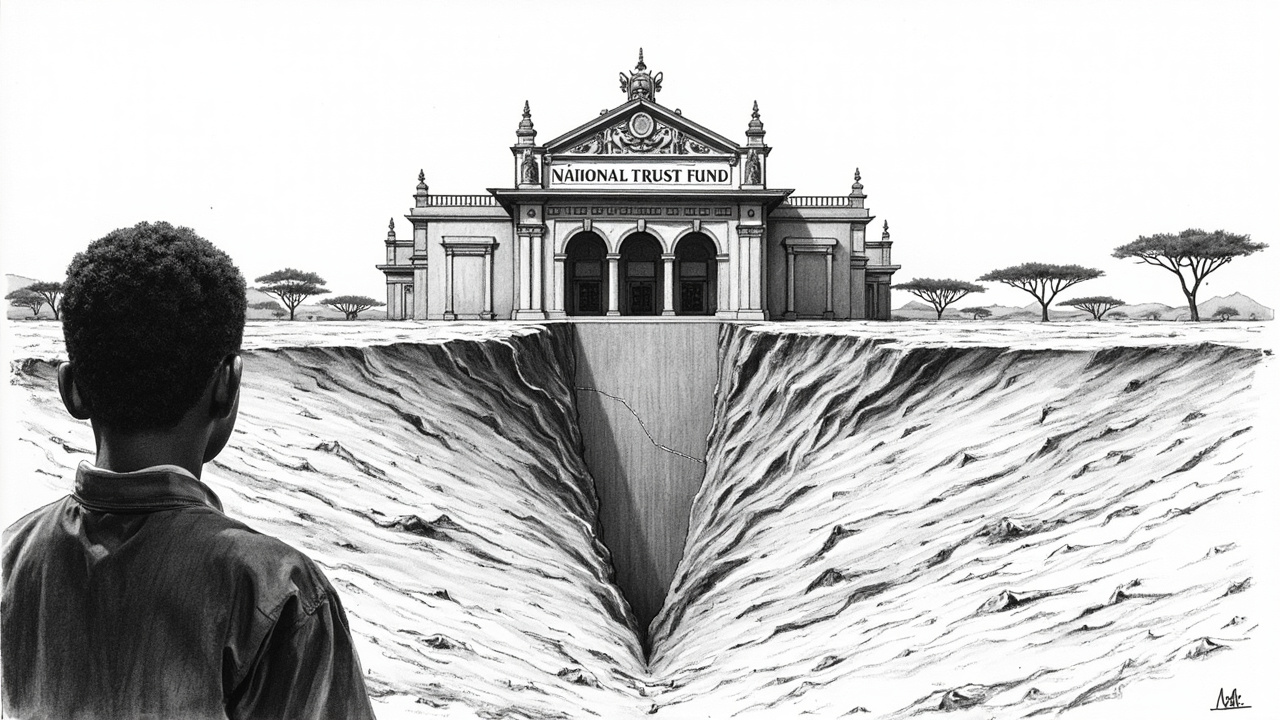
Trust fund mechanics hide structural problems
Ethiopia's proposed National Trust Fund (NTF) for education finance looks like a policy fix. It's actually an admission that the government can't fund basic services. Education spending collapsed from 4.5% of GDP to 2.2% between 2014 and 2023, a dramatic decline that no trust fund can paper over.
The mechanics matter for Ethiopia markets. Trust funds create parallel financing structures that bypass normal budget processes. This appeals to donors who want ring-fenced spending, but it fragments fiscal management. Prof. Berhanu Nega's Ministry of Education is essentially building a subscription model for public services — pay into the fund, get education outcomes.
The World Bank's 2022 analysis examined "sustainability" concerns in current institutional arrangements. Translation: the existing system is broke. The NTF proposal confirms this diagnosis while avoiding the hard question of why regular budget allocations keep shrinking.
Data gaps create accountability vacuum, subscription model hits reality
Here's the platform lock-in risk nobody mentions. Minister Nega acknowledged "lack of accurate data" as a sector-wide challenge, according to education sector reports. You can't manage what you can't measure. A trust fund without baseline metrics becomes a black box for donor money.
The World Bank already pumped substantial additional financing into the General Education Quality Improvement Program, with Denmark adding significant funding to the multi-donor trust fund. More money flowing through opaque channels while core budget allocations decline. This creates dependency on external funding streams that donors can withdraw.
The NTF model assumes sustained funding flows from government, donors, and potentially private sources. But Ethiopia's fiscal position is deteriorating. The sharp decline in sectoral spending as a share of GDP happened during a period when the economy was supposedly growing. SME participation becomes questionable when businesses face forex shortages and inflation pressure.
Implementation challenges expose structural weaknesses
The federal authorities' strategy document reveals the scope of financial deficits plaguing the education sector. These aren't temporary funding gaps that creative financing can solve. They represent systematic underinvestment in human capital development during a critical period for Ethiopia's economic transformation.
Trust funds work when they supplement robust public financing, not when they replace it. The NTF proposal essentially outsources education finance to donor coordination mechanisms. This might stabilize funding flows in the short term, but it creates long-term dependency on external decision-making processes.
Donor fatigue is real, especially when recipient governments reduce their own contributions. The education spending trajectory from 4.5% to 2.2% of GDP signals declining political priority for the sector. External funders notice these trends and adjust their commitment levels accordingly.
Market implications beyond education sector
The NTF proposal reflects broader fiscal management challenges that affect investor confidence. When governments can't fund basic services through normal budget processes, it raises questions about debt sustainability and revenue generation capacity. Education underfunding today means skills shortages tomorrow, constraining economic growth potential.
Private sector engagement in the trust fund could create opportunities for education technology companies and training providers. But the underlying fiscal weakness limits the government's ability to honor long-term commitments or provide matching funds that make private investment viable.
The real fix nobody wants to discuss
Ethiopia needs higher tax collection and better spending efficiency, not another financing vehicle. The NTF proposal avoids confronting why MoE budget allocations keep falling. Political priorities shifted elsewhere, and a trust fund provides cover for continued neglect of core budget responsibilities.
Investors should watch implementation capacity rather than launch announcements. Trust funds require sophisticated financial management that many African governments lack. The risk is donor money disappearing into institutional gaps while outcomes remain flat.
The NTF will likely launch with considerable fanfare and initial donor commitments, but sustaining funding flows requires addressing the structural issues that created the crisis. Trust funds sound permanent but depend on annual appropriations and donor renewal cycles that can shift with changing political priorities.